Newsletter
Newsletter Support JNS

Eyal Zisser

Eyal Zisser is a lecturer in the Middle East History Department at Tel Aviv University.

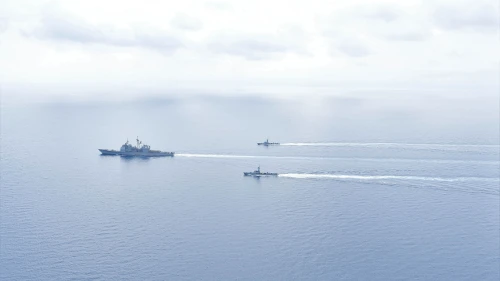
The seas are becoming another sphere in which Israel must spare no effort to halt Iran’s efforts to increase its regional foothold.
Despite what some Israeli pundits would have us believe about the Abraham Accords, ultimately, all of our neighbors in the region recognize the benefits of peace with Israel.
Ultimately, they’ll find themselves alone against Israel and must choose whether to continue expecting someone else to do their job for them.
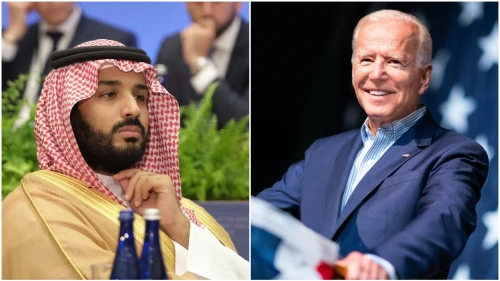
Washington faces a hard choice: Side with longtime ally Saudi Arabia and try to get it to change its ways, or with Iran, the sworn enemy of all that America stands for.
As always, Israel’s strength isn’t just a matter of military and scientific might.
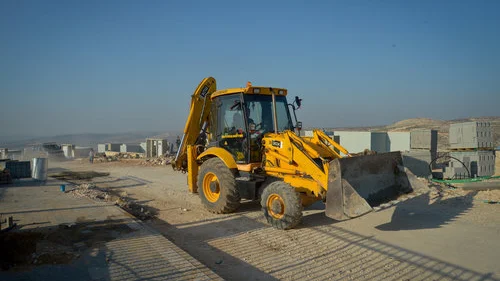
We must not wait for the international community to approve construction in Judea and Samaria. That will come once Israel has established the facts on the ground.
The sooner the West stops trying to promote a vision of democracy no one in the Middle East is interested in and the region is not ready for, the better.
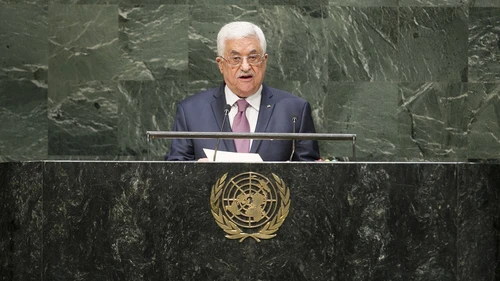
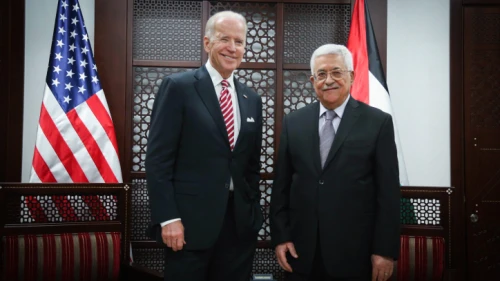
Whether or not P.A. leader Mahmoud Abbas’s announcement of the first Palestinian elections in more than a decade was intended for the incoming U.S. administration, it poses a problem for Israel.
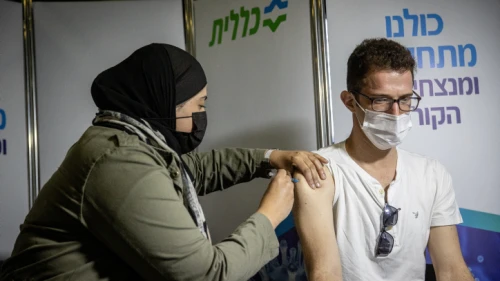
Beyond scoring Israel diplomatic points, a campaign to vaccinate Palestinians in Judea, Samaria and possibly the Gaza Strip would make it clear that Israel remains the sovereign on the ground.
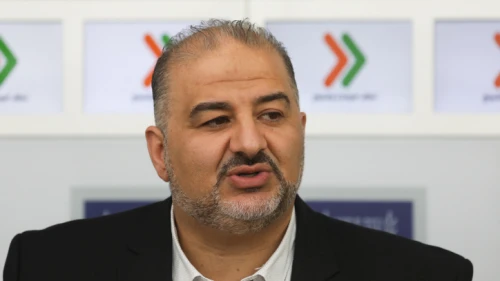
While across the Middle East Israel’s allies chase off and ban Islamic movements, Israel is missing an opportunity that could soon slip through its fingers.
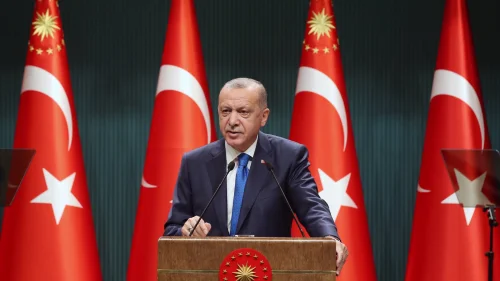
Although Erdoğan will never be a true friend, Israel shouldn’t ignore Turkey’s outstretched hand.
The right is reveling in this new friendship, though it is ignoring the ramifications of joining forces with an Islamic movement currently displaying signs of moderation.