Newsletter
Newsletter Support JNS
Hillel Frisch

Hillel Frisch

Hillel Frisch is a professor of political studies and Middle East studies at Bar-Ilan University and an expert on the Arab world at The Jerusalem Institute for Strategy and Security.

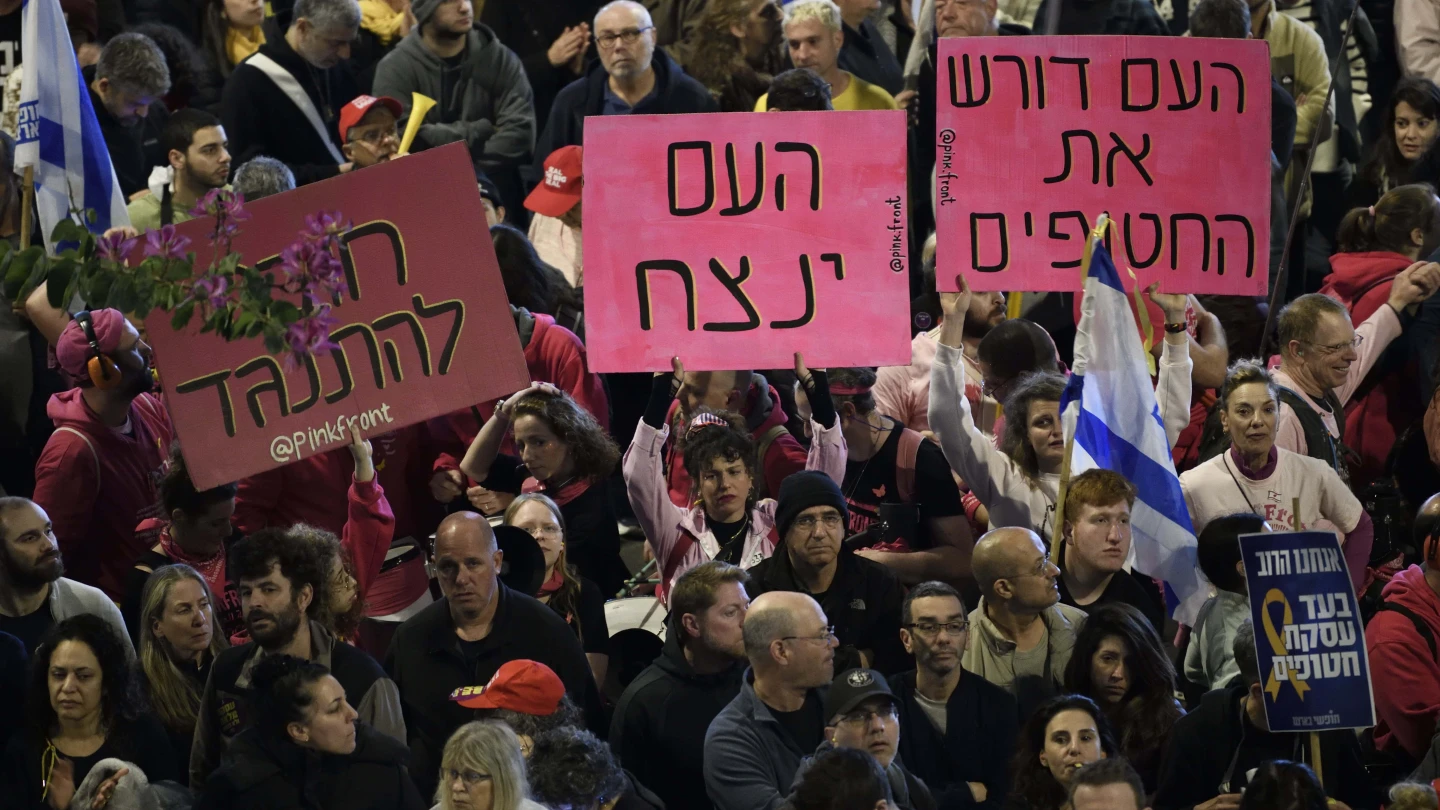
Moving on to the final stage of the hostage agreement will validate the path of jihad among Palestinians and the wider Muslim world, replenish Hamas’s leadership structure and impose significant long-term military and economic costs on Israel.
For many years, General Assembly Resolution 181 was the document the Palestinians cited most frequently to buttress two of their major claims. They no longer do so because the document stipulates for the creation of a Jewish state, as emphasized by the nationality law they now decry.
A simple analysis of pertinent basic data that appears in the Shin Bet’s terrorist summary for the year 2006 alone shows that the idea of West Bank withdrawal, which would imply the cessation of IDF activity in the area, could be misguided and dangerous.
Israel could be the major beneficiary of a new order based on states and state actors minding their own business except for cross-border commerce that would augment regional stability.
Ever since the 1982 Lebanon War, the Israeli leadership has repeated the mantra that non-involvement in foreign battlefields is better than engagement. But no rule applies to all situations.
The easing of economic conditions, a strategy that benefited Palestinian areas in the West Bank, is touted as a way to achieve political stability in a Gaza ruled by Hamas. But this strategy only works after the enemy is defeated.
Instability might have its virtues; the more unstable the situation, the more palatable a federation between Jordan and the Palestinian Authority will become.
Diplomats who serve in Tehran frequently claim that Israel and the Palestinians are marginal to Iranian concerns. They are correct about the Iranian public and wrong about the leadership.
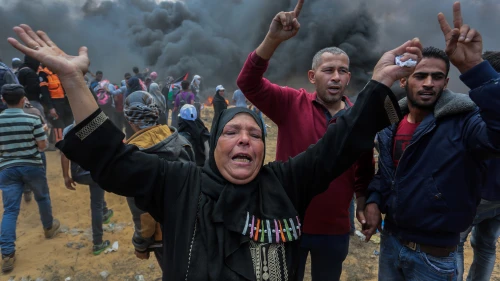
The real test of Hamas’s “March of Return” campaign in Gaza lies in its ability to mobilize mass violence in Jerusalem, Ramallah, Bethlehem, Hebron and other parts of the West Bank. So far, most of the Arab inhabitants of those areas are content to watch the events on their screens rather than take to the streets.