Europe’s largest gas pipeline group, Snam, announced that it had purchased a 25 percent stake in the East Mediterranean Gas Company (EMG), which owns a pipeline delivering Israel-based natural gas to Egypt, Reuters reported on Thursday.
The 90-kilometer-long (56-mile-long) pipeline, which stretches from Ashkelon on the southern Israeli coast to Al-Arish in Egypt’s receiving terminal in the Sinai Peninsula, is dubbed the “peace gas pipeline.” It forms one of the major energy arteries for Egypt, noted the report.
“Snam said it paid around $50 million for the stake, which it took over from Thai energy company PTT Energy Resources Co,” said the report.
It noted that Israel’s Delek Drilling company and the major American Chevron Corp company both have equity investments in EMG’s top shareholder, EMED.
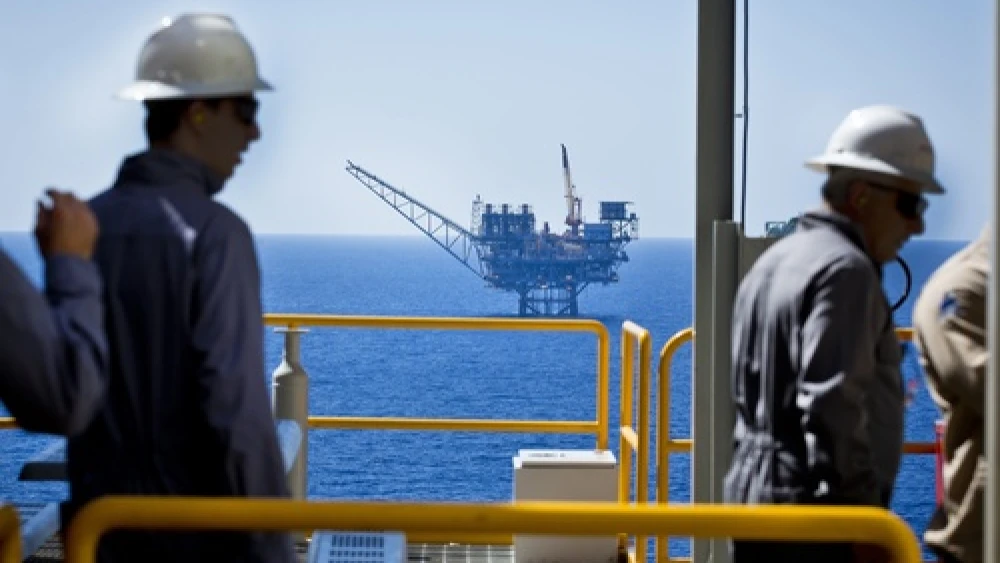
In April this year, Delek Drilling sold its share of the Tamar gas field in Israel’s Exclusive Economic Zone waters to an Abu Dhabi-based company.
In January 2020, Israel began its natural-gas exports to Egypt, marking the implementation of a landmark deal and one of the most significant developments since the 1979 peace treaty between the two states.
According to the terms of the deal, Dolphinus Holdings—a private firm in Egypt—will buy 85 billion cubic meters of gas, worth an estimated $19.5 billion, from Israel’s Leviathan and Tamar offshore fields in the Mediterranean Sea over a period of 15 years, Reuters noted at the time.