


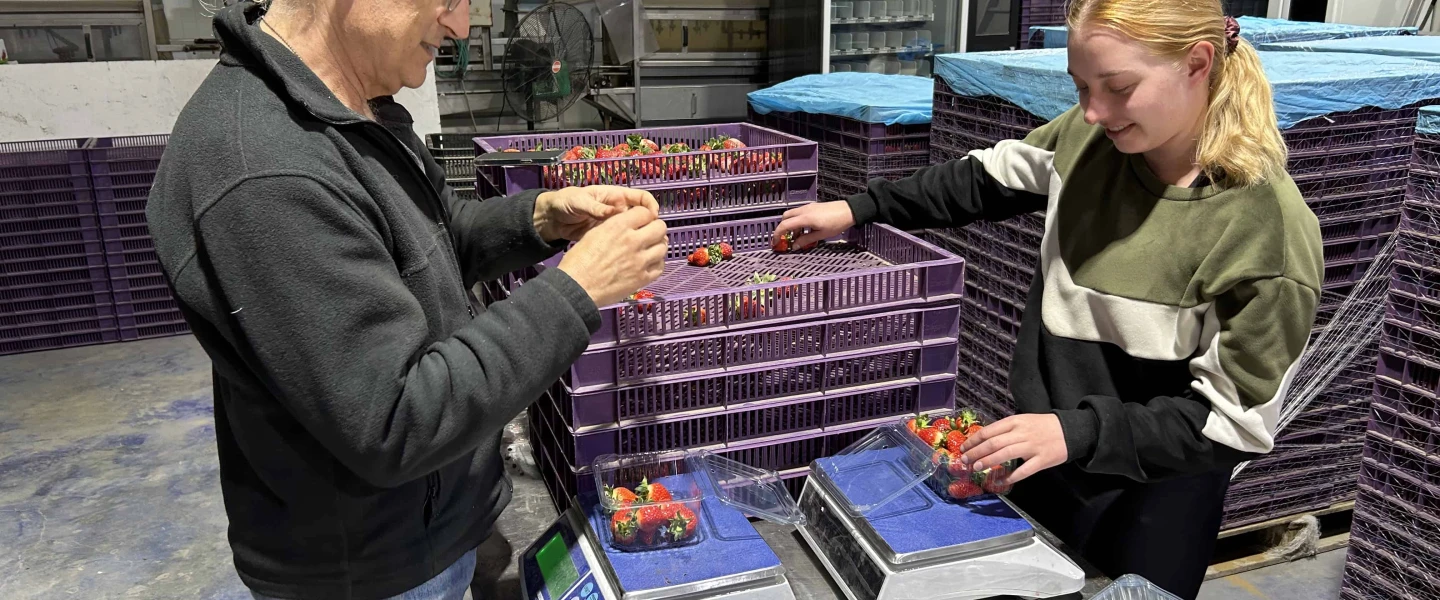
Nobody really knows exactly how many volunteers from abroad have come to help in Israel since Oct. 7. But one enterprising Jewish mortgage loan officer from Teaneck, N.J., has so far sent more than 250 people from all over the world to volunteer on a moshav on the Gaza-Egypt border that he’s never seen.
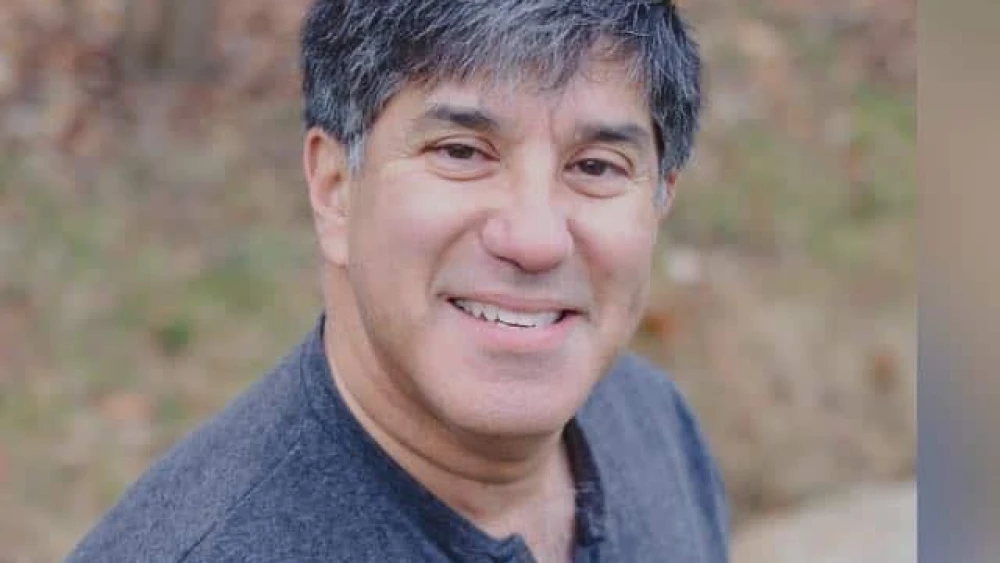
David Siegel, 66, is the point man who connects the beleaguered farmers of Bnei Netzarim with those overseas eager to lend a hand.
Hamas terrorists did not reach Bnei Netzarim on Oct. 7, but their missiles did. Several greenhouses took direct hits and the electrical system was damaged, causing the sophisticated irrigation system to go down. Almost all the Thai and Nepalese workers employed at the moshav left after dozens of foreign workers in neighboring communities were killed or taken hostage.
Farmers struggled to save as much of their crops as possible, but the damage and the lack of labor left tons of produce withering and rotting.
Siegel came to Israel in late October to volunteer on an army base, a trip planned before Oct. 7. During his trip, he tried to find other places to make a meaningful contribution, but at that early stage of the war, he had difficulty making connections with the right people and places.
Siegel is vague about how he came to know about Bnei Netzarim. He told JNS that while in Israel, he connected online with a fellow Teaneck resident who divides her time between New Jersey and Jerusalem, and who had access to some volunteer opportunities.
“We started a WhatsApp group to try to connect volunteers with needs. At some point, a travel agent contacted us and told us about Bnei Netzarim. I can’t really tell you how I got to Netzarim,” he reflected. “When I got back from Israel, we just decided to try and send people there.”
By word of mouth, the Netzarim Brigade WhatsApp group has grown to more than 630 members. Siegel, who says he didn’t even know about WhatsApp until Oct. 8, now juggles three large groups online, where he keeps track of the dozens of inquiries and organizes the volunteers into weekly groups.
The draw of Bnei Netzarim is that the religious moshav has a dormitory building that’s normally used for visiting study and youth groups. During the war, 25 beds remain empty and can be used to accommodate volunteers.

Bnei Netzarim, a community of around 1,000 people, is a two-hour bus ride from either Tel Aviv or Jerusalem, so the opportunity to stay on-site with board and lodging provided between Sunday and Thursday made it an attractive opportunity for many volunteers.
In the beginning, explained Siegel, there was grant funding that covered the cost of food and laundry for the volunteers, but that has since run out and there’s now a suggested donation of $38 per day.
For Stuart Bogom, a retired IT professional from Philadelphia, having a place to stay made it easy to decide to spend his month of volunteer time at Bnei Netzarim.
“Because of the accommodation I don’t have to spend hours on the bus and to plan each day. I can come for a week and Nahshon, the moshav liaison, can tell me what to do, feed me, and I go to sleep at night,” he said.
According to Siegel, anyone at least 16 years old and willing to roll up their sleeves and work is welcome. Jews and non-Jews have come from all over the world. “But one group that we don’t want is my spoiled friends who need to sleep at the Inbal Hotel [A luxury Jerusalem hotel]. I tell them you shouldn’t come; we don’t need complainers,” he stressed.
Siegel told JNS that he currently spends about five hours per day on Bnei Netzarim coordination, “but that includes the hours between 3:00-5:00 a.m., so it’s not that much of an interruption in my day.”
Siegel said he is driven by the sense that he had missed out on taking part in the great events of the past hundred years that shaped Jewish history. “I read ‘The Settlers,’ and ‘O Jerusalem,’ and I always felt as if I missed out. I wasn’t around 100 years ago to be a chalutz [pioneer], I wasn’t around during the War of Independence to fight for the country. Now I figured they need you, just go there!”
Bogum, who is in Israel for his second stint of volunteering since the start of the war, expressed similar sentiments.
“I feel like I’m making a contribution, as small as it is, working with the farmers who need the hands-on help but also to be with Israelis who feel so isolated right now,” he said.
“It’s so hard to be back in the United States and read the craziness there and in the rest of the world, and not be able to do anything about it. Here I can come and do something concrete, so my mental health is so much better,” he added.
Siegel will finally get to see the moshav and meet some of the people he’s sent to help out when he arrives just before Purim for another round of volunteering.
Yair Ziv, who helped found the moshav after he and his community had to find new homes in the wake of the 2005 Gaza disengagement, takes visitors around the revitalized greenhouses.
“Dozens of volunteers came here and worked patiently day after day without a break. Look how they revived this area of damaged cucumbers in the hothouse. Just wow!” he exclaimed.


