Israeli Prime Minister Benjamin Netanyahu called his Belgian counterpart a “weak leader” on Wednesday, following the Belgian foreign minister’s announcement of sanctions against Israelis and approval for recognizing a Palestinian state.
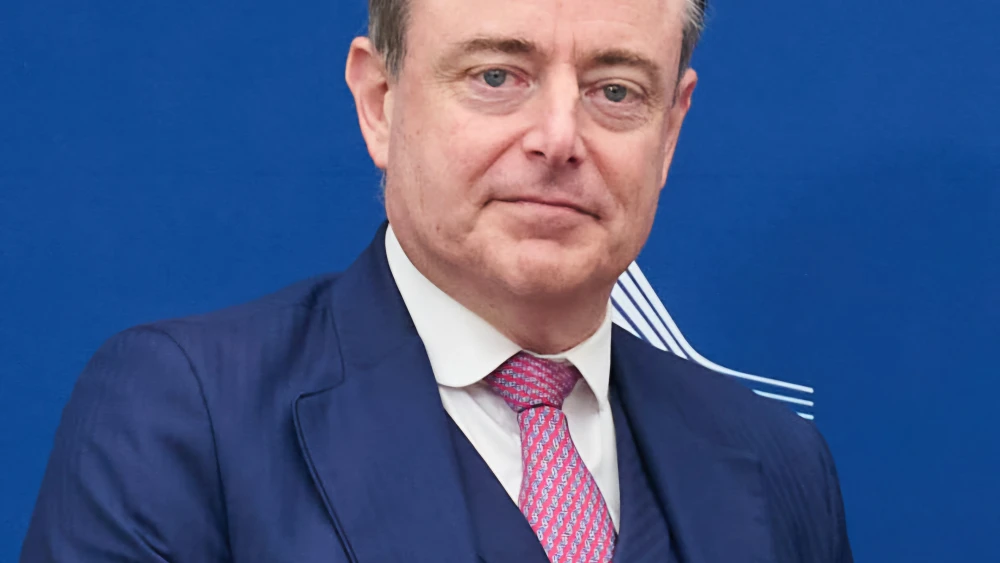
Belgian Prime Minister Bart De Wever “is a weak leader who seeks to appease Islamic terrorism by sacrificing Israel,” read a statement posted on X by the Prime Minister’s Office in Jerusalem, quoting Netanyahu. “He wants to feed the terrorist crocodile before it devours Belgium. Israel [...] won’t go along and will continue to defend itself.”
Netanyahu’s harsh-worded rebuke seemed connected to Tuesday’s announcement by Belgian Foreign Minister Maxime Prévot of 12 measures against Israel, including a ban on imports from Jewish communities in Judea and Samaria; limits on consular aid to Belgians living in the disputed region; and restrictions on government contracts with Israeli companies. Also in place are entry bans targeting “two extremist Israeli ministers, several violent settlers and Hamas leaders,” as Prévot put it.
Prévot also said that Belgium would recognize a Palestinian state at the U.N. General Assembly in New York this month, though he tied the implementation of such recognition—meaning the establishment of bilateral ties and other steps—to the removal of Hamas from power and the return of Israel’s hostages. These conditions are widely thought to have been introduced by De Wever, a center-right politician who has opposed recognition.
Prévot’s center-left Les Engages political party is a junior coalition partner of De Wever’s New Flemish Alliance. Tensions over Israel have polarized the already uneasy governing alliance between those and other parties in Belgium, whose binational society has added to the instability of governments in recent years, and where coalition talks typically go on for months.
Michael Freilich, a Jewish lawmaker from de Wever’s party, regretted “that matters have come to this,” he wrote on X in reply to Netanyahu’s statement.
Bart De Wever “has always been a true friend of the Jewish people and a consistent defender of Israel’s right to self-defense,” Frelich wrote, noting the conditions for Belgian recognition of Palestinian statehood.
“Belgium is therefore not opting for a French-style unilateral recognition. Belgium remains, in my view, a steadfast ally of all those who strive for peace and genuine coexistence,” Freilich wrote.