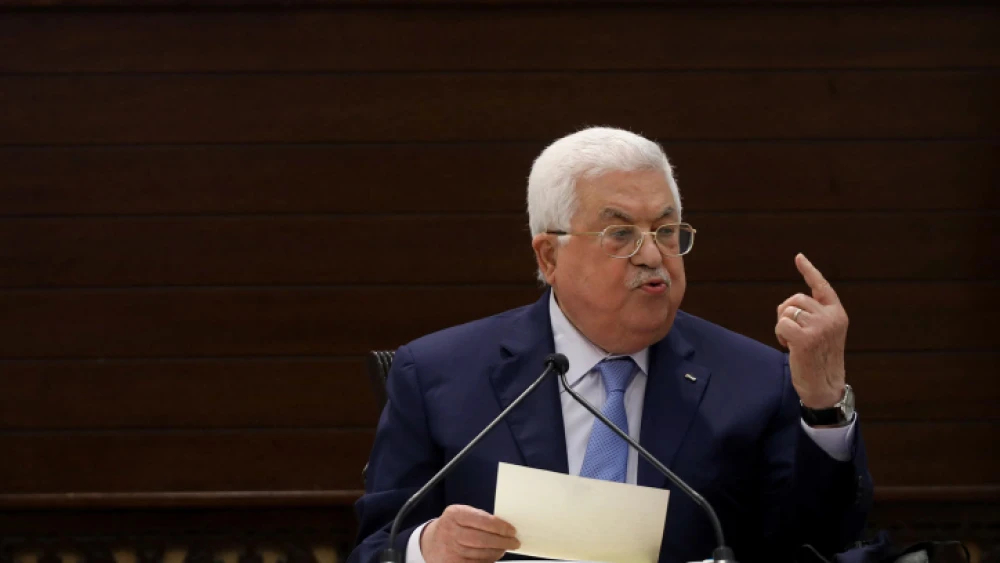
Palestinian Authority leader Mahmoud Abbas signaled on Thursday that Palestinian elections, which were scheduled for May 22, would be indefinitely delayed, a move that has angered the Hamas terror group that was preparing to gain from the results.
Abbas seemed to blame Israel for not being able to hold elections in eastern Jerusalem, which has seen clashes between Arabs and Jews in the past week.
“We will take the proper decision to preserve all our rights in east[ern] Jerusalem, our eternal capital, including the right to hold parliamentary elections there,” said Abbas, reported the AP.
Palestinian elections have not been held since January 2006. Postponement seems to be a pretext since ways to get around the issue exist, according to several candidates. Mail-in balloting has also been mentioned as a solution that has been done before.
Hamas opposes delaying the elections, saying Palestinians should find ways of “forcing the elections in Jerusalem without the permission of or coordination with the occupation.”
According to the report, Hamas said it “will not be a party to any postponement or cancellation, and will not provide cover.” The responsibility “will rest with those who take it in response to the veto of the occupation,” it charged.
Hamas, which rules the Gaza Strip with about 2 million residents, was expected to do well because of internal strife and division within Abbas’s Fatah Party.