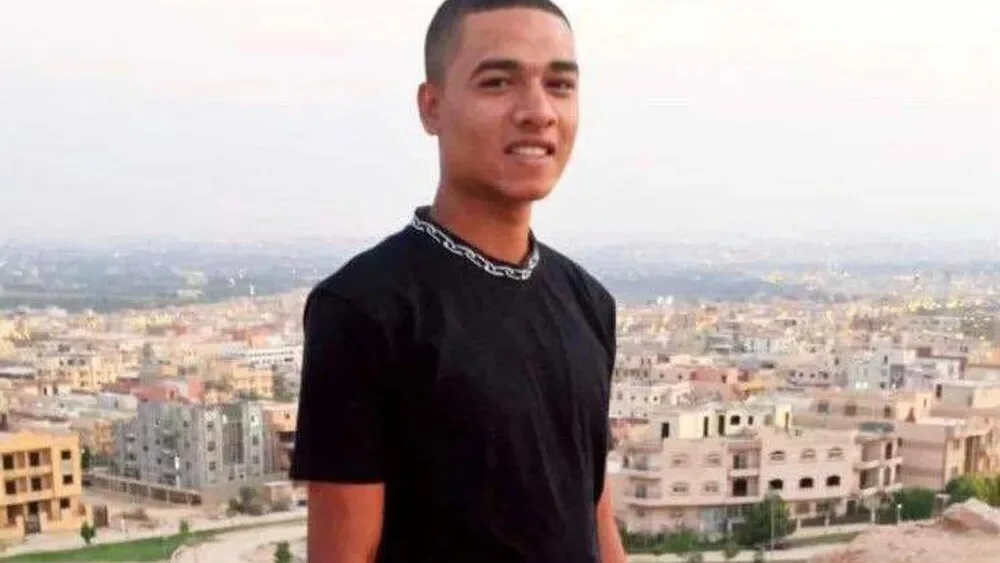
The Egyptian terrorist who killed three Israeli soldiers on Saturday was identified on Monday as Mohamed Salah Ibrahim.
Ibrahim, 22, was reportedly drafted into the Egyptian military last June and stationed along the Israel-Egypt border as a police officer.
He had complained repeatedly about his military service and recently went absent without leave for 18 days, according to Israeli media reports.
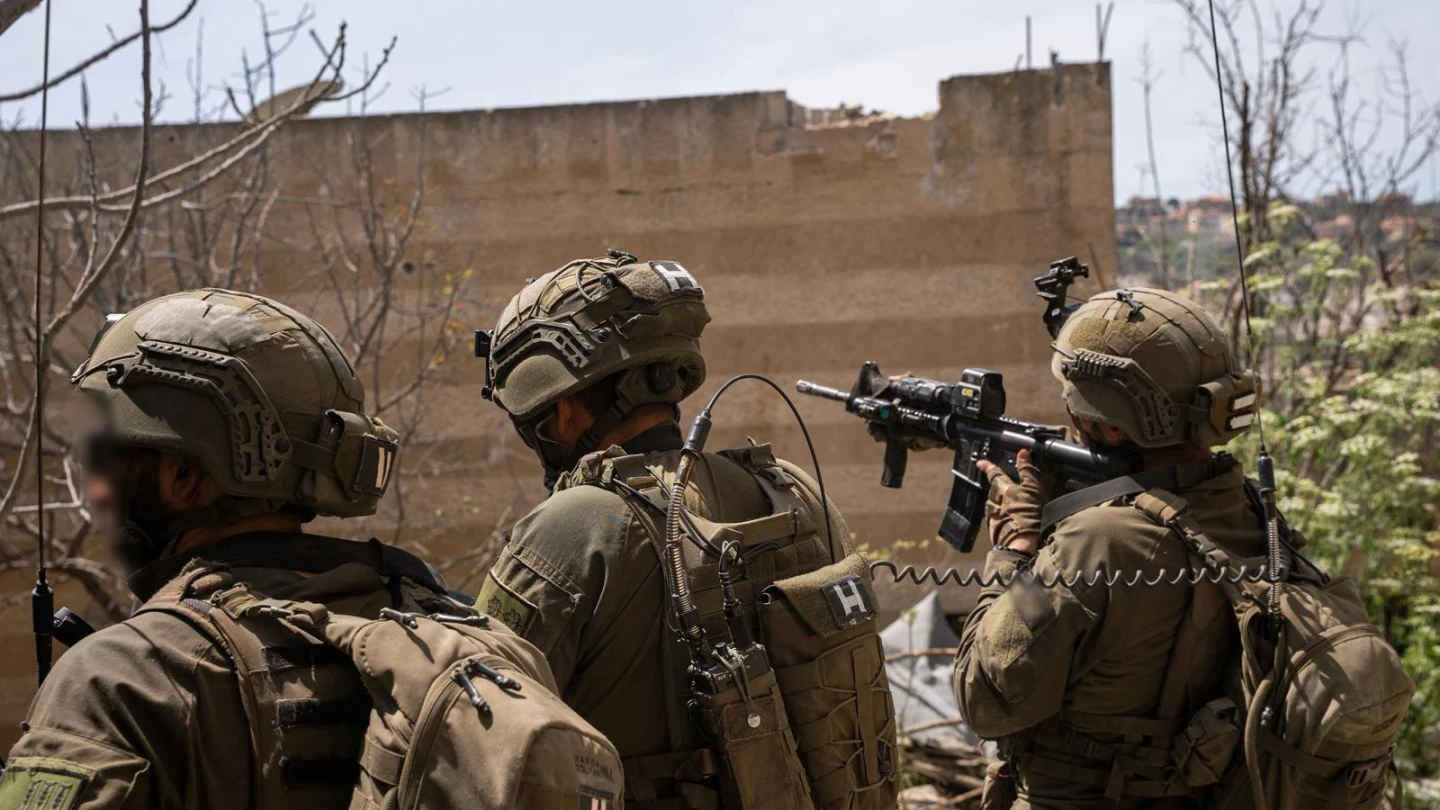
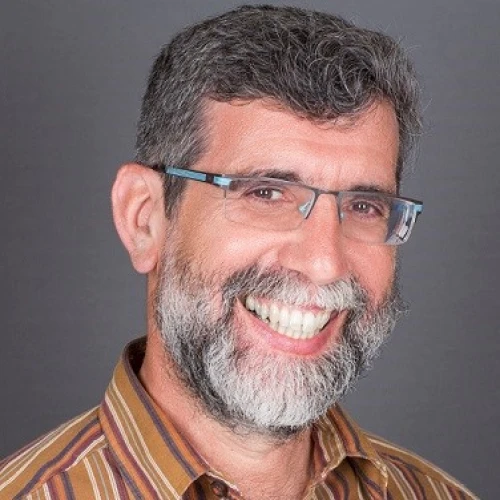
Ibrahim shot dead Sgt. Lia Ben-Nun, 19, and Staff Sgt. Uri Iluz, 20, overnight on Friday while they were manning an observation post near the border. During the subsequent manhunt, Staff Sgt. Ohad Dahan, 20, was killed in Israeli territory in an exchange of fire with the terrorist, who was also fatally shot.
A fourth Israeli soldier was lightly wounded.
The three fatalities were all buried on Sunday afternoon.
Israel Defense Forces Chief of Staff Lt. Gen. Herzi Halevi on Sunday tapped Maj. Gen. Nimrod Aloni to lead the investigation into the “systemic failures” that led to the deaths of the soldiers.
Israeli Prime Minister Benjamin Netanyahu said on Saturday that the deadly attack would be thoroughly probed.
“The deadly incident on the Egyptian border on Shabbat is severe and extraordinary, and will be fully investigated. I want to commend our forces who sought contact and eliminated the terrorist,” said Netanyahu.
“Together with the entire people of Israel, I share in the sorrow of the families of [those killed] ... and wish a swift recovery to the wounded. Our hearts are with the families in their profound grief,” he added.
A preliminary investigation found that Ibrahim crossed the border through an emergency gate used by IDF soldiers in coordination with Cairo.
Egypt claimed he had crossed the border to chase drug smugglers in the aftermath of an earlier bust.
However, Army Radio reported on Sunday that the Egyptian policeman had in his possession six magazines for his rifle, a Koran and a knife. The IDF estimates that the presence of the Koran suggests that Ibrahim was motivated by Islamic religious extremism, the report said.
Israeli Defense Minister Yoav Galant and Egyptian Defense Minister Maj. Gen. Mohamed Ahmed Zaki spoke on Saturday evening and agreed to cooperate in investigating the attack.