The Israel Museum on Thursday inaugurated an exhibit titled “Body of Faith: Sculpture from the National Museum of India,” to mark the 75th anniversary of India’s independence.
Israeli President Isaac Herzog and Indian Ambassador to Israel Sanjeev Singla were slated to attend the launch event in Jerusalem.
The display features 14 large-scale Indian sculptures made of bronze and stone, created between the fourth and 13th centuries. Eight of them are on loan from the National Museum in New Delhi and six are from the Israel Museum’s own collection.
The sculptures exemplify the religious art and diverse philosophies that developed in India over the centuries.
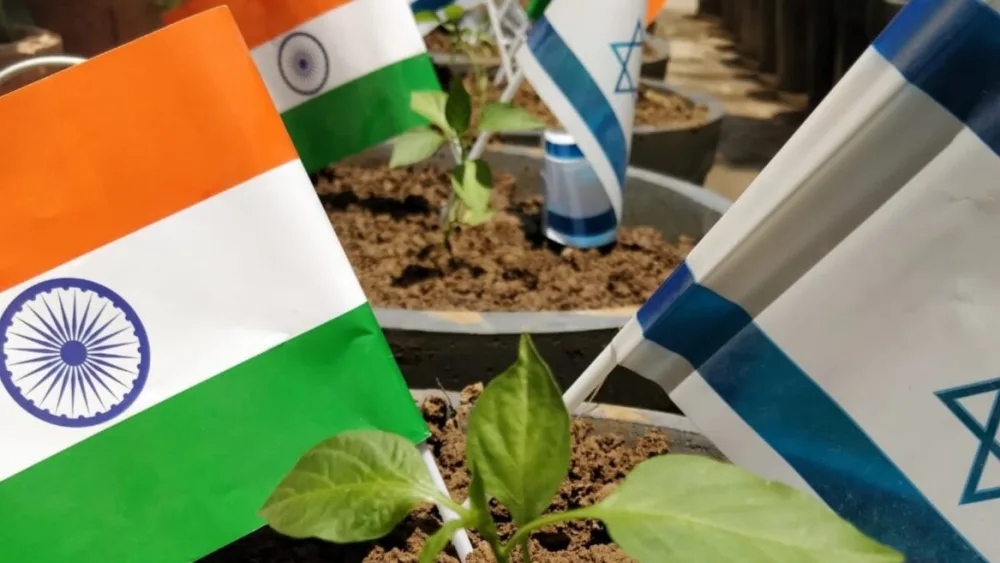
On Jan. 29, India and Israel celebrated 30 years of full diplomatic relations, kicking off a year of joint cultural and educational events.
In June, Israeli Defense Minister Benny Gantz traveled to New Delhi for a state visit. “India and Israel share similar and common challenges, including border security and fighting terrorism,” he said at the time. “By working together, we may increase our capabilities and ensure the security and economic interests of both countries.”
India gained independence from the British in August 1947 and Israel in May 1948.