Newsletter
Newsletter Support JNS

Attorney General rejects Netanyahu’s request for pre-indictment hearing delay

Israeli Prime Minister Benjamin Netanyahu had requested an extension due to the dissolution of the Knesset sending the country to elections again in September.

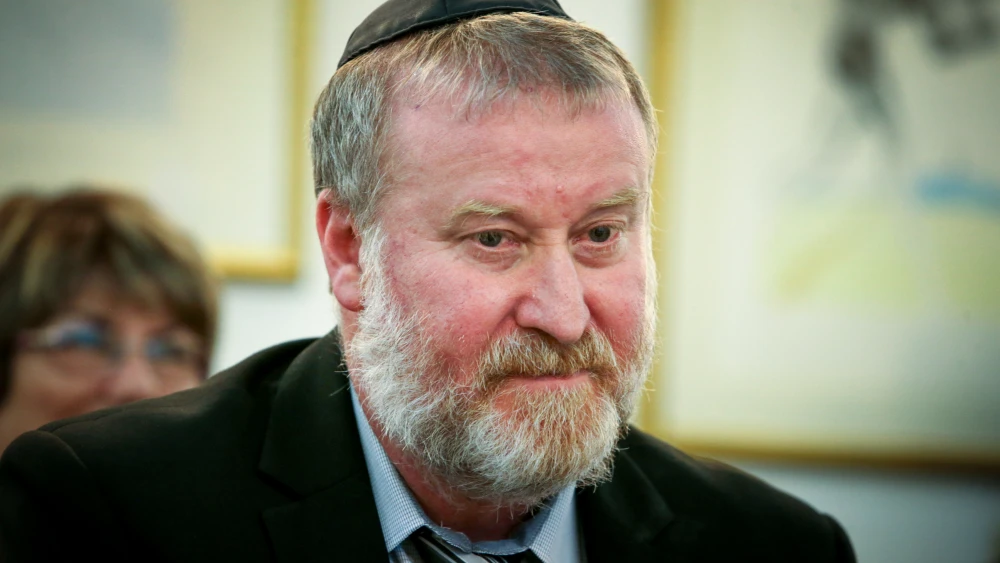
Israeli Attorney General Avichai Mandelblit at a ceremony at the Hebrew University of Jerusalem on Nov. 14, 2016. Photo by Flash90.

Israel’s Attorney General Avichai Mandelblit will not give Israeli Prime Minister Benjamin Netanyahu an additional delay on the pre-indictment hearing in the three corruption cases against him, despite Netanyahu’s insistence that the hearing will unjustly affect the Sept. 17 election.

In a letter Thursday to Netanyahu’s lawyers, top Mandelblit adviser Gil Limon said the new election does not justify a delay, and that evidence for the scheduled Oct. 2-3 hearing was provided to Netanyahu’s legal team in April.

Netanyahu has until June 10 to inform the attorney general whether or not he will participate in the hearing.

If he does participate, he will be given the opportunity to attempt to persuade Mandelblit not to prosecute him. If he chooses not to go through with the hearing, the attorney general will be able to file indictments within days or weeks.

Prior to the dissolution of the 21st Knesset, Netanyahu attempted to pass a law that would give sitting Israeli prime ministers immunity from prosecution.

The Strait of Hormuz has been closed in the wake of the Israeli Air Force’s pummeling of Hezbollah, an IRGC-affiliated news agency reported.
President Trump had the power to “cripple Iran’s entire economy in minutes. But he chose mercy,” the defense secretary said.
“Never underestimate President Trump’s ability to successfully advance America’s interests,” Karoline Leavitt stated.

“If they negotiate in good faith, we will be able to find a deal,” the U.S. vice president said.
The U.S. president hailed the two-week ceasefire agreement with Tehran, suggesting the deal could mark the beginning of a ‘golden age’ in the Middle East.
Pakistan’s prime minister said that diplomatic talks to resolve the conflict will take place in Islamabad.