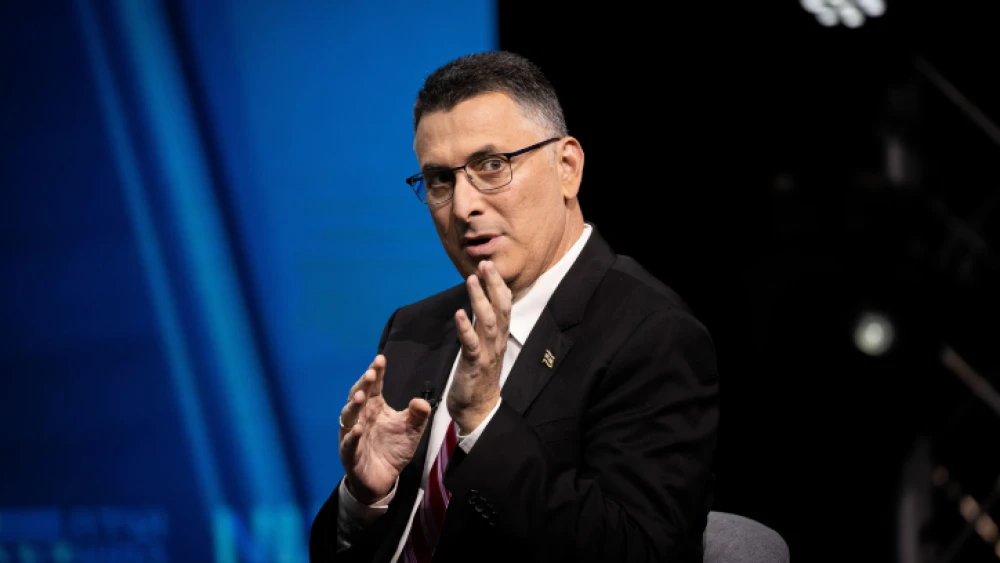
Israeli Foreign Minister Gideon Sa’ar on Monday called for more “realistic expectations” in Europe regarding the new Syrian government, which he described as “a terrorist group from Idlib.”
Speaking at a press conference with E.U. officials in Brussels during a meeting of the Association Council, responsible for the European bloc’s relationship with Israel, Sa’ar said, “I hear talks of regime transition in Syria. This is ridiculous.”
The government of Ahmed al-Sharaa, a former Al Qaeda terrorist known also as Abu Mohammed al-Jolani, “is a jihadist Islamist terror group from Idlib, that took Damascus by force,” he said.
After the fall of Assad in December, Israel seized the U.N.-patrolled buffer zone in the Syrian Golan Heights set up under a 1974 ceasefire agreement. Syria’s new authorities and U.N. officials have called for Israel to withdraw.
“We are all happy that Assad is out. But we must have realistic expectations,” said Sa’ar. “The Islamists speak softly. Just check how Iran spoke in 1979,” he added. “But everyone knows who al-Sharaa is. Not only are they [Syria’s new government] not inclusive, they are exacting vengeance on Alawites. They are harming the Kurds. We will not compromise the security on our border. Hamas and Palestinian Islamic Jihad are acting in Syria to create another front against Israel there.”
Israeli Prime Minister Benjamin Netanyahu on Sunday said that Israel would not allow al-Sharaa’s army or other insurgent groups to “enter the area south of Damascus.”
“Take note: We will not allow HTS forces or the new Syrian army to enter the area south of Damascus,” said Netanyahu, referring to Syria’s new authorities as well as Hayat Tahrir al-Sham, the group headed by Al-Sharaa.
The work of the E.U.-Israel Association Council has suffered delays and setbacks in recent years amid disagreements between the European Union and Israel on the status of Jerusalem, Samaria, Judea and the Jordan Valley. The E.U. considers Israeli presence in those areas illegal, a position which Israel has protested. The European Union is promoting Palestinian statehood, which Israel’s government opposes at this time.
The last time the E.U.-Israel Association Council was convened was in 2022, but it was done remotely that year.
Sa’ar referenced tensions in E.U.-Israel relations on Monday, arguing that they should not affect the Association Council’s work.
“We proved over the past 16 months Israel is a pillar of strength and stability in the turbulent Middle East. We are the only democracy in the Middle East. We have shared threats to our Western lifestyle. We must work together to safeguard democracy, world order and stability. Our relations should not be held hostage to the bitter conflict we have with our Palestinian neighbors,” he said.
On Oct. 7, 2023, thousands of Hamas terrorists invaded Israel, murdering some 1,200 people and abducting another 251. The massacre triggered an Israeli military campaign to dismantle Hamas and generated a regional conflict that ended with the weakening of Hezbollah in Lebanon and the fall of Assad’s dictatorship.
“Israel’s dramatic weakening of Hezbollah ultimately caused Assad to not be in power in Syria,” said Sa’ar. “There is an opportunity for positive change in Lebanon. There is an opportunity for the transformation of Lebanon from Iranian occupation to the pragmatic Arab camp,” he added. But, he warned, “Money from Iran is being moved to Lebanon with the aid of Turkey, through Istanbul. This is unfortunate.”
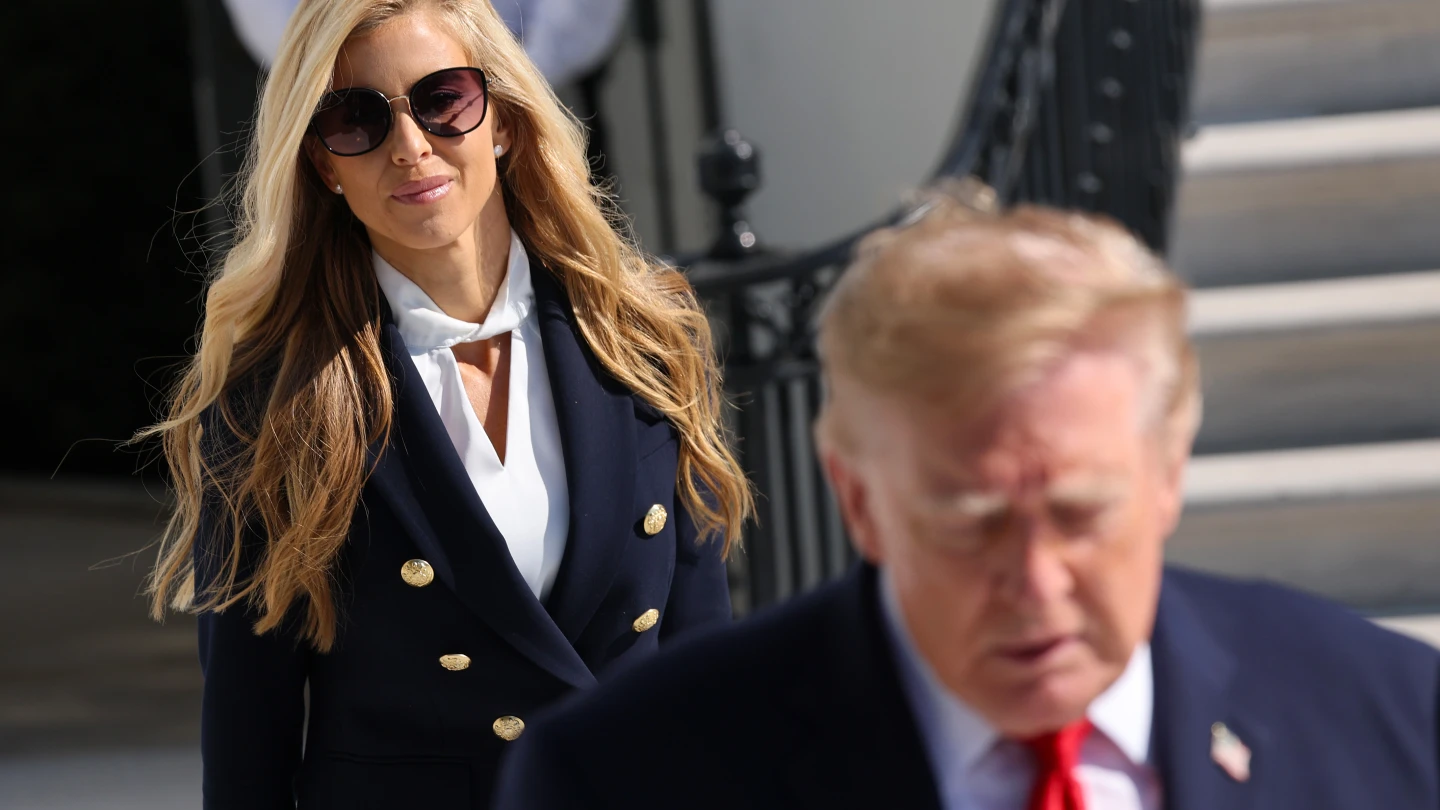
Sa’ar also addressed the increase in expressions of antisemitism in Europe in the aftermath of Oct. 7, which he juxtaposed with what he described as a decrease in the United States following the election of U.S. President Donald Trump.
“There were huge problems on American college campuses, but now Jews feel much safer. There is a connection between antisemitism and being anti-Israel,” said Sa’ar. While Israel appreciates “the steps that have been taken” to curb antisemitism, “overall we think, frankly, that it is not enough.”
On Iran, Sa’ar said: “The time to act is now. The objective is to avoid a nuclear Iran.”
Sa’ar also addressed Israel’s decision to outlaw the Israel activity of the United Nations Relief and Works Agency for Palestine Refugees in the Near East, or UNRWA, the U.N. aid agency for Palestinians. “UNRWA is part of the problem, not the solution. In UNRWA schools there was incitement of the worst kind,” he said.