


Israeli Prime Minister Benjamin Netanyahu’s meeting on Monday in Uganda with Gen. Abdel-Fattah Burhan, the head of Sudan’s transitional government, sparked a wave of critical reactions from Palestinians. The two leaders discussed normalizing Israeli-Sudanese diplomatic ties.
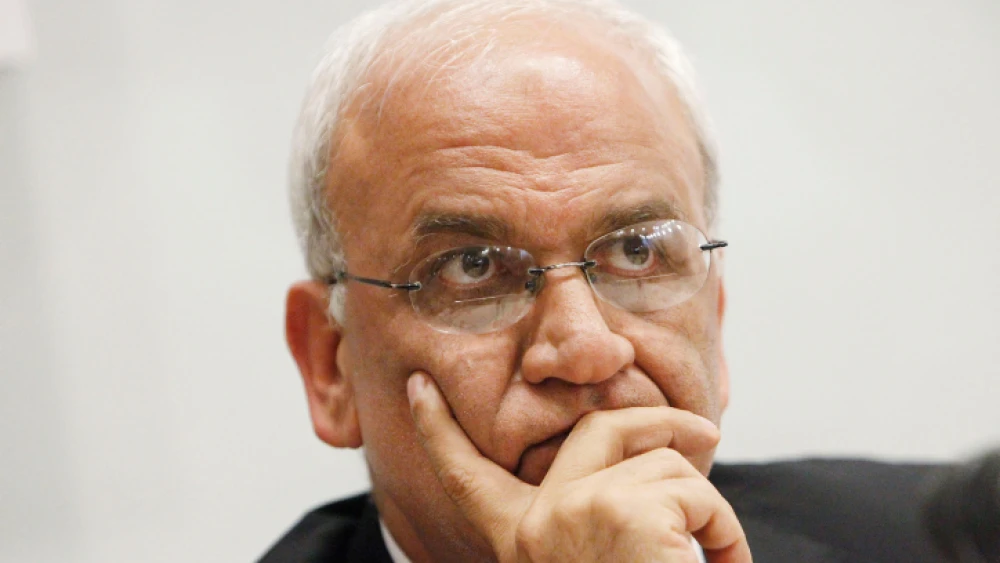
“This meeting is a stab in the back of the Palestinian people and a blatant departure from the Arab Peace Initiative at a time when the administration of [U.S.] President Donald Trump and Israeli Prime Minister Netanyahu are trying to liquidate the Palestinian cause,” said Saeb Erekat, secretary-general of the Palestine Liberation Organization and chief Palestinian negotiator, in a statement carried on official Palestinian Authority news agency Wafa.
Erekat also condemned Uganda’s announcement, made alongside the Israel-Sudan development, that it will consider opening an embassy in Jerusalem.
He called on all members of the African Union, which includes Uganda, to uphold their previous decisions regarding the Israeli-Palestinian conflict in a way that will see the establishment of a Palestinian state with eastern Jerusalem as its capital.
Erekat continued: “No one can barter on their own behalf at the expense of the national rights of the Palestinian people.”
Netanyahu and Burhan’s announcement that they had begun talks on normalization marks a major diplomatic breakthrough with an Arab and African state, just two days after the Arab League rejected the newly revealed U.S. peace plan.
Palestinian Islamic Jihad, the Iran-backed terrorist organization based in the Gaza Strip, also strongly condemned Burhan’s meeting with the Israeli premier.
The terrorist group said it considers the Sudanese to be supporters of the Palestinians, and called “on the Sudanese people to reject and denounce the meeting with Netanyahu.”
The Palestinian Front for the Liberation of Palestine said in a statement: “We call on the Sudanese people to condemn the [Burhan’s] meeting with Israeli Prime Minister Benjamin Netanyahu and oppose and normalization steps.”
Sudan is a longtime member of the Arab League and joined other members in rejecting Trump’s plan. But Sudan is also desperate to lift sanctions linked to its listing by the United States as a state sponsor of terrorism—a key step toward ending its isolation and rebuilding its economy after the popular uprising that toppled dictator Omar al-Bashir last year.
For Israel, the meeting marked a major step toward improving ties with both Arab and African countries, and further burnishes Netanyahu’s diplomatic credentials as he seeks reelection in March.
In a sign of the sensitivities involved, the meeting with Burhan was kept secret, with Netanyahu only announcing it after the fact.
The two leaders met in Entebbe at the residence of Ugandan President Yoweri Museveni.
During the visit Museveni told Netanyahu that he would look into the possibility of opening an embassy in Jerusalem, and the Israeli leader suggested that Israel reciprocate by opening an embassy in Kampala.
Netanyahu said he was hoping they could move ahead on the embassies “in the near future.”
This article first appeared in Israel Hayom.



