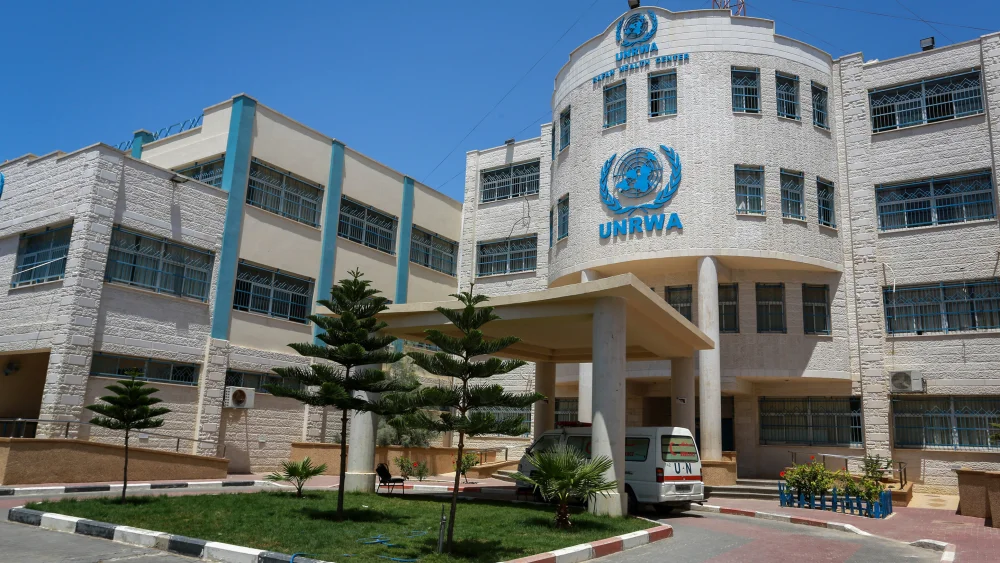
When the U.S. House of Representatives passed a series of appropriations bills last week, the U.S. State Department’s (H.R.4665) included provisions countering one organization most responsible for indoctrinating Palestinian children in Judea and Samaria to hate.
The U.N. Relief and Works Agency (UNRWA) has received regular criticism for its school textbooks, which are rife with antisemitism. The House has now taken action with the inclusion of statues in the appropriations bill. The new rules will require the U.S. Secretary of State to allow funding only after certifying that taxpayer dollars are not going towards incitement.
The bill also bars support of UNRWA through contributions to international groups and requires a State Department employee to review UNRWA’s educational documents and submit reports to Congress.
The bill’s text states that procedures will be put in place to stop “UNRWA resources for disseminating anti-American, anti-Israel or anti-Semitic rhetoric; or incitement of violence.”
A similar appropriations bill to defund UNRWA was also included in the Senate version.
“The fact that the House has included these provisions within an extremely complex bill demonstrates the significance that US legislators are now placing on UNRWA’s continued incitement,” said Marcus Sheff, CEO of IMPACT-se.
Sheff said the House vote showed “that there is no blank check for hate.”