


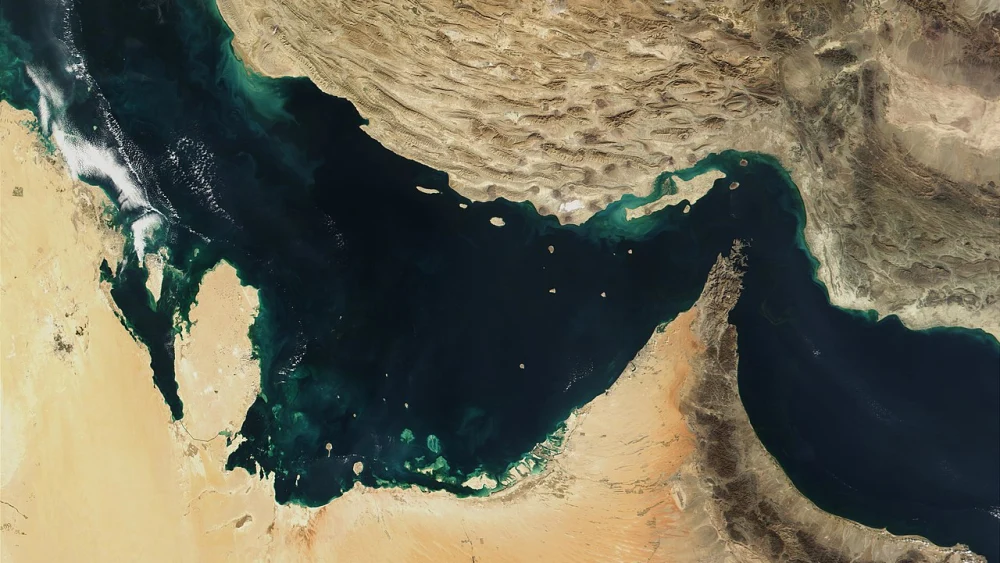
The U.S. Department of Transportation’s Maritime Administration warned on Wednesday about Iran threatening commercial shipping in the Strait of Hormuz, as some ships have reported interference with their GPS.
The administration has also warned of reports of “unknown entities falsely claiming to be U.S. or coalition warships.”
The warning mentioned naval incidents involving Iran since May, including the regime’s seizure last month of the U.K.-flagged Stena Impero and Liberian-flagged MV Mesdar.
It noted that during “at least two” encounters including the Iranian military, “vessels reported GPS interference. One vessel reportedly shut off its Automatic Identification System (AIS) before it was seized, complicating response efforts.”
“Vessels have also reported spoofed bridge-to-bridge communications from unknown entities falsely claiming to be U.S. or coalition warships,” added the warning.
U.S. Central Command stated on Wednesday that “vessels have reported GPS interference, bridge-to-bridge communications spoofing, and/or other communications jamming with little to no warning.”
“The U.S. remains committed to working with allies and regional partners to safeguard the freedom of navigation, the free flow of commerce, and the protection of U.S. vessels and personnel in this region,” added the statement.


