By Jonathan S. Tobin/JNS.org
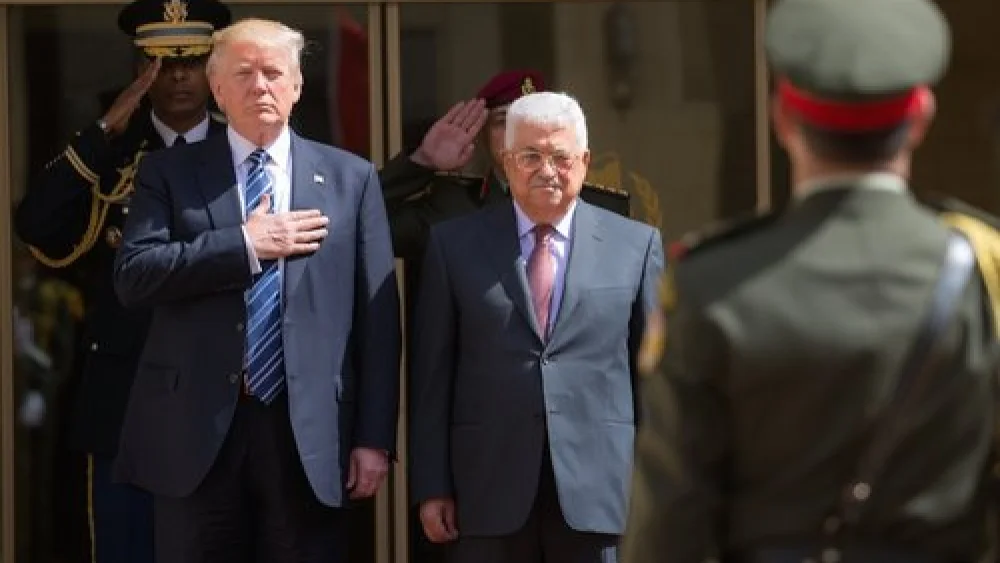
The most important incident during President Donald Trump’s visit to the Middle East took place out of view of the international press. At the time, it went unreported and unremarked upon. The president not only didn’t mention it publicly, he also failed to tweet about it. But Trump’s outburst of anger at Palestinian Authority (PA) President Mahmoud Abbas during their meeting in Bethlehem may have set a tone that will either create real progress toward peace or, more likely, instill a degree of realism about Israel’s antagonists that has been lacking in the new administration.
According to reports first broadcast on Israeli television and subsequently confirmed by Abbas in a meeting with PLO leaders, Trump blew up at Abbas during their meeting. Abbas had assured the president during their earlier meeting in the White House that the PA didn’t conduct incitement against Israelis and Jews. Trump had believed Abbas’s assurances, but subsequently learned Palestinian official media and schools routinely conduct incitement that helps buttress a culture of hatred that is incompatible with peace. Trump also now knows the PA pays salaries to Palestinian terrorists and their families, a total that amounts to more than $1.1 billion in just the last four years.
Instead of another love-fest with his new friend Mahmoud, the meeting in Bethlehem turned into a tense session including Trump playing Abbas a video of examples of the PA leader’s vicious attacks, as well as one statement in which Abbas confessed to incitement. According to various accounts, Trump pounded the table and yelled at Abbas while accused him of lying when he spoke of Palestinians raising their children in a “culture of peace,” when the two stood alongside each other at their White House press conference in early May.
The fact that Trump, a man with no filter or compunction about venting his spleen in public, chose not to share his anger at Abbas with the world was significant. Indeed, in his speech at the Israel Museum, which came after the stormy exchange with the Palestinian leader, Trump assured the world again that Abbas was dedicated to peace.
Moreover, in the following days, Trump’s Jewish supporters were eating crow over his decision to sign a waiver ensuring the U.S. Embassy in Israel wouldn’t be moved from Tel Aviv to Jerusalem. Though the decision was no surprise, it still had to sting for those on the right who were convinced Trump’s disregard for every other rule of presidential behavior would impel him to be the first not to break a promise on Jerusalem.
These incidents paint a portrait of a president who seriously believes a peace deal is possible and wishes to do nothing that might interfere with a new round of talks. Given the reality of Palestinian intransigence—they’ve already either turned down or ignored a number of Israeli peace offers, included statehood, independence, and control over almost all of the West Bank and a share of Jerusalem—and the incitement that belatedly came to Trump’s attention, the odds of success are slim to none. If Trump really believes the missing ingredient for peace has been a master real estate dealmaker, he’s wrong. But his willingness to pound the table at Abbas is nevertheless significant.
The common thread throughout the history of peace negotiations that began with the Oslo process has been a refusal on the part of the West to hold the Palestinians accountable. Yasser Arafat made little secret of the fact that he saw the power he gained at Oslo as a stepping stone to future conflict rather than a way to end it. Though his successor Abbas wears a suit rather than military fatigues, he has played the same double game in which he sometimes talks peace while also buttressing a culture of hatred and war that ensures the continuation of the conflict.
Neither Trump nor the Saudis can bribe Abbas to act differently when the dynamic of Palestinian politics and worries about his Hamas foes tell him he must stall peace in order to survive. But a U.S. president who is willing to hold him accountable for his conduct is an innovation that can only advance the cause of peace. For too long, Abbas has gotten away with brazen lies and condoning violence while being applauded by U.S. presidents. If peace is ever to come, it will only happen when the Palestinians realize they must change. Such a moment can’t come soon enough.
Jonathan S. Tobin is opinion editor of JNS.org and a contributing writer for National Review. Follow him on Twitter at: @jonathans_tobin.