Israeli Elections

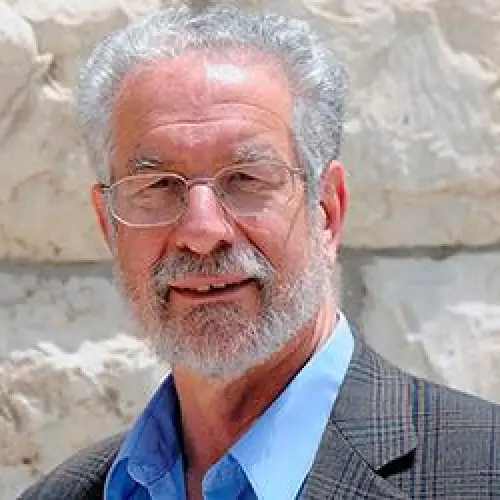
With Ehud Barak as party chief, current leader Avi Gabbay would be able to withdraw with his dignity relatively intact, sparing him the humiliation he is likely to otherwise face from his staunch Labor rivals in the Knesset.

The move comes after reports that the Israeli prime minister was considering a Cabinet reshuffle to gear up for September’s election.
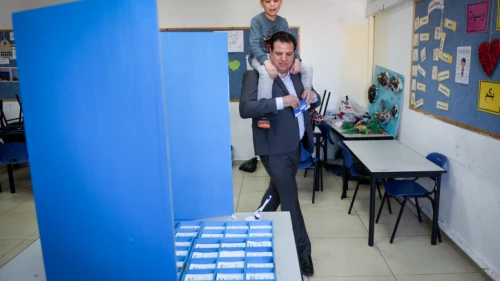
An examination of the voting patterns of Israeli Arabs living in Arab towns and villages dramatically disproves P.A. claims of “Israeli apartheid.”

The New Right and Zehut leaders are talking about the two parties running on a joint list for the election and reverting to their current status should they make it into the Knesset.
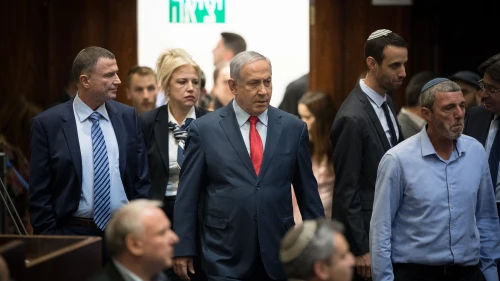
With one hour till midnight, the prime minister’s motorcade pulls up to the Knesset. As he enters the building, Benjamin Netanyahu tells the media: “We are heading to new elections.”

This has nothing to do with ultra-Orthodox conscription and everything to do with legislation over immunity, according to Jonathan Rynhold, deputy head of the department of Political Studies at Bar-Ilan University.

“It’s too bad what happened in Israel,” U.S. President Donald Trump told reporters. “More likely they’ll have to go back into election mode.”
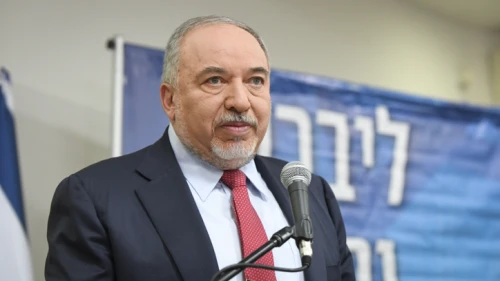
Yisrael Beiteinu leader Avigdor Lieberman accuses Prime Minister Benjamin Netanyahu of waging a “propaganda” campaign, and expresses the hope of winning 18 seats in the Sept. 17 elections.
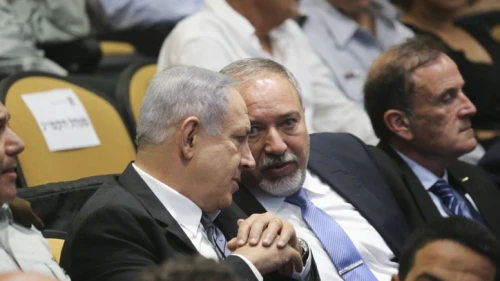
Likud lawmakers take to the media to excoriate Yisrael Beiteinu leader Avigdor Lieberman for causing “one of the greatest farces in Israeli politics.”

After a 12-hour debate, lawmakers approved a measure by a vote of 74-45 to dissolve the 21st Knesset and hold new elections on Sept. 17.
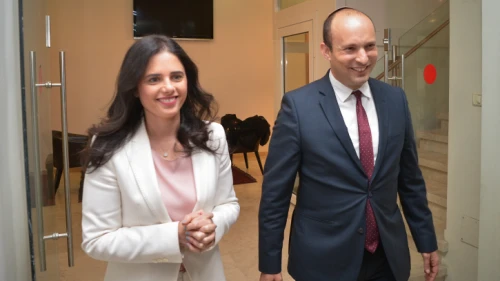
Should coalition talks fail, the New Right Party, which did not garner sufficient votes in the April 9 election to enter the Knesset, may be in line for a political resurrection.
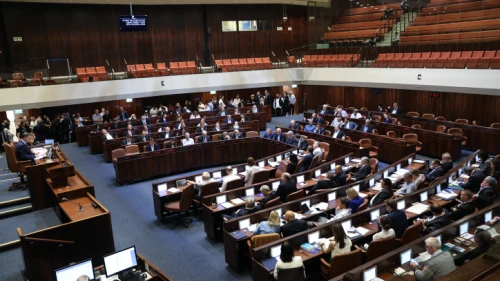
A new prime minister? Another election? A minority government? All those scenarios could unfold in Israel over the next few days.