The British Library, the largest national library in the world by number of items catalogued, has made available its collection of 250 of the most rare and ancient religious texts online, many available to the public for the first time.
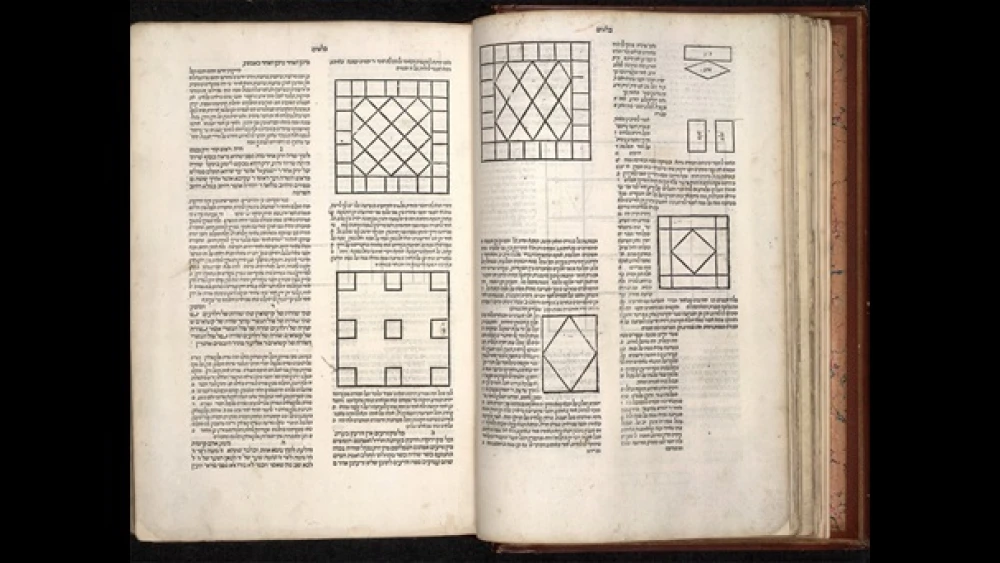
According to Tuesday’s press release, the unparalleled online collection, titled “Discovering Sacred Texts,” is accessible online for free from around the world and includes access to an incredible range of texts, videos and curated articles, including one of the few copies of the Talmud that escaped public burnings suffered by most other Jewish law books during the Middle Ages.
Also in the collection are the first complete printed text of the Mishnah; the Gaster Bible, one of the earliest surviving Hebrew biblical codices, created in Egypt around the 10th century C.E.; the Johann Gutenberg Bible, probably the most famous Bible in the world and the earliest full-scale work printed in Europe using moveable type; the earliest surviving copy of the complete New Testament, Codex Sinaiticus, which dates from the fourth century; and the Ma’il Koran, one of the very earliest Korans in the world, dating back to the eighth century.
The project was supported by Dangoor Education and Allchurches Trust, among other donors, with the goal of providing access to the “richness and diversity of the texts from the world’s great faiths.”
According to the press release, the online catalogue was designed for religious education students, teachers and lifelong learners to learn about Christianity, Islam, Judaism, Buddhism, Hinduism, Sikhism, Jainism, the Baha’i faith and Zoroastrianism.
“I am delighted to be involved in such an important and innovative project, which will bring to the public for the first time some of the world’s oldest and most sacred texts,” said David Dangoor, head of the Dangoor Education fund.
“These texts form the bedrock of our human civilization, and when compared and contrasted by their viewers will demonstrate that our sacred texts all speak a similar language of humanity, compassion and the norms of a fair and equitable society,” he said. “They all have much to teach us, and it is extremely welcome that they are now more accessible.”