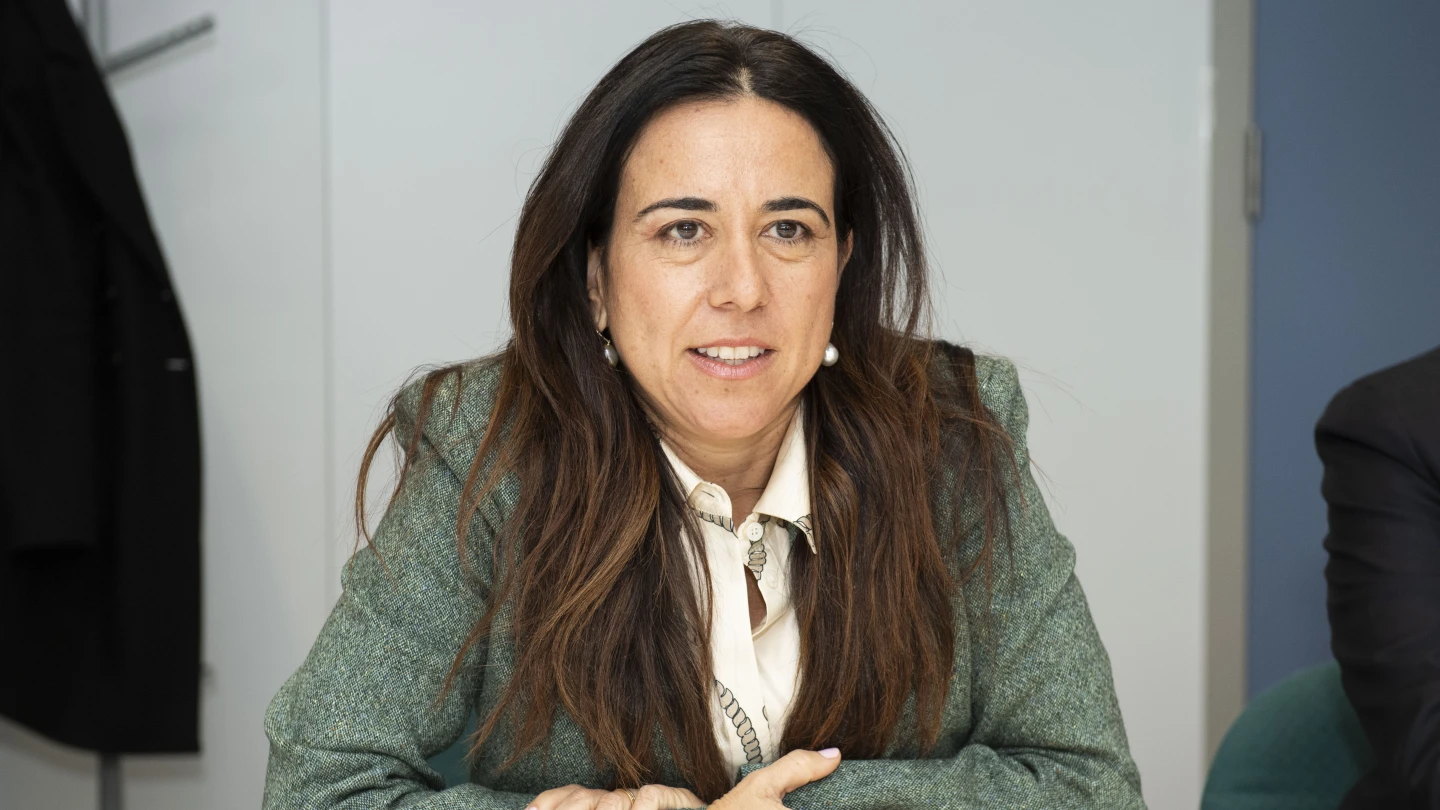
In this week’s episode of “Our Middle East,” Jerusalem Center for Public Affairs president Dan Diker speaks with Mehrdad Youssefiani, a long-time senior adviser and former bureau chief to Reza Pahlavi, the crown prince of Iran. They discuss the mullahs’ opposition in the 8-million-strong Iranian diaspora in the West and its potential role in toppling the theocratic dictatorship.
Youssefiani notes the recent exposé on the Semafor website of an Iranian regime influence operation among its apologists in the American political world, including the former U.S. envoy to Iran, Robert Malley, who was placed on leave in June after his security clearance was suspended.
Youssefiani says that the Iranian opposition has been “screaming and yelling for the past 15 years” about American sympathizers’ collusion with the regime in Tehran, which is only now being exposed. This is happening “thanks to the regime itself” since “hardcore extremists [are] trying to unravel … rapprochement ... basically saying … ‘We’re going to torpedo it entirely.’”
The Biden administration’s recent release of $6 billion to the Iranian regime signals American weakness and diplomatic confusion, he adds, comparing it to the release of American hostages (two of whom were Youssefiani’s personal friends) in 1979 under President Jimmy Carter.
“The optics are terrible,” he says. “It’s been ‘lose-lose’ all around.”
He adds that considering the regime’s debt, it is doubtful the Iranian people will benefit from money earmarked for humanitarian aid. “We need to re-evaluate sanctions.”
Youssefiani says the Iranian diaspora, including 2 million to 3 million Iranian Americans, plays an important part in demanding democracy in Iran, and it received a push from the bloody riots following the modesty police’s killing of Kurdish Iranian Mahsa Amini, all of 22, last September.
“We have daily courageous acts of defiance throughout Iran, especially by the Iranian women … capturing the Iranian people’s daily struggle.”
To this end, Youssefiani says that Iranians need more real representation in the U.S. Congress, notwithstanding the success in passing the “MAHSA Act” (the Mahsa Amini Human Rights and Security Accountability Act) in the U.S. House of Representatives this year, a reflection of growing influence.
The opposition is “reorganizing, refocusing and will be coming out with the thunder soon again,” although it is impossible to predict when the “storm will break,” says Youssefiani, so patience and pacing the expectations of the Iranian people are keys to success.