Marco Carrai is guilty of one “crime”: loving Israel. For that, the Christian businessman, philanthropist and honorary consul of Israel in Tuscany and Lombardy is now being targeted with slurs, death threats and posters in his own city branding him a “genocidal Zionist agent.”
In Florence—the cradle of the Renaissance—antisemitism is again scrawled on the walls. Tuscany, once proud of its culture, has instead distinguished itself with disgrace.
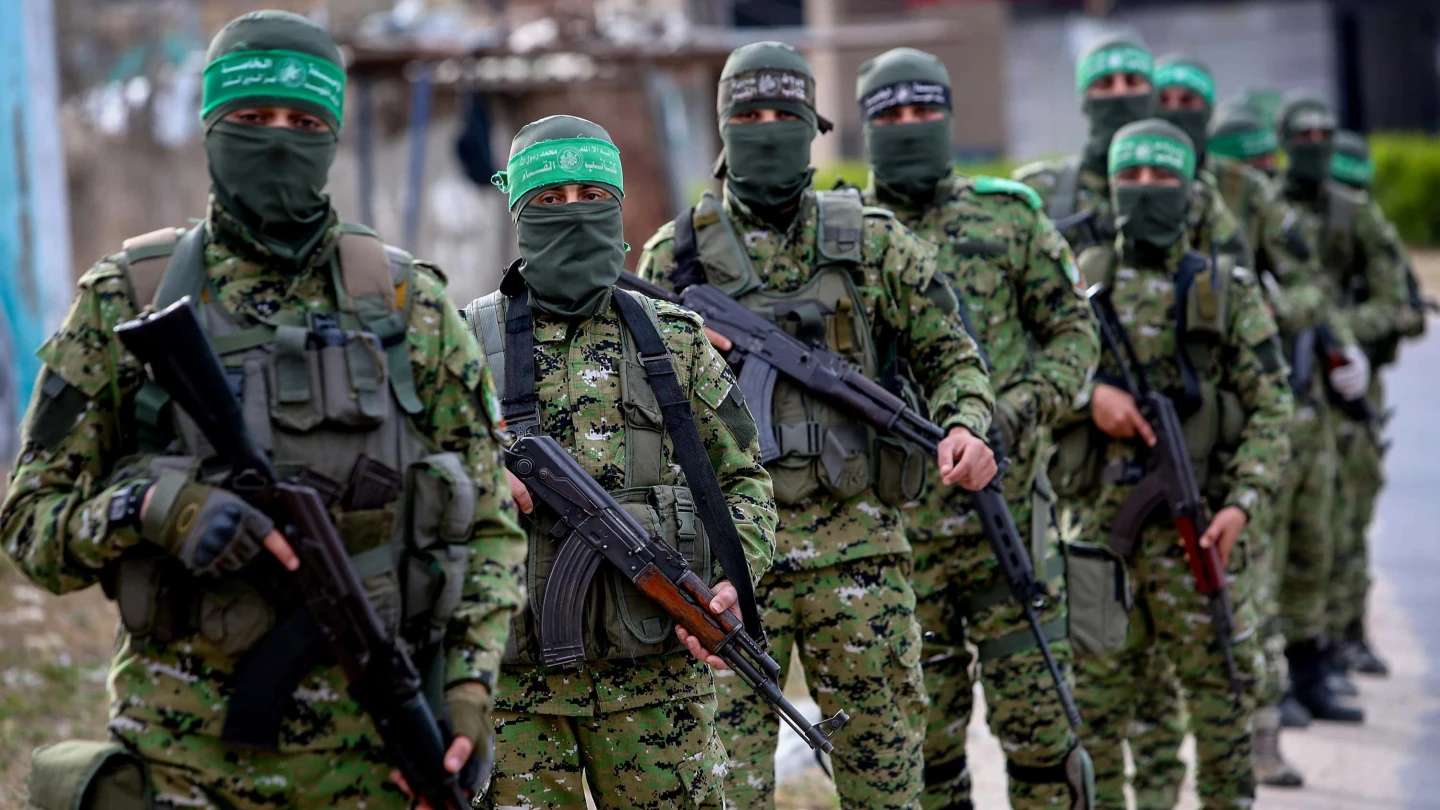
This campaign of vilification is not happening in a vacuum. Tuscany’s regional president, Eugenio Giani, pressured Carrai to resign from Florence’s Meyer Hospital board. Florence’s city council voted to sever ties with Israel on the basis of a grotesque document that accused Israel of using rape as a weapon of war—this, after the documented mass rapes committed by Hamas on Oct. 7, 2023.
Local co-ops have joined in by removing Israeli products from their shelves, while demonstrators chant in Piazza della Signoria.
This is not principled dissent. It is political opportunism cloaked in moral language. And it crosses a dangerous line: from rhetoric into incitement to murder. Posters circulating in Florence list Carrai’s name, photo, and birthdate, stamped “WANTED,” and label him an “agent of Zionism” and “complicit in genocide.” Far-left Marxist-Leninist social centers with jihadist ties openly back the campaign.
Carrai is not an isolated target. He is simply one of the most visible examples of a broader problem: in today’s Italy, supporting Israel—whether Jewish or not—has become dangerous. In so-called “red regions,” you live one step away from a pogrom. Crowds are inflamed, unions and activist groups join forces with pro-Hamas voices, and the internet amplifies every lie about Gaza.
The facts are irrelevant. Carrai was among the first to bring Gazan children to Italian hospitals. He facilitated food aid into Gaza via Israel’s port of Ashdod. None of this matters. To the mob, saying the word “Israel” is enough to unleash hatred.
Thankfully, there are voices of courage. One hundred Italian intellectuals and journalists have signed a letter defending Carrai, denouncing the twisted logic of his persecution: “If you are Jewish, or a friend of Jews, you cannot hold public office.” That logic echoes the darkest chapters of Europe’s past.
Meanwhile, others fan the flames. Governors like Michele Emiliano of Puglia, Michele De Pascale of Emilia-Romagna, and Bologna’s mayor Matteo Lepore have rushed to sever ties with Israel, as if Italy were a federal state free to make its own foreign policy. Their moves are not governance—they are a dog whistle to a mob intoxicated by Hamas propaganda and daily fed lies about casualty figures and aid.
Carrai’s ordeal is not just about one man. It is about whether Italy—and Europe—will allow lies and hatred to push us back toward the abyss. Antisemitism is once again dressed up as “progressivism.” But the message on Florence’s walls is clear: support Israel, and you are marked for attack.
The truth must also be clear: this is not a humanitarian cause, nor a fight for rights. It is the oldest hatred, reborn. And unless it is confronted, it will consume not only Carrai, but the very democratic values his enemies claim to defend.