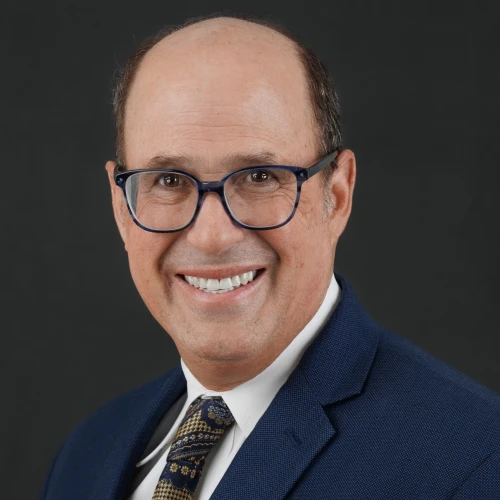
Naftali Bennett
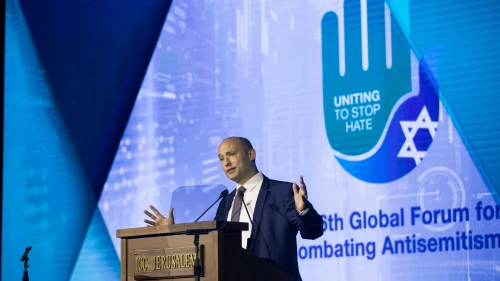
In an interview with Israel Hayom, Education Minister Naftali Bennett explains why he withdrew his demand to be made defense minister • According to game theory, the first one to blink loses.
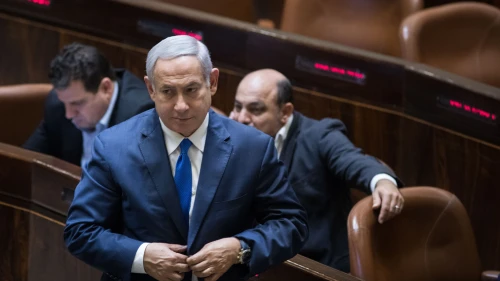
Early elections remain a likely scenario if Israeli Prime Minister Benjamin Netanyahu fails to stabilize his now-narrow coalition, following the resignation of Defense Minister Avigdor Lieberman and a threat by Education Minister Naftali Bennett to bring down the government if he didn’t receive the vacant defense post.
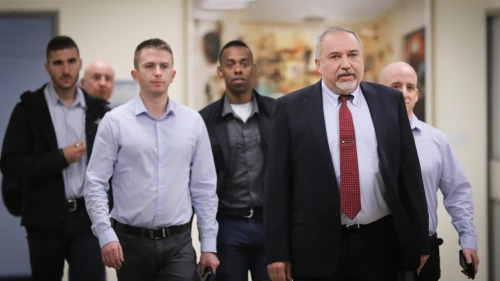
Israeli Prime Minister Benjamin Netanyahu rejected Education Minister Naftali Bennett’s demand and appointed himself defense minister, thereby nearly guaranteeing Likud a bump in the polls in the next elections, scheduled for November 2019.
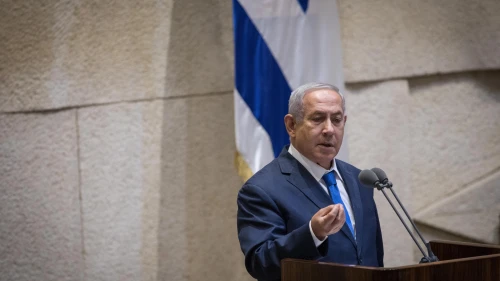
After Defense Minister Avigdor Lieberman’s resignation sparks a potential political crisis, Israeli Prime Minister Benjamin Netanyahu names himself defense minister and explains that early elections would be unwise at this time, given the complex security threats facing Israel.
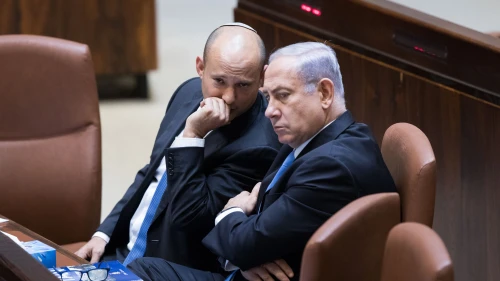
The threat of early elections is seemingly lifted as Habayit Hayehudi leader Naftali Bennett pulls his demand to be named defense minister and says he will stand by Israeli Prime Minister Benjamin Netanyahu.
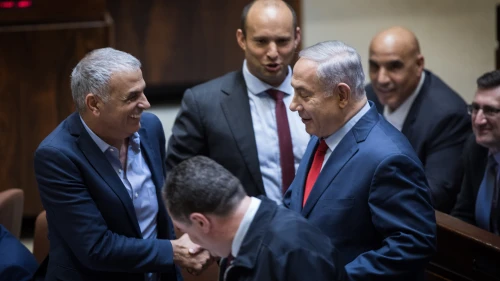
Ahead of the recent Gaza flare-up, the idea of early elections had already been floated by members of the government, as well as by members of the opposition.
Ongoing speculation revolves around the Jewish Home Party, headed by Education Minister Naftali Bennett, leaving the governing coalition.
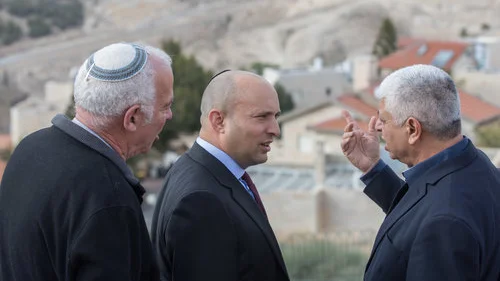
Hours after Defense Minister Avigdor Lieberman announces his resignation, Israeli Prime Minister Benjamin Netanyahu begins intense talks to ensure government stability.

Israeli President Reuven Rivlin, taking part in the first day ceremonies told students: “You can be prime ministers, and, of course, presidents of the country. You can be ministers or Knesset members. ... The boys and girls here are the future of the State of Israel.”

Jewish Home Party co-authors of the bill, Education Minister Naftali Bennett and Shuli Mualem-Refaeli, said the law would also apply to institutions that attempt to delegitimize Israel abroad.

Calling the current situation unacceptable, Knesset committee says regulation of communities established in Judea and Samaria is “national mission of the highest order” • Prime Minister’s Office blames bureaucracy for delays, insists progress being made.

University code of ethics limits political agendas in Israeli classrooms
The new code also halts discrimination for or against students by the lecturer as a result of their political views, and prohibits any connection or public support of academic boycotts of Israeli institutions.