A vast network of more than 2,200 nonprofit organizations provides food assistance to Israelis, relying on some 170,000 volunteers and billions of shekels in resources, according to a new study that also found significant gaps in the distribution, coordination and oversight of aid.
The study, conducted by researchers from the Hebrew University of Jerusalem and Sheba Medical Center, identified 2,289 active food-aid NGOs across Israel, providing the first comprehensive national mapping of a system that has grown significantly as the country grapples with widespread food insecurity.
Among organizations that report financial data, annual turnover reached 6.18 billion shekels ($1.9 billion), with more than 28,000 employees and 170,000 volunteers involved in their operations. Yet only 13% of their funding comes from the state, leaving the network overwhelmingly dependent on philanthropy.
The findings come against the backdrop of continuing economic pressures since the Hamas attacks on Oct. 7, 2023, and the ensuing war.
In 2024, 27.1% of Israeli households—about 968,000 households comprising 2.8 million people, including more than 1 million children—experienced food insecurity for economic reasons, according to Israel’s National Insurance Institute.
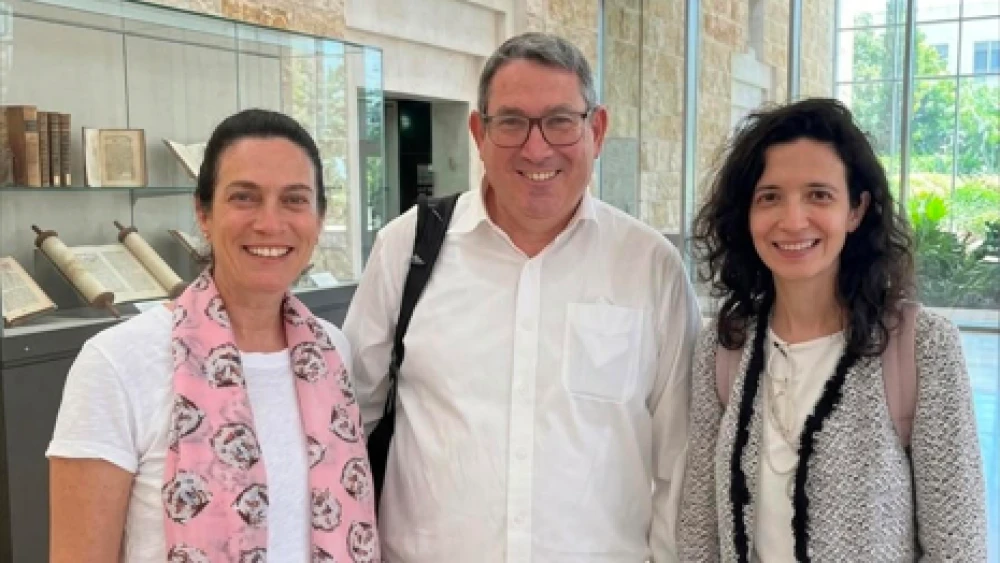
The study, “Philanthropic food assistance in high-income countries: Lessons from Israel’s food-aid network,” was published in the journal Food Policy. It was conducted by Moran Accos and Prof. Aron M. Troen of Hebrew University and Dr. Orly Tamir of Sheba Medical Center.
The researchers found that while Israel’s charitable sector plays a major role in meeting immediate needs, its highly decentralized structure has produced disparities in where and how assistance is provided.
Most of the organizations operate locally and distribute food products rather than vouchers, often without standardized reporting on what recipients receive or the nutritional value of the assistance. In most of the NGOs examined, moreover, food assistance was a secondary rather than primary activity.
The geographical disparities were particularly pronounced.
Although Arab households experience higher rates of food insecurity, just 4% of food-aid NGOs operate in Arab communities, according to the study. Meanwhile, 29% operate in the Jerusalem district, compared with only 9% in Israel’s Northern District, despite comparable levels of need.
The researchers also found little systematic information about food quality, the contents of aid baskets or nutritional standards.
They argue that the fragmentation could diminish the impact of the substantial financial and human resources already devoted to food assistance. Better coordination of even a portion of those resources, they estimate, could significantly reduce severe food insecurity.
“From a health system perspective, food insecurity is not only a social issue but a clinical one,” Tamir said. “When access to adequate nutrition depends on fragmented charitable systems, the consequences are reflected in population health, disparities and long-term system burden.”
The researchers said that Israel reflects a broader phenomenon in wealthy countries in which charitable food organizations increasingly serve as a form of unofficial welfare infrastructure.
Such organizations can respond quickly to immediate needs, but can also leave governments less pressure to develop comprehensive, long-term policies, according to the study.
“Our findings show both the strength and the limits of philanthropy,” Troen said. “Civil society does extraordinary work, but a modern state cannot rely on charity alone to ensure access to healthy food. The real question is whether aid is being delivered equitably, effectively, and transparently—and whether philanthropy is complementing public responsibility or being asked to replace it.”
Accos said the challenge extends beyond periods when charitable giving traditionally receives greater public attention.
“Helping families facing food insecurity is an immediate moral imperative,” she said. “But the policy challenge is year-round. A country cannot treat food security only as a temporary or seasonal act of generosity. It must also ask whether the system is fair, whether it reaches those most in need, and whether public institutions are taking sufficient responsibility.”
The authors recommend greater government oversight of the food-aid system, standardized reporting requirements and nutritional standards, as well as closer coordination between government agencies and charitable organizations.
Their conclusion is that Israel’s extensive philanthropic network remains indispensable to many families but cannot substitute for a national food-security strategy.
Charity matters, they argue, but charity alone is not a food-security policy.