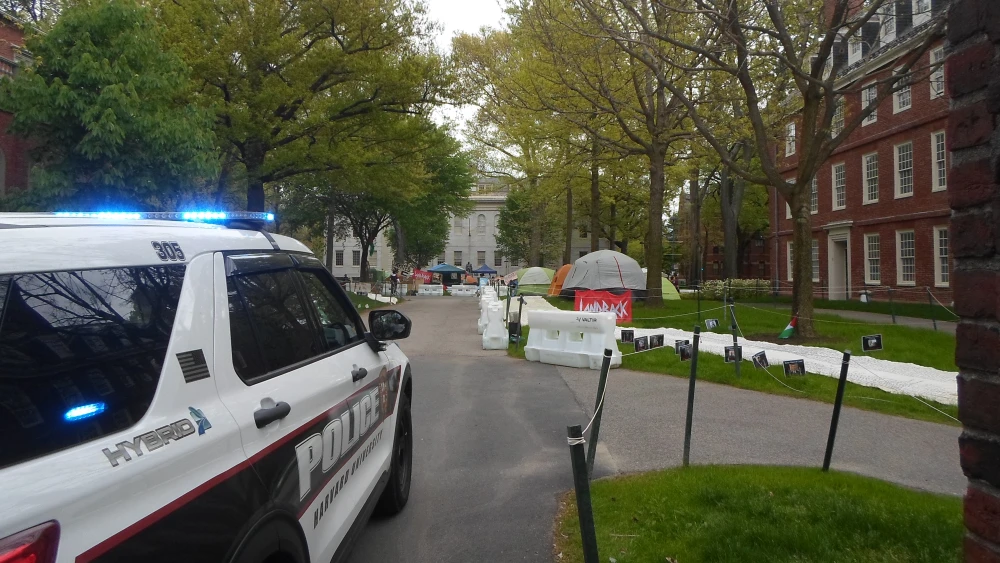
After the Democrats retook the House and Senate in the U.S. midterm elections, in what is widely being called a blue “tsunami,” experts told JNS that they expect the Judiciary Committees of both houses of Congress to focus more on probing the Trump administration and less on investigating Jew-hatred on campuses.
“Expect hearings about funding conditions, civil rights enforcement and the treatment of foreign students involved in campus activism,” Ilya Shapiro, senior fellow and director of constitutional studies at the Manhattan Institute, told JNS. “My concern is that universities will interpret that shift as a reprieve from accountability.”
The Senate and House panels will likely conduct “aggressive investigations” of the U.S. Justice Department, the FBI, “immigration enforcement, presidential pardons and allegations of political favoritism and self-dealing,” according to Shapiro.
The scholar expects a “shift from university administrators to the federal officials investigating them,” he said.
Sen. Sheldon Whitehouse (D-R.I.) will likely become chair of the Senate Judiciary Committee, whose ranking member, Sen. Dick Durbin (D-Ill.), is retiring.
The Rhode Island senator will “bring his longstanding campaign against the Supreme Court’s conservative majority, and interest groups that file amicus briefs, to a much larger platform,” Shapiro predicted.
“Senate Judiciary’s control over judicial and DOJ nominations gives it substantial additional leverage,” he told JNS. “Trump will have a much harder time getting his people confirmed, and indeed very few, if any, judges will be confirmed.”
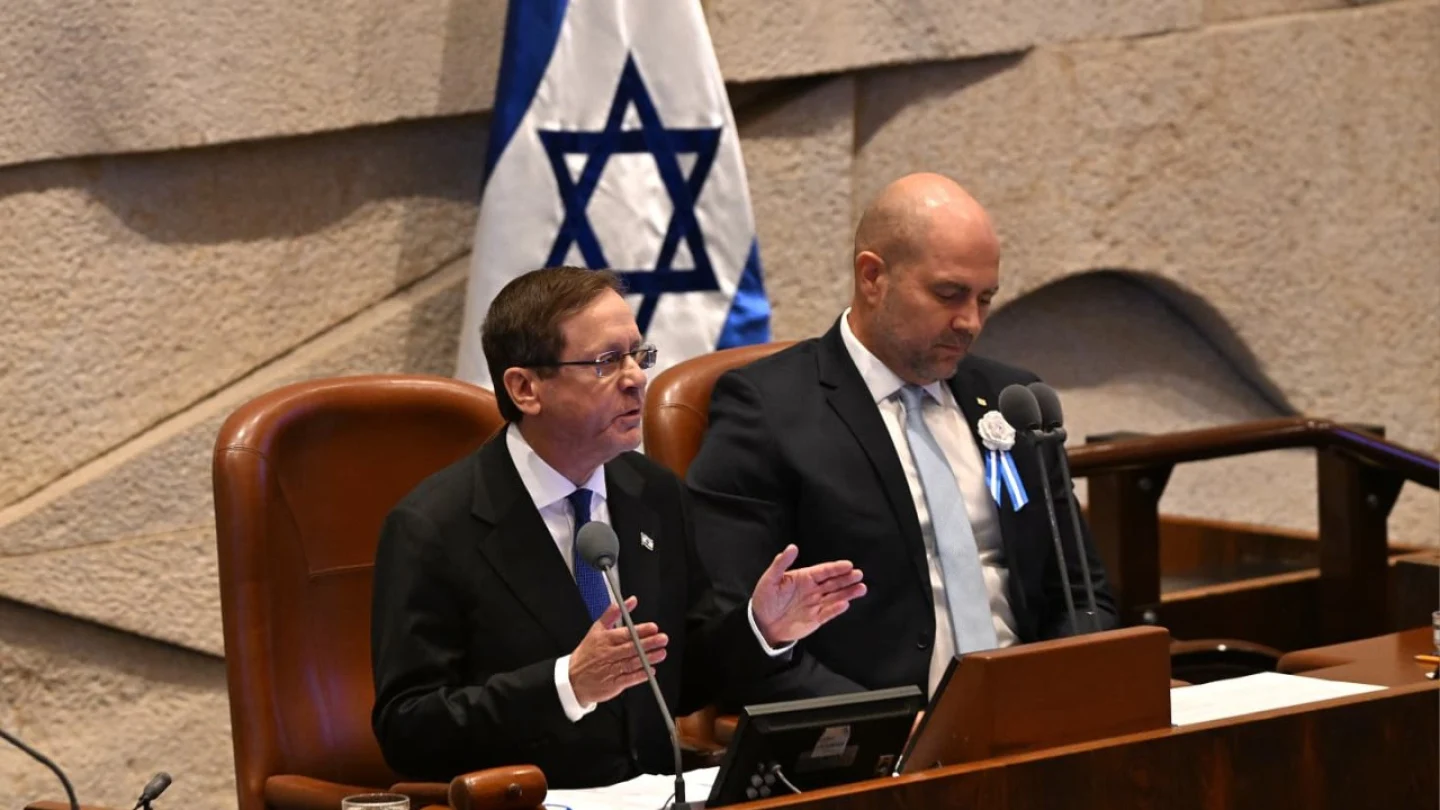
Mark Goldfeder, CEO and director of the National Jewish Advocacy Center, told JNS that Rep. Jamie Raskin (D-Md.), who will likely chair the House Judiciary Committee, has indicated that he will use the panel’s subpoena power to probe the prosecutions of former FBI director James Comey, New York Attorney General Letitia James and former CIA director John Brennan.
The Jewish Maryland congressman will also likely use the committee’s subpoena power to probe U.S. Immigration and Customs Enforcement, pardons, the $1.8 billion Anti-Weaponization Fund that was rescinded in August, the Trump administration’s decision to fire career prosecutors and “law firms that made deals with the White House last year,” according to Goldfeder.
Raskin has also “floated impeachment hearings” for Todd Blanche, U.S. attorney general, Goldfeder told JNS.
Whitehouse’s “leverage is less dramatic but harder to stop, because it is the calendar,” according to Goldfeder.
“There were 22 judicial nominees pending as of last week,” he told JNS. “Anyone not confirmed in the lame duck starts over in front of him, and he has long thought the Senate gave away too much of its role in nominations.”
‘Genuine reversal’
After Harmeet Dhillon resigned as assistant U.S. attorney general for civil rights following the midterms, the department has no Senate-confirmed head of its civil rights division, which “runs through” the Senate Judiciary Committee, according to Goldfeder.
Goldfeder expects a “genuine reversal” in the ways the House and Senate judiciary panels approach campus Jew-hatred under new Democratic leadership.
Rep. Jim Jordan (R-Ohio) talked about “moving antisemitism bills through Judiciary before the term ended” and Raskin “has an open investigation into the investigators,” Goldfeder told JNS.
In August, Raskin wrote to Dhillon that her probes of campus Jew-hatred were “fake, a pre-baked frame-up operation” and asked that she appear before the panel for a transcribed interview and provide it with documentation of the matter.
“He wrote that as ranking member with no way to compel any of it,” Goldfeder told JNS. “In January he can.”
“I would expect the whistleblower testifying under oath, the Columbia and Brown settlements reframed as extortion and the August dismissal of the Harvard suit held up as proof,” he said.
Whitehouse “has no real record on campus antisemitism,” according to the legal expert.
The senator’s “home-state school,” Brown University, “is one of the three in the whistleblower complaint, and the last time Democrats ran that committee after Oct. 7, every Republican member asked in writing for an antisemitism hearing and got, months later, a general hearing on hate,” Goldfeder said.
Sen. Chuck Grassley (R-Iowa), outgoing chair of the Senate Judiciary Committee, said at the time that “a hearing about everything is a hearing about nothing,” Goldfeder told JNS.
“I expect we will see that hearing again under more or less the same title,” he said.
Tyler Stapleton, senior director of government relations at FDD Action, an affiliate of the Foundation for Defense of Democracies, told JNS that Raskin will “focus on Trump’s cabinet,” including launching impeachment proceedings against Pete Hegseth, U.S. secretary of defense.
“The committee has typically been where articles of impeachment have originated,” Stapleton said. “He will likely also investigate areas where the Trump family may be benefiting from government deals and contracts supported by the president.”
Stapleton expects Whitehouse to “concentrate on judicial nominations, which will likely be highly scrutinized in a way the administration has not previously had to reckon with.”
Whitehouse “will also focus on oversight of the Department of Justice, including how the department has administered immigration policy and enforcement, such as ICE detentions and prosecutions,” Stapleton told JNS.
He expects probes of campus Jew-hatred to move from the judiciary panels to the House Education and the Workforce Committee and the Senate Committee on Health, Education, Labor and Pensions, he told JNS.