U.S. President Donald Trump said on Monday that unfrozen Iranian funds would be used to buy American agricultural products.
Speaking to the press in the Oval Office during a signing ceremony for an executive order on quantum technology, the president said that the negotiations between the United States and Iran in Switzerland had gone “very well.”
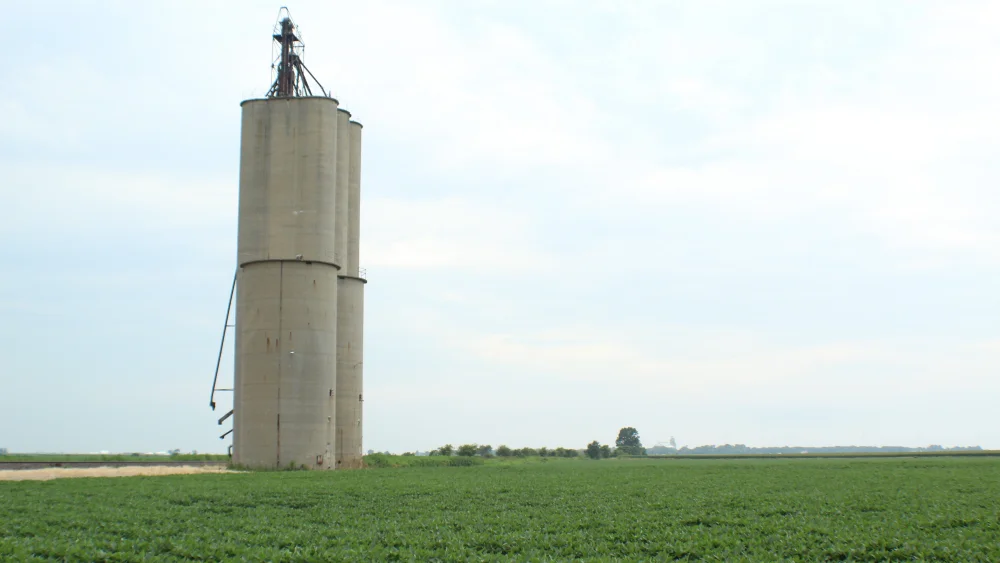
“Money that’s being unfrozen is going to be used to buy food, and the food’s going to be bought exclusively through the United States from our farmers,” Trump said. “Corn, soybeans, all of the things they need are going to be bought from our farmers. So our farmers are very happy.”
It’s not clear to what unfrozen money Trump referred. The Trump administration issued a 60-day sanctions waiver on Iranian oil earlier on Monday, allowing the regime to produce, deliver and sell its petroleum without restrictions.
Iran also has an estimated $100 billion in frozen funds held in accounts around the world, including some $6 billion in Qatar.
U.S. Vice President JD Vance told reporters that Qatar had helped negotiate a mechanism “to ensure that the money goes where we want it to go.”
“That money is not going to be unfrozen unless we continue to see progress, and that will obviously be a big part of the negotiation in the days to come,” Vance said, as he departed negotiations with Iran in Switzerland on Monday.
In 2023, the Biden administration made a similar effort to unfreeze Iranian assets in exchange for the release of American prisoners held in Iran and an agreement that Iran would limit its purchases to humanitarian goods.
Critics of that deal, including Israeli Prime Minister Benjamin Netanyahu, argued that money is fungible, and freeing up Iranian money in one domain would allow it to fund terrorist proxies.
The Biden administration ultimately halted the plan after the Oct. 7 attacks but not before Iran accessed funds it held in Oman for use in two “transactions.”
Trump told reporters on Monday that Iranians “desperately need” the money for food.
“They have 91 million people. They can’t feed them,” Trump said. “The money that we lift is gonna go to our farmers.”