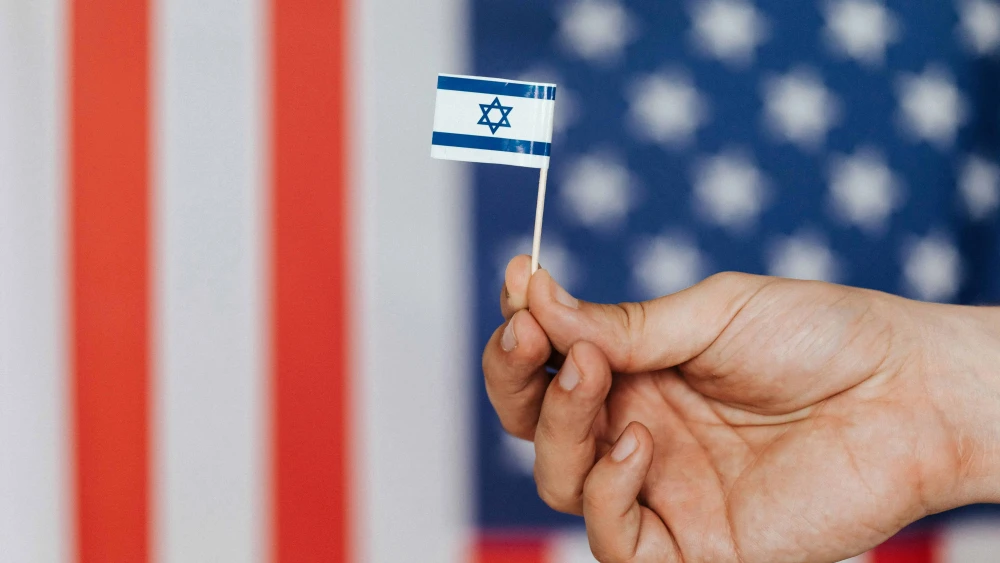
Only 23% of Americans feel “very comfortable” sharing their views on the Israeli-Palestinian conflict “without fear of reprimand,” according to a survey released on Tuesday by the Foundation for Individual Rights and Expression.
The quarterly National Speech Index, designed by FIRE and conducted by the Dartmouth Polarization Research Lab, surveyed 1,000 Americans from July 7-20. It has a margin of error of 3 percentage points.
The poll found that 31% said they feel somewhat comfortable discussing the conflict, while 31% said they are not very comfortable and 14% are not comfortable at all.
Asked how comfortable they were sharing their views about the war in Iran, just 29% of respondents said they were very comfortable.
Respondents were also asked how often in the past month they had watched what they said or censored their comments, questions or words, with only 8% saying they had done so nearly every day, while 32% said, “occasionally, a handful of times.”
“Ideally, everyone should be comfortable expressing their opinions about key topics of debate, but most Americans don’t appear to feel that way,” said Nathan Honeycutt, FIRE’s manager of polling and analytics.