The U.S. Department of the Treasury sanctioned “some of the last significant elements of Iran’s failing industrial infrastructure” on Thursday, including the regime’s railroad and automotive conglomerates.
With a U.S. blockade of the Strait of Hormuz still in place and secondary sanctions all but shutting down Iranian air travel abroad, the “rail and automotive sectors represent some of the regime’s largest remaining sources of revenue and logistical capacity,” the department said.
The new designations strike “directly at the critical arteries Iran relies on to sustain its economy and evade sanctions,” the department stated.
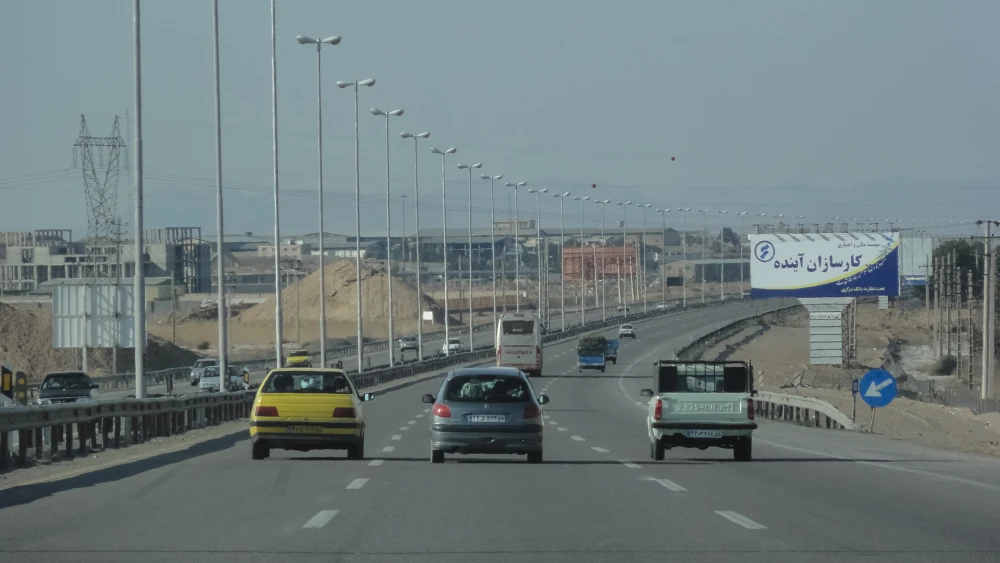
Two companies representing some 90% of the domestic auto market were sanctioned, along with various subsidiaries and the country’s largest motorcycle manufacturer.
The department also sanctioned key auto parts exporters from Indonesia, the United Arab Emirates, Turkey and Hong Kong that “continue to export key automotive parts to sustain Iran’s auto industry and evade U.S. sanctions.” So were key passenger and freight rail servicers, both state and privately owned.
The federal government also sanctioned domestic and foreign metals manufacturers and components of a steel and oil export network spanning China, Germany and the Dominican Republic.
The designations fall under “Operation Economic Outcast,” which the Treasury Department launched in late August, to isolate the Islamic Republic and choke its revenue streams.
“The Iranian regime’s ability to fund its war machine and inflict terror on the world has been severely diminished thanks to ‘Operation Economic Outcast,’” stated Scott Bessent, U.S. treasury secretary.
“Today’s action directly targets Iran’s enablers and lays the groundwork for the United States and our partners to drain the regime’s revenue once and for all,” he stated.