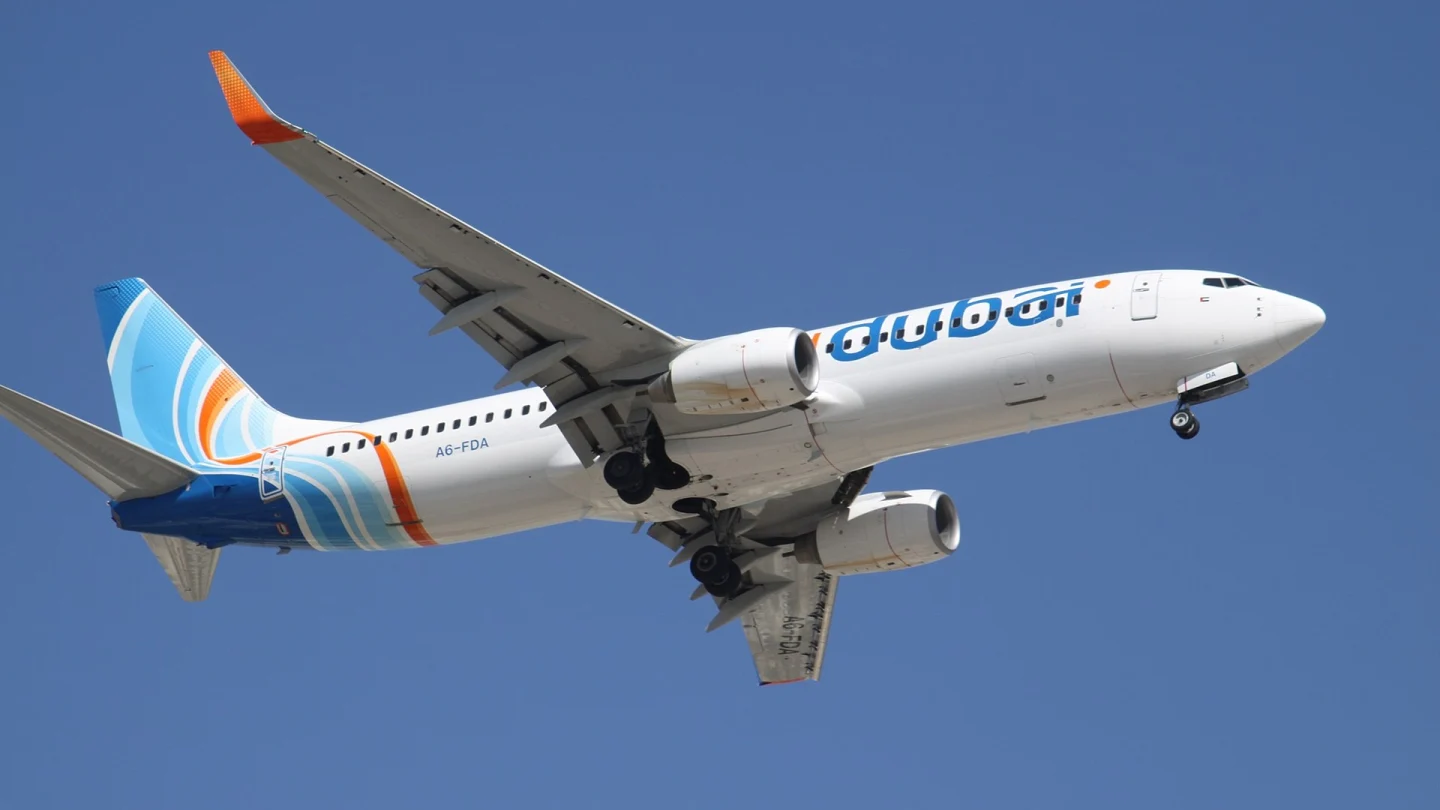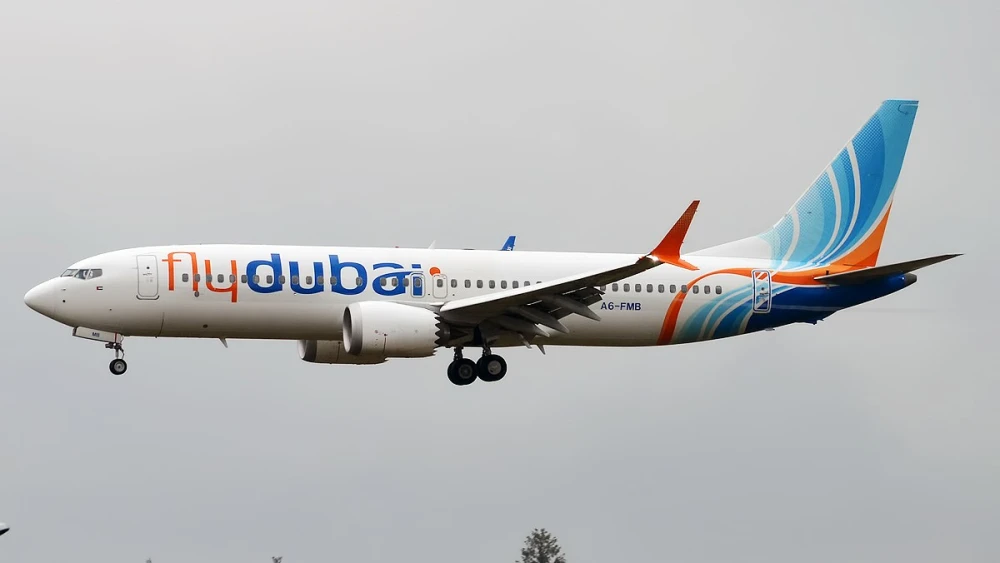
Flydubai, the low-cost sister carrier of the United Arab Emirates’ Emirates airline at the center of a suspected hijacking on Wednesday, was long one of the symbols of peace between Israel and the Gulf state.
The Dubai-based carrier, which operates up to 10 daily flights between Dubai and Tel Aviv, was, along with Abu Dhabi’s national carrier Etihad, among a handful of foreign carriers that continued to fly to Israel almost incessantly throughout three years of regional war, even when U.S. airlines stayed away.
Israeli Prime Minister Benjamin Netanyahu said one of the pilots, who was identified as an Omani national, stabbed a co-pilot in an attempt to cause a crash landing.
The aircraft, which was traveling over Jordanian airspace at the time, descended nearly 14,000 feet in less than 30 seconds and made an emergency landing in Saudi Arabia.
Miri Regev, Israel’s minister of transport, national infrastructure and road safety, urged Netanyahu to ban flydubai flights from landing until an investigation of the incident was complete. She reportedly got into a heated closed-door dispute with Israeli security officials over her proposal.
A former Israeli envoy to the UAE pushed back and cautioned against rushing to blame flydubai after the apparent hijacking attempt.
“Flydubai and Etihad are the only two airlines in the world that continued flying to Israel even during the most difficult times,” Amir Hayek wrote. “The UAE and the airline deserve for us to set aside speculation and allow them to thoroughly investigate what actually happened. I trust them.”
Founded nearly two decades ago, flydubai’s first scheduled commercial flight to Tel Aviv landed on Nov. 26, 2020, shortly after the landmark signing of the Abraham Accords that September, which saw four Arab nations, led by the UAE, normalize ties with Israel.
Over the last six years, the Gulf state has become a highly popular destination for Israelis.
Last year, the carrier flew more than 800,000 passengers on the route, becoming the sixth-largest carrier at Israel’s Ben-Gurion International Airport and flying nearly 5% of all its travelers, according to figures from the Israel Airports Authority.
Over the last six years, the carrier has carried out emergency landings in Saudi Arabia while servicing the route for both medical and technical reasons. Many passengers flying to and from Israel from the United States also connected with flydubai when U.S. carriers were not flying to Tel Aviv.
Meanwhile, some Israelis vacationing in Dubai on Wednesday sought to change their return flights to Israel’s national carrier El Al, which also serviced the popular route until the war in Iran this winter. The Israeli airline and its smaller rivals immediately sought to accommodate additional bookings, with special repatriation flights expected over the next week.
By evening, it was a flydubai rescue flight whose pilots were screened by the Mossad that was bringing home Israelis stranded in Saudi Arabia after the kingdom turned down Israeli attempts to send its own plane to bring the passengers home.