


The U.N. nuclear watchdog reported that it has been unable to track Iran’s stockpiles of enriched uranium since the 12-day war (“Operation Rising Lion”) in June 2025, the Associated Press reported on Thursday.
In a document circulated to U.N. member states and seen by AP, the International Atomic Energy Agency wrote that it “cannot provide any information on the current size, composition or whereabouts of the stockpile of enriched uranium in Iran or whether Iran has suspended all enrichment-related activities.”
The IAEA warned that it was “unable to discharge its safeguards responsibilities” that it has under the Safeguards Agreement of the Nuclear Non-Proliferation Treaty, adding that it is “indispensable and urgent” for Tehran to implement its obligations under that treaty, according to AP.
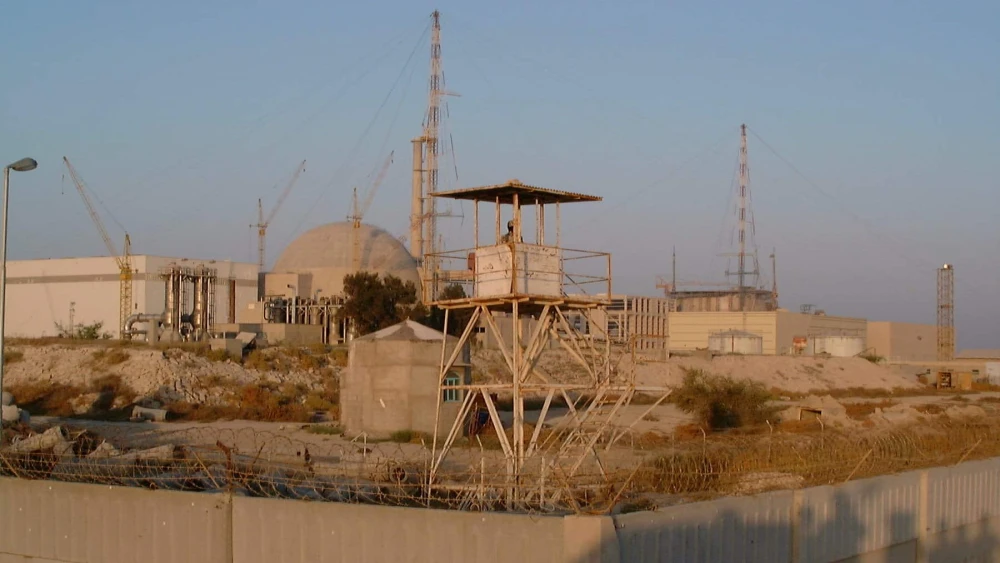
For the first time since February, IAEA inspectors visited Iran’s Bushehr Nuclear Power Plant this week, the report continued.
Uranium at the site imported from Russia is enriched to 4.5%, much lower than the 60%-level purity of a 440 kilograms (972 pounds) stockpile of enriched uranium, according to the nuclear watchdog, whose whereabouts is unknown.
The 60% mark is a short step from weapons-grade levels of 90%. The 440 kilograms of enriched uranium can reportedly be used to build as many as 10 nuclear bombs.
In the IAEA report, the body’s director general Rafael Grossi is quoted as reiterating his “full support to the negotiations underway aimed at finding a mutually acceptable solution to issues related to Iran’s nuclear program, and his readiness ... to support an eventual agreement.”
While talks between Washington and Tehran to end the conflict have focused on the reopening of the Strait of Hormuz to ensure safe transit of commodities, Iran’s nuclear project remains a serious point of contention. U.S. President Donald Trump has reiterated his stance that the enriched uranium must be handed over to the United States, and Tehran must ensure that it will not pursue nuclear weapons.



