We live in a formative time, with fewer and fewer survivors who can tell us what happened, which calls for intensified efforts to commemorate the Holocaust. Deniers should never be allowed to falsify the history of the worst crime against humanity.
On Oct. 13, Swedish Prime Minister Stefan Löfven will be hosting the Malmö International Forum on Holocaust Remembrance and Combating Antisemitism, Remember ReAct, with Israeli President Isaac Herzog as one of the main speakers. The forum aims to jointly take concrete steps on Holocaust remembrance and the fight against anti-Semitism.
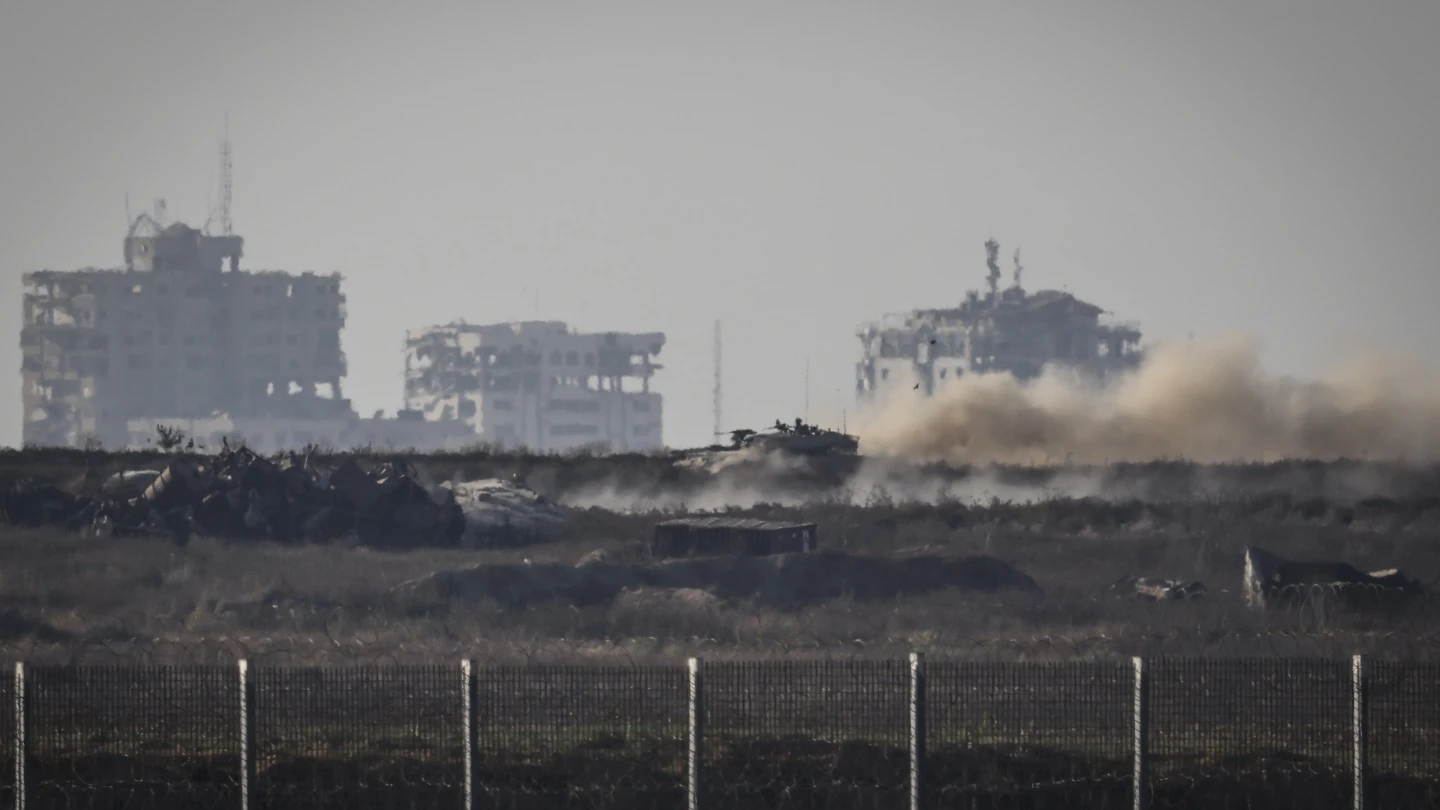
During the pandemic we saw it again—when there is a crisis in the world, some will always blame the Jews. And during the recent flare-up of the Gaza conflict, Europe witnessed an appalling rise in anti-Semitism and hate crimes against Jews—in Sweden as well. In Malmö, a 12-year-old Jewish girl found a derogatory comment about Israel written by her cloakroom hook in school. In Gothenburg, a man wearing a kippah to show solidarity with his Jewish friends was assaulted. I am repulsed by these heinous acts and the hatred aired publicly and online. Anti-Semitism is a poison that must be fought.
Going back to the personal engagement of Prime Minister Göran Persson, who in 1998 initiated the International Holocaust Remembrance Alliance (IHRA), successive Swedish governments have sought ways to combat anti-Semitism, with an emphasis on education. In these efforts, Israel and Yad Vashem have been indispensable allies.
This has yielded results, but much work remains. A recent report by a Swedish expert agency indicates a decrease in anti-Semitic prejudices among Swedes. But it also concludes that anti-Semitism is more prevalent among older people, persons born outside of Europe and persons of the Muslim faith.
The positive development does not mean that the battle is won, and the fight against anti-Semitism remains a priority of the Swedish government. In January 2020, Prime Minister Löfven invited world leaders, academia and NGOs to attend the Malmö Forum. Delegations have been invited to present pledges, consisting of new and concrete initiatives.
The Swedish government has fully endorsed the IHRA’s working definition of anti-Semitism. Next year, a museum to preserve the memory of the Holocaust will be established in Stockholm. Educational efforts on teaching about the Holocaust and anti-Semitism have been strengthened. Funding has been made available for educational trips to Holocaust memorial sites.
In the fight against anti-Semitism, Sweden wants to work even closer with Israel, Yad Vashem and Jewish organizations. We look forward to Israeli participation, including by President Herzog, in the Malmö Forum. Let us learn from each other and work together—fighting anti-Semitism is to stand up for civilized societies.
Erik Ullenhag is Sweden’s ambassador to Israel.
This article first appeared in Israel Hayom.