
Diplomacy was never intended to enable terrorism, nor was diplomatic immunity designed to protect clandestine operatives threatening free nations. Yet the Islamic Republic regime in Iran has repeatedly exploited international engagement while advancing a revolutionary ideology hostile to the United States, Israel and the democratic West.
The central question is no longer whether Tehran has abused diplomatic protections; documented cases show that it has. The question is why Western governments have so often responded with diplomatic caution rather than determined accountability.
Understanding that failure requires examining the revolution that created the regime, the security apparatus it built and the foreign operations that followed.
The Khomeinist revolt of 1979 brought together Islamist terrorist entities, Marxist-Leninist radicals and factions united by opposition to the late Shah. Fada’iyan-e Islam, the Islamic Coalition, the Freedom Movement, the Mojahedin-e Khalq, the Tudeh Party and other cults differed profoundly in ideology and ambition.
Nevertheless, their participation in the revolutionary upheaval helped create the circumstances in which Ruhollah Khomeini consolidated power. What followed was not the democratic liberation promised in revolutionary slogans but an authoritarian theocracy that institutionalized repression and exported ideological militancy. Iran’s national interests were increasingly subordinated to the survival and ambitions of a revolutionary ruling establishment.
Diplomatic immunity must never become immunity from accountability.
One bitter irony of this is that some veterans of the revolutionary era now present themselves as defenders of democracy and historical justice while demanding that their own records escape scrutiny.
The continuing controversy surrounding Parviz Sabeti, a former senior official of Iran’s pre-revolutionary SAVAK intelligence agency, illustrates the unresolved struggle over Iran’s pre-revolutionary history. Allegations against SAVAK warrant serious examination, but so does the Islamic regime’s record of supporting armed terrorist groups involved in bombings, attacks and political coercion.
Historical accountability cannot become selective justice. Those who denounce the monarchy overthrown by the Islamic revolutionaries must also confront the violence and ideological extremism of organizations that helped destroy it. Nor should the anti-American rhetoric of that revolutionary generation be forgotten simply because some later settled in Western democracies.
The Islamic Revolutionary Guard Corps (IRGC) emerged from Khomeini’s new order and evolved into an ideological military and intelligence powerhouse. Its mission extended beyond conventional territorial defense. Through its Quds Force and affiliated networks, Tehran cultivated armed allies and projected influence across Lebanon, Iraq, Syria, Yemen and beyond. Hezbollah and other Islamic terrorist organizations became central to its asymmetric strategy.
But the regime’s ambitions were never confined to regional battlefields. Intelligence activity overseas, intimidation of opponents, and documented abuses of diplomatic status have raised grave questions about how Tehran uses the privileges granted to its representatives abroad.
Consider Assadollah Assadi.
In 2021, a Belgian court convicted the Iranian diplomat for his role in a foiled 2018 bombing plot against an Iranian opposition gathering in France. His release in a controversial prisoner exchange in 2023 did not erase the conviction or its implications. American prosecutors have likewise brought cases involving alleged Iranian-directed plots against dissidents on American soil. These cases do not establish that every Iranian diplomat is a terrorist or every embassy an operational headquarters. They establish something serious enough: Diplomatic credentials cannot be treated as proof of peaceful intentions, and credible allegations of covert activity demand rigorous investigation.
Canada demonstrated that diplomatic relations are a choice, not an obligation. In 2012, Ottawa closed its embassy in Tehran and expelled Iranian diplomats, citing serious concerns about the regime’s conduct.
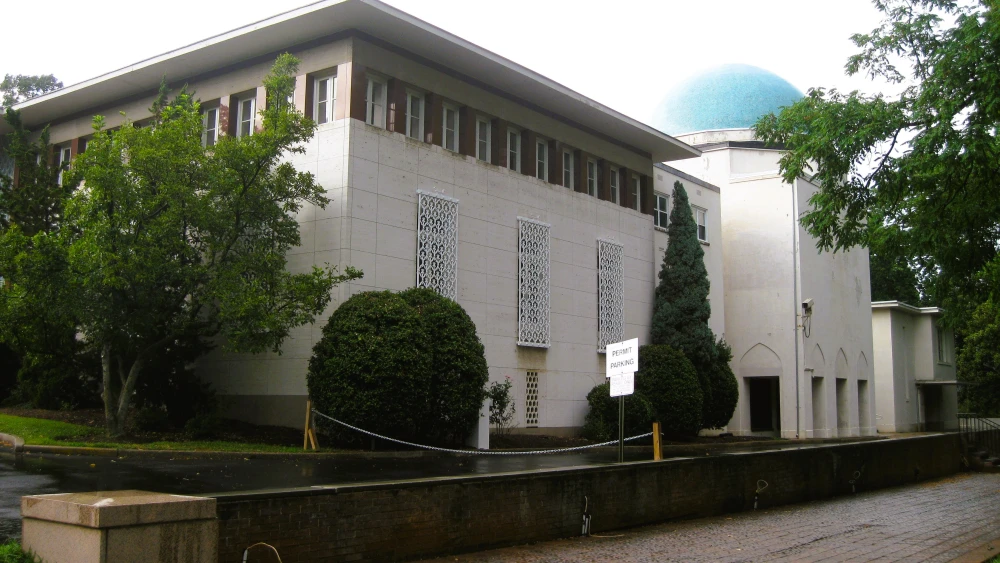
Washington severed diplomatic relations in 1980, although Iran still maintains an Interests Section under Pakistan’s diplomatic protection in the American capital. European governments have confronted Iranian intelligence threats while continuing diplomatic engagement.
Dialogue can serve legitimate purposes, but it must never become a substitute for national security. When substantiated evidence connects diplomatic personnel to clandestine operations, governments must be prepared to impose restrictions, expel officials, prosecute crimes where jurisdiction permits and shut down implicated missions.
The free world must draw a line between legitimate diplomacy and the abuse of diplomatic privilege.
Western intelligence services, including the CIA, MI6, Mossad, Germany’s BND and Canada’s CSIS, have responsibilities to identify hostile foreign operations and protect vulnerable communities. Their governments should coordinate counterintelligence investigations, expose covert networks, disrupt illicit financing and protect dissidents facing transnational threats.
Intelligence assessments must be tested against evidence, not turned into sweeping accusations against every diplomatic employee. But the opposite failure is equally dangerous: allowing the rituals of diplomacy to overshadow credible warnings. National security requires precision and resolve, not ceremonial condemnations followed by business as usual.
For decades, Western policymakers have searched for supposedly moderate factions capable of transforming the Islamic Republic. Presidents changed, European governments negotiated, commercial incentives were offered and diplomatic initiatives were celebrated as breakthroughs. Yet the institutions sustaining clerical power endured. The IRGC, its intelligence apparatus and the ideology of revolutionary guardianship remained pillars of the system.
Engagement without consequences risks becoming accommodation. Western democracies cannot claim to defend freedom while overlooking documented intimidation or covert operations linked to a foreign government. Nor should they mistake a change in presidential rhetoric in Tehran for the dismantling of the security institutions that exercise enduring power.
Iran’s future belongs to its people, not to the architects of the 1979 revolution or those who now romanticize its consequences. Crown Prince Reza Pahlavi has become a prominent advocate of secular political transition, while other opposition figures offer competing visions. That debate must ultimately be settled by the Iranians themselves.
But the historical record matters: Generations have endured political repression, while the regime’s security institutions have extended their reach beyond Iran’s borders. Those who once celebrated revolutionary violence cannot demand exclusive authority to define freedom, justice or patriotism today. The struggle over Iran’s future must include an honest reckoning with its past.
The free world must draw a firm line between legitimate diplomacy and the abuse of diplomatic privilege. That means credible investigations, coordinated sanctions, counterintelligence cooperation, and expulsions or closures when evidence warrants them. It does not mean abandoning due process or accusing every diplomat of terrorism. Rather, it means refusing to let documented offenders hide behind protocol.
Embassies must serve diplomacy, not intimidation; consulates must protect legitimate interests, not conceal clandestine operations. Diplomatic immunity must never become immunity from accountability. History will judge not only those who abused these protections, but also governments that possessed the authority to confront them and chose to look away.