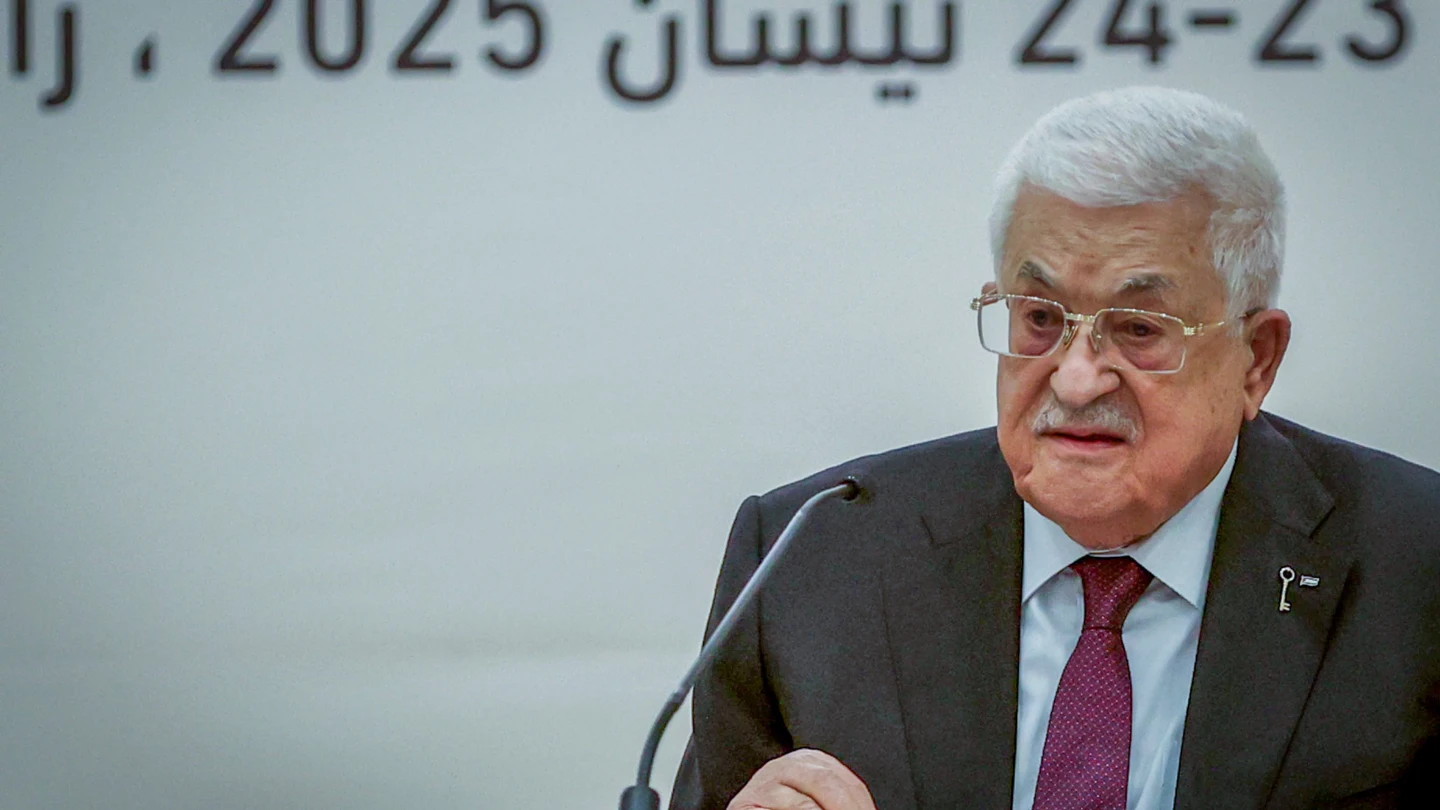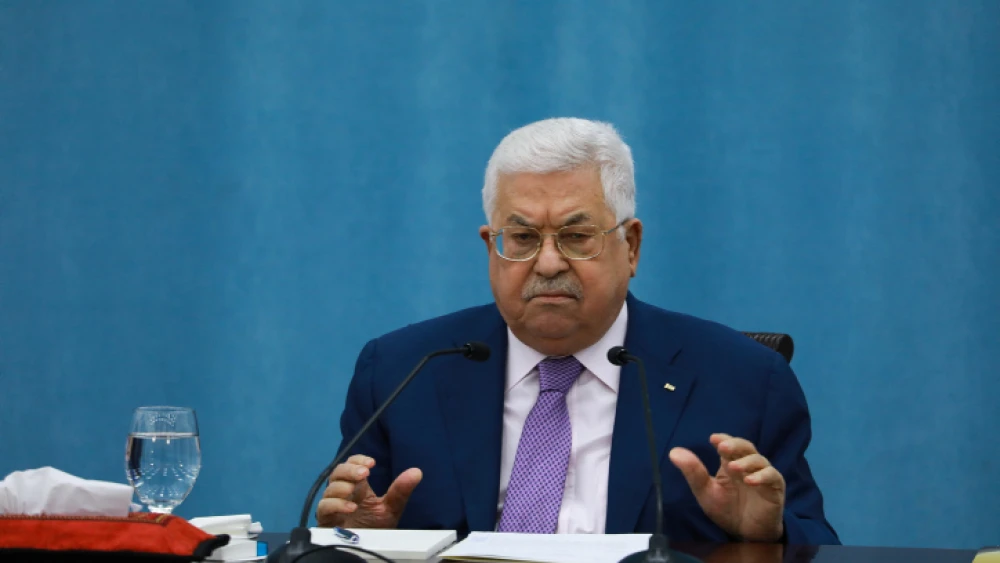

The recent wave of rapprochement between Arab countries and Israel and the Palestinian Authority’s glaring inability to prevent more nations from pursuing normalization with the Jewish state have left Ramallah stunned.
The Palestinians’ efforts to prevent the United Arab Emirates and Bahrain from signing peace treaties with Israel fell flat after the Arab League refused to back them, despite a routine statement condemning the Gulf states for “abandoning” the Palestinian cause.
The days when Palestinian bullying intimidated the Emirates are over. The new generation of Gulf rulers is made from sturdier stuff.
Last week, Saudi Arabia’s former intelligence chief Prince Bandar bin Sultan bin Abdulaziz mounted an unprecedented assault against the Palestinian leadership, saying, “There is something that successive Palestinian leadership historically share in common: they always bet on the losing side, and that comes at a price.”
The shock felt in Ramallah was palpable. So much so that even chief PLO Executive Committee Secretary-General Saeb Erekat reluctantly agreed that Arab countries seeking to normalize relations with Israel “can do so,” asking only that they refrain from attacking the Palestinian leadership as the Saudi prince had.
It seems that Gulf rulers are not the only ones that have had enough of the Palestinians. Both Lebanon and Syria have recently said that they no longer dismiss the notion of negotiating a peace deal with Israel.
Even for Beirut and Damascus, potential normalization with Israel is no longer inextricably linked to resolving the Israeli-Palestinian conflict.
There is no doubt that the Palestinians have rightfully earned such treatment.
For decades they have taken Arab countries’ support for granted, demanding their every whim be met, no matter the price. The Arab countries agreed lest they be branded “traitors” to the Palestinian cause.
But those days are gone. Arab rules now put their own interests ahead of the Palestinians, and this has ushered in a new era—one of normalization and peace with Israel.
Eyal Zisser is a lecturer in the Middle East History Department at Tel Aviv University.
This article first appeared in Israel Hayom.