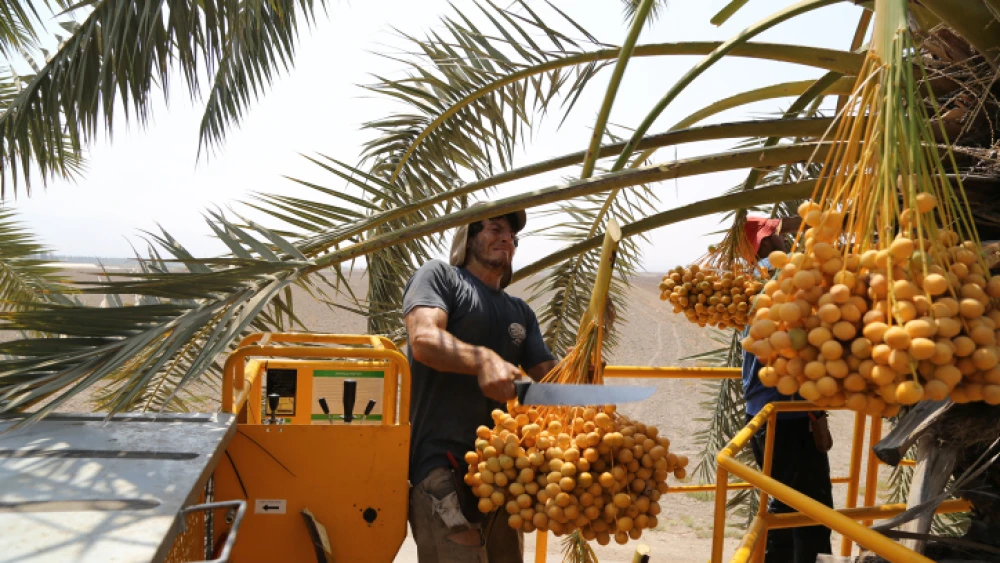
Agricultural crimes are the easiest type of crimes to perpetrate and very lucrative. Left to themselves, the perpetrators won’t likely be pursuing a career change any time soon. The Israeli government, together with the Knesset and law-enforcement agencies, must make eradicating this scourge a national objective.
When I began studying these crimes and the way they are handled up and down the chain, I came to understand that the primary problem is a severe crisis of trust. It starts with the farmer, who feels abandoned and alone on the front lines, without security or insurance. Unlike Israelis in cities, for example, the farmer lacks even a minimal sense of personal security. Unlike everyone else who holds car, home or business insurance, for instance, he has no financial security or support when victimized by criminals.
This crisis of trust was evidenced by figures published this week by the HaShomer HaChadash organization, whereby one-third of these crimes are not reported. I’ve heard the reason time and time again over the years: “Why should I waste my time filing a complaint when it will end in ‘lack of public interest?’ ”
This crisis of trust also permeates law-enforcement agencies, affecting the dedicated officers in the field who work hard and around the clock to defend the farmers and apprehend the culprits. They, too, are mired in the same cycle of disappointment and despair, as these criminals are repeatedly released from custody after arrest and immediately return to committing the same offenses. They feel a sense of embarrassment and failure towards the farmers, who always have the impression that they are alone in this fight. When Ayelet Shaked was justice minister, we asked that the judges be exposed to the array of destructive consequences of these agricultural crimes. The actual punishment is often too lenient, which only reinforces the sense that this type of crime simply pays. Settlement Affairs Minister Tzachi Hanegbi proposed—and I concur—immediately establishing a public security Cabinet. The system needs to focus on taking this step and working together, with maximal coordination: law enforcement, police, volunteers, farmers, farmers’ organizations, the prosecution, the courts, lawmakers and the government—all must work in unison to map out the most pressing needs on the ground, allocate resources and “smart” technological systems to the policemen, and provide the requisite budget for increasing the presence of law-enforcement personnel. The existing holes in the chain must be identified so that legislation can be tailored to the current realities. Legislation pertaining to protection and racketeering needs to be amended. Everyone involved in fighting agricultural crime must meet in the same room and ensure the efficient use of the resources needed to target this as a national priority and change the situation on the ground.
This article first appeared in Israel Hayom.