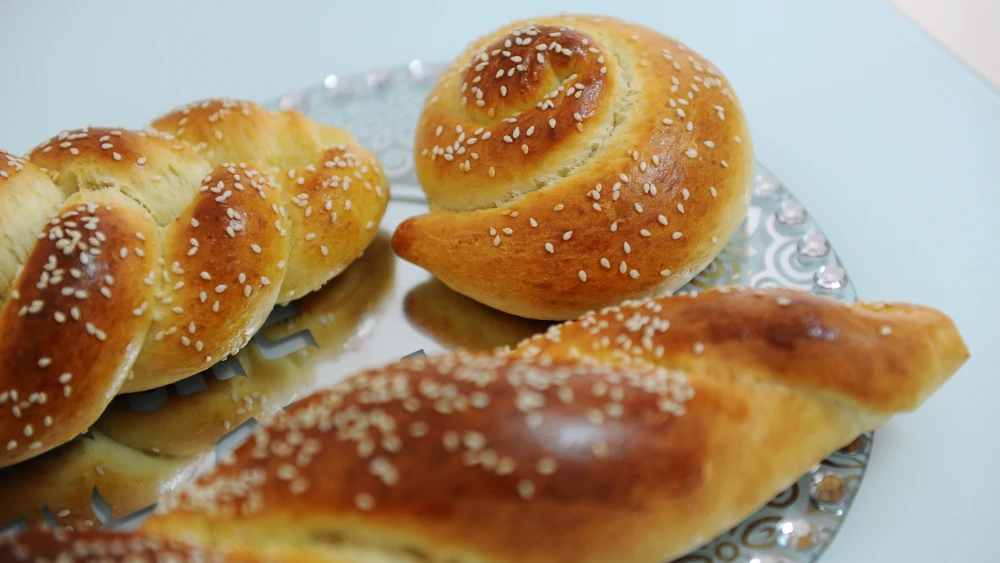

A piece of challah can bring back the memory of a grandparent’s table. For someone else, its meaning might begin with the friend who invited them to their first Shabbat dinner or an evening when a room full of strangers began to feel familiar. The people attached to those experiences are part of what makes Jewish identity personal.
Those connections deserve a central place in conversations about Jewish belonging. Food offers younger people a tangible way to explore a heritage they may feel close to, distant from or uncertain how to describe. Sharing a meal creates an opportunity to discover what connects them to the people around the table and to the generations who gathered before them.
Recent research gives Jewish communities good reason to pay attention. The Jim Joseph Foundation’s Project Prism study, released this year, found that 75% of Jewish adults ages 22 to 40 regularly do something Jewish, often at home with family or friends. Its findings emphasize the power of relationships and shared culture in building connection.
Jewish life is already happening in those everyday settings, where people make time for one another and decide what matters enough to carry forward.
Young Jewish adults arrive at these experiences from varied starting points. Someone raised with regular Shabbat meals may associate challah with a childhood steeped in tradition, only to find fresh meaning in hosting or baking on their own. Someone with little exposure to Jewish practice may be encountering these customs for the very first time.
Neither path is more legitimate than the other; neither requires a prescribed formula to become deeply meaningful.
Challah itself tells a story of adaptation and resilience. The braided loaf developed among Central European Jews, who adopted decorative bread-making practices from their non-Jewish neighbors. Later in America, broader access to ingredients like eggs and sugar made the bread richer and sweeter. Its history mirrors the migration of Jewish communities across borders, uniting a familiar comfort food with the enduring act of carrying a culture into a new home.
The traditions surrounding this weekly bread also carry ancient echoes. The book of Numbers instructs the Israelites to set aside a portion of dough as an offering. The two loaves traditionally set out on Shabbat recall the biblical double portion of manna gathered before the Sabbath. These meanings connect a meal in the present with a much longer Jewish story.
Knowing that history enriches the simple act of breaking bread. So does hearing why a dinner companion looks forward to Friday night, whom they used to spend it with or what inspired them to host in the first place. A conversation anchored in food gives people room to explore their heritage on their own terms.
It also leaves a door open for those whose relationship with Judaism is less defined or harder to articulate. A young person may have memories that they want to explore, questions they have never felt comfortable voicing or simply a desire for community. An invitation to dinner provides a welcoming entry point among people eager to listen as well as share.
I want young Jewish adults to feel pride in their heritage and to see a clear place for themselves within it (whether they are discovering Jewish life for the first time or grew up immersed in it). The simple warmth of gathering matters because it gives people a reason to return.
Friends from outside the Jewish community belong at this table, too. Sharing challah offers a natural opening to demystify Jewish life, celebrate traditions and invite others to share both the foods and rituals that define their own families. The dialogue becomes richer when everyone brings their particular story to the table.
Helping the next generation connect with its roots begins with making room for these shared moments. Welcoming someone to a meal may seem small, but it often becomes a memory someone carries into their own future home. Decades later, when they place challah on the table, it may still remind them of the evening they first felt they truly belonged.