



The U.S.-led summit in Warsaw taking place from Feb. 13-15 may very well be a strategic turning point in the Trump presidency.
After several unilateral moves, such as the withdrawal from the 2015 nuclear deal with Iran and the start of the pullout from Syria, the United States is now about to forge a wide coalition against the Iranian menace.
In other words, the White House is now asking all those who feel threatened by Iran—be it because of its nuclear ambitions or its ballistic missiles—to join hands and counter the threat, not just behind closed doors and in secret talks but through a public show of force.
The summit will focus on the various means to check Iran, not just impose sanctions.
For Israel, which is taking part in the summit, this will be a rare moment to talk with Arab leaders in an international forum that does not deal with the Israeli-Palestinian conflict, and where Palestinians will not be present. This is important in and of itself.
The summit will allow Israel not only to coordinate moves with the power brokers of the Sunni Arab world but also to test the waters and see whether they are willing to upgrade the secret ties Gulf states reportedly have with Israel and make them public.
This will also be an excellent opportunity for Israeli Prime Minister Benjamin Netanyahu, who will head the Israeli delegation, to hold side talks with the Sunni leaders to gauge their position on the “deal of the century” being drafted at the White House.
Will they support the deal? Will they use their leverage on Palestinian Authority leader Mahmoud Abbas? Will they try to change its provisions?
According to a Fox News report on Monday, which has been shot down by the White House, the plan is complete and will be unveiled after the April 9 Knesset elections. Regardless, it won’t take center stage in Warsaw.
Senior adviser Jared Kushner and Special Representative for International Negotiations Jason Greenblatt, who are tasked with drafting the plan, will attend the conference to check whether they can get Arab backing for their peace initiative.
Various states and entities will send representatives to the gathering. Russia has already announced that it will not participate because the summit focuses on Iran.
Iran, which was not invited, tried to derail the summit by threatening Poland, and on Monday, it once again threatened Israel and vowed to continue developing ballistic missiles.
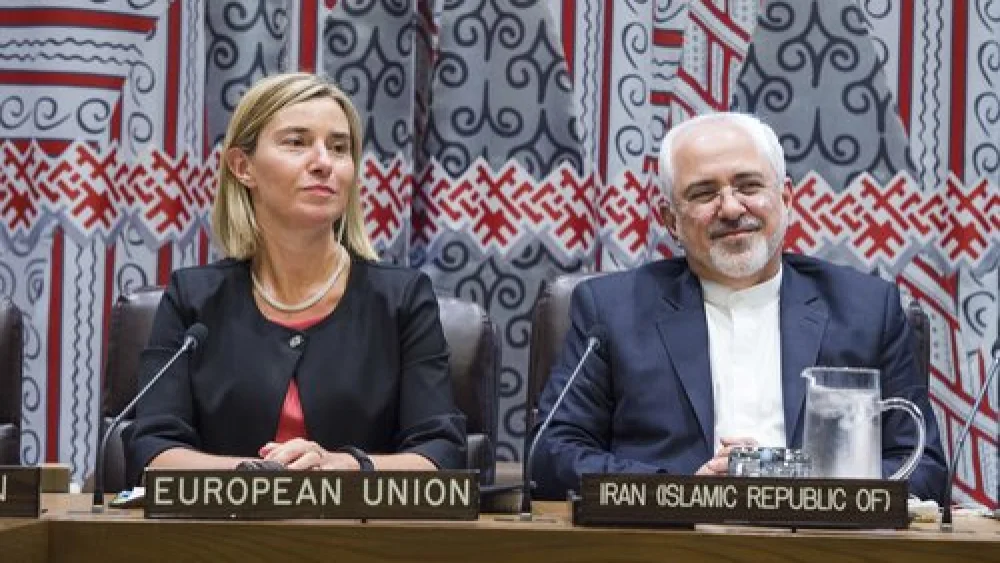
European Union foreign-policy chief Federica Mogherini, who is trying salvage to the nuclear deal with Iran, was invited but probably won’t attend as a matter of course.
The first measure of success for the summit is the degree of participation and the level of representation of the dozens of countries that were invited. The second is whether the summit will produce a consensus on the need to check Iran.
And the real test is the degree to which the participants will be willing to take on Iran with concrete steps.
Oded Granot is a journalist and international commentator on the Middle East.



