Science and Technology
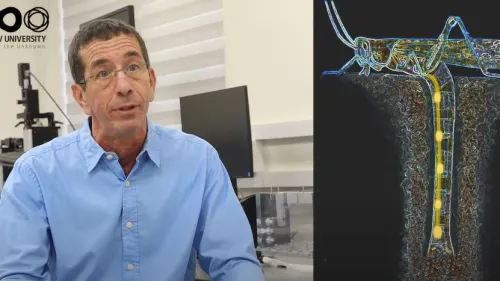
Female locusts’ ability to extend their bodies by as much as three times their original length is “almost incomprehensible,” “like something out of science fiction,” says scientist.

Chief of Staff Lt. Gen. Aviv Kochavi sheds light on how artificial intelligence led to an intelligence revolution.

Hebrew University researchers were able to identify and block a novel mechanism for antibiotic-induced kidney damage using a chip combining electro-optic sensors and human tissue.

An examination of debris from the attack indicates that an Iranian Shahed-series drone was used, according to the U.S. military.
The Pacific Zircon was “struck by a projectile” around 150 miles off the coast of Oman, says Eastern Pacific Shipping, which is owned by Israeli magnate Idan Ofer.

According to Lior Schillat, director-general of Israel’s Energy Ministry, the agreement will “allow the development of a gas reservoir that crosses the border between enemy states, an unusual event in the global energy market.”
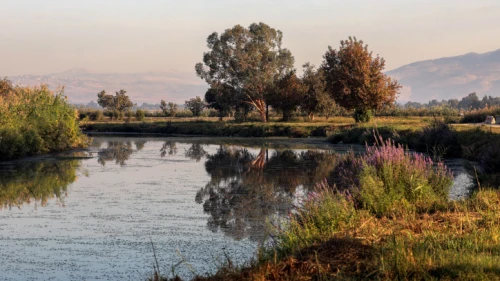
Drained, dried and diverted for decades, Israel’s wetlands are being restored to give half a billion migrating birds relief from past environmental errors.
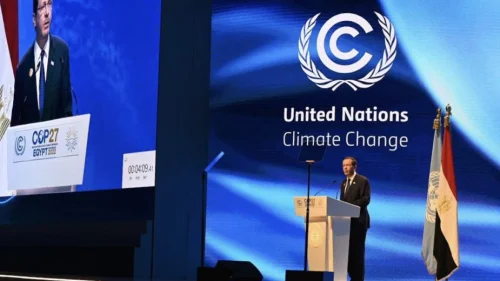
“I suggest that President Herzog spend a little bit more time learning about engineering, about the electrical grid…about the environmental harm of covering thousands and thousands of acres of land, and about transmission lines,” Yonatan Dubi, a chemistry professor at Ben-Gurion University of the Negev, told JNS.

The two-stage pilot will examine the viability of integrating self-driving vehicles into Israel’s public transportation system.

The Israeli president is scheduled to meet with the leaders of the UAE, UK and Jordan, among others.

The Jewish state is investing in blue tech to promote aquaculture on land and sea as a sustainable local source of fish and edible plants.

Tel Aviv and Hadera were found to be the most polluted.