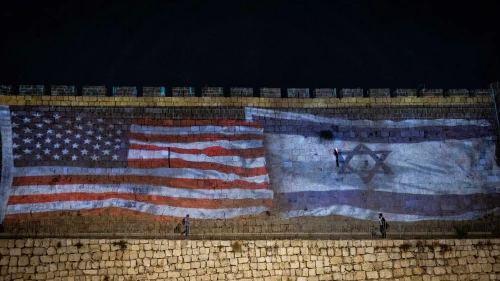
U.S.-Israel Relations
News about governmental relations between Israel and the United States
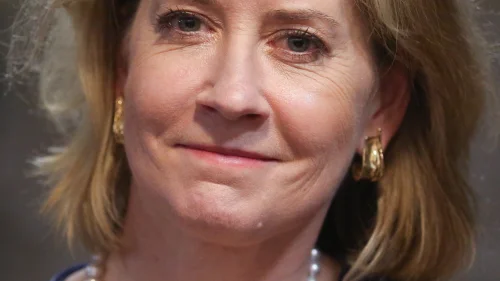
“After the inauguration, everything is on the table,” said senior Trump official Victoria Coates.

The development may settle a long legal saga on whether American victims can sue the Palestinian Authority over attacks by it or its personnel.
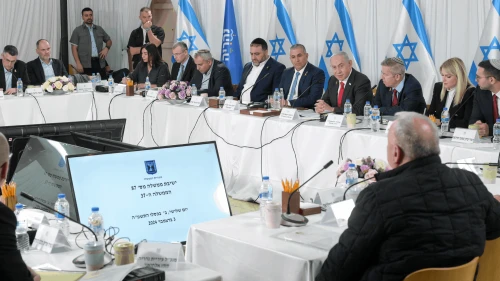
“There is only one responsible for this situation, and that is Hamas,” the Israeli premier said.

Washington reportedly pledged to continue its opposition to the unilateral recognition of a Palestinian state in exchange for extending the deal.

Restraint “from all sides” is necessary for the truce to hold, U.S. sources told Israeli media.
“If Israel decides to act [against Tehran], it will notify the United States as soon as possible,” is allegedly among America’s stipulations.

“I don’t think there’s a single Jewish person that doesn’t have within one or two degrees of separation knowledge of a hostage or a family relative of a hostage,” the U.S. presidential envoy said.

“Under the deal reached today, effective at 4 a.m. tomorrow, local time, the fighting across the Lebanese-Israeli border will end,” the U.S. president said.
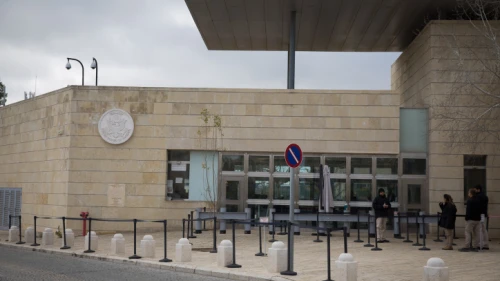
The U.S. government had previously advised against traveling with 2.5 miles of the Israeli borders with the two countries.
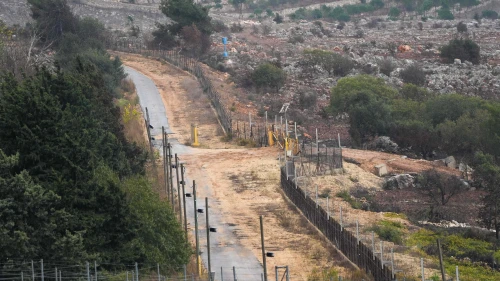
Concerns linger over Hezbollah’s compliance and Israel’s operational freedom.

Robert Wood also stated the United States is “concerned by increasing extremist settler violence” in the region.

Charges will “mean what people want it to mean, without ever being fully litigated,” a retired lieutenant colonel said.