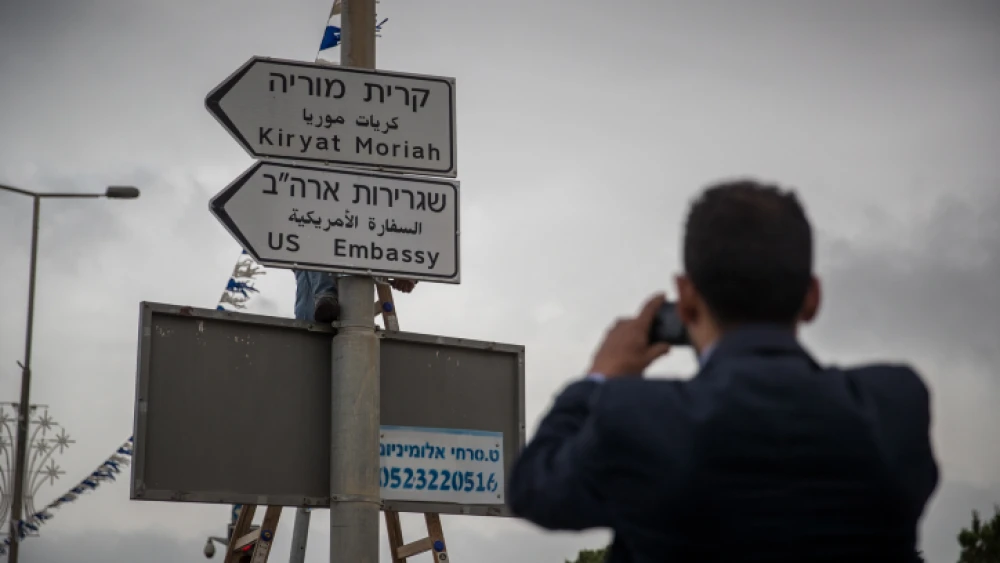
The U.S. Embassy in Israel and U.S. Consulate General, both in Jerusalem, officially merged over the weekend, reported the Associated Press.
The consulate covered Palestinian affairs, which have now been included in operations into the embassy.
“This decision was driven by our global efforts to increase the efficiency and effectiveness of our diplomatic engagements and operations,” said U.S. State Department deputy spokesperson Robert Palladino in a statement. “It does not signal a change of U.S. policy on Jerusalem, the West Bank or the Gaza Strip. As the president has stated, the United States continues to take no position on final status issues, including boundaries or borders.”
“The specific boundaries of Israeli sovereignty in Jerusalem are subject to final-status negotiations between the parties,” he continued. “The administration remains fully committed to efforts to achieve a lasting and comprehensive peace that offers a brighter future to Israel and the Palestinians.”
The embassy moved from Tel Aviv to Jerusalem in May after U.S. President Donald Trump recognized Jerusalem as Israel’s capital in December 2017.
The National Council of Young Israel applauded the decision when it was first announced in October.
“Merging the U.S. consulate in Jerusalem with the newly opened U.S. embassy there is wholly consistent with the United States’ historic decision to recognize Jerusalem as Israel’s capital and to relocate its embassy there,” according to a statement. “This latest step is yet another indication of the Trump administration’s commitment to bestowing its blessing on Israel’s right to establish its own capital, and the United States’ pledge to give proper credence to that determination.”
This development comes as the Trump administration is expected to reveal its highly anticipated Mideast peace plan after the Israeli elections on April 9.