In Israel and Ukraine, where war for the past few years has shattered daily life and upended childhoods, one innovative global nonprofit is helping students hold on to something essential: their future.
ORT America, a worldwide educational network, is providing critical lifelines to children living through trauma, loss and instability. From missile strikes in Israel to blackouts in Ukraine, ORT keeps its schools secure, programs running, minds engaged and futures supported.
In Israel, ORT focuses on students in the country’s geographic and socio-economic periphery, areas which are often overlooked but deeply affected. Through high-level STEAM education and after-school programs in robotics, cybersecurity and more, ORT helps under-resourced youth stay on track. Just as crucial, it provides trauma-informed emotional support, private tutoring and a safe place for students to regain confidence and rediscover possibility.
In Ukraine, ORT has kept six schools running—some in person, others online—despite relentless challenges. Kids receive not just education but life essentials: winter coats, generators, access to safe spaces and unwavering adult support.

Q: What’s daily life like right now for the children you serve in Israel and Ukraine?
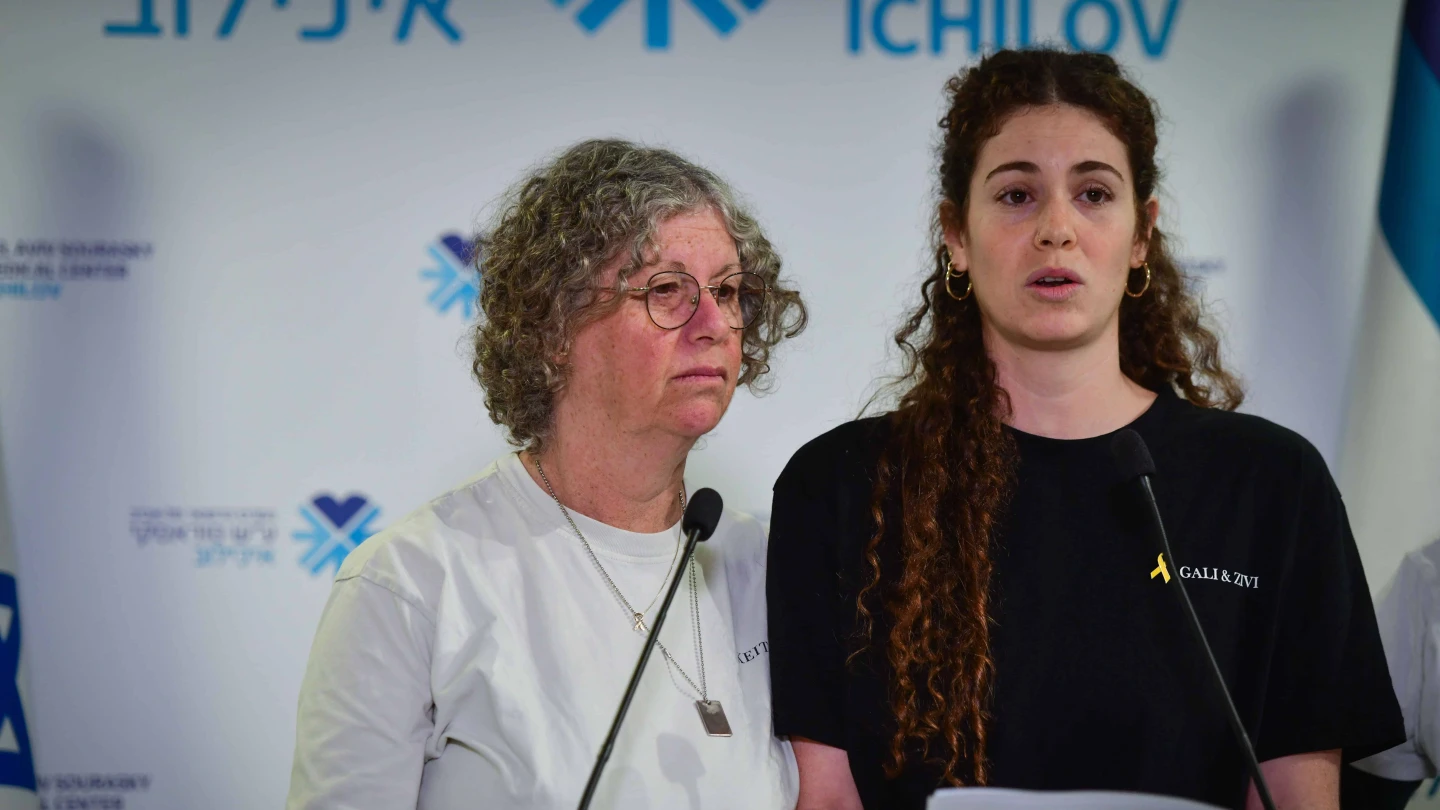
A: In Israel, especially at World ORT’s Kfar Silver Youth Village in Ashkelon, children live between the classroom and the shelter. The Youth Village, which educates more than 1,100 students—250 of whom live on campus—is located just eight miles from the border with the Gaza Strip. The school community still faces sirens and evacuations, but the teachers and counselors provide structure and hope. In Ukraine, more than 7,000 students continue learning through air-raid warnings and blackouts. Remarkably, attendance has climbed back up to nearly 80%, a testament to the work of our educators, the resilience of our students and their families’ determination to restore normalcy.
Q: How do you keep schools open and safe during missile strikes and blackouts?
A: We’ve invested in reinforced safe rooms, solar and inverter systems, and backup generators. In Ukraine, we fully equipped underground classrooms in Zaporizhzhia and repaired missile-damaged schools in Kyiv and Odessa. In Israel, campuses are designed so that hundreds of students can be moved into protected safe rooms and shelters in seconds. The priority is simple: uninterrupted education.
Q: How have you kept six schools in Ukraine running against the odds?
A: Through sheer determination and targeted support. We’ve repaired missile damage, funded buses for displaced children, kept lunch programs running for children facing food insecurity and strengthened school security measures. Our educators, supported by supplemental pay, are the backbone of this success. Despite war, Jewish education and community life continue.
Q: Why is emotional support just as vital as academics in crisis?
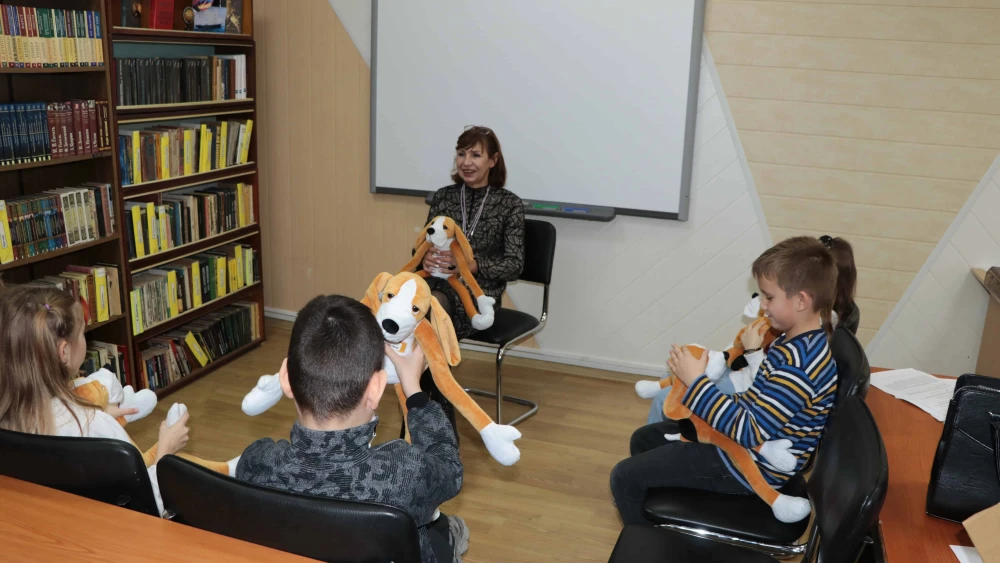
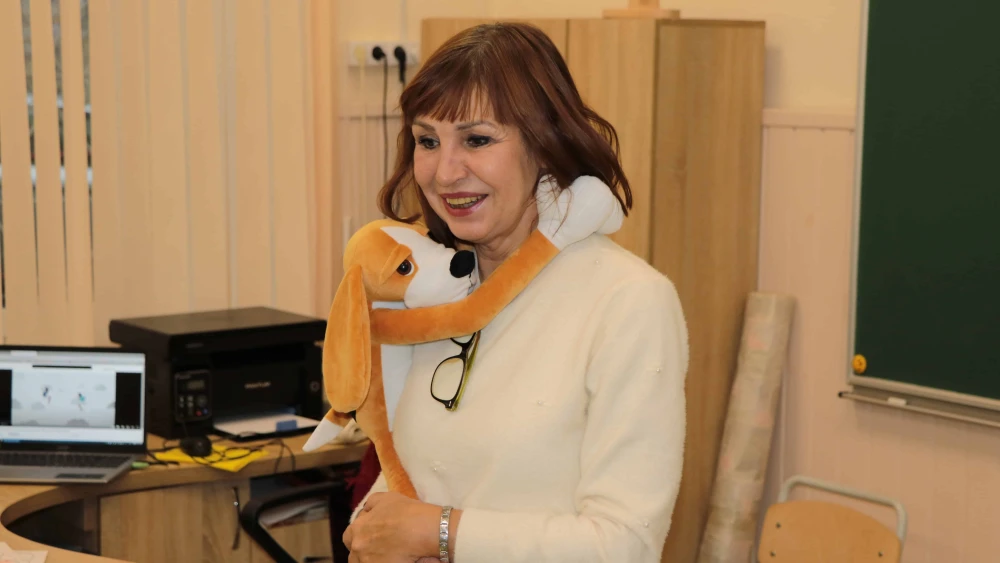
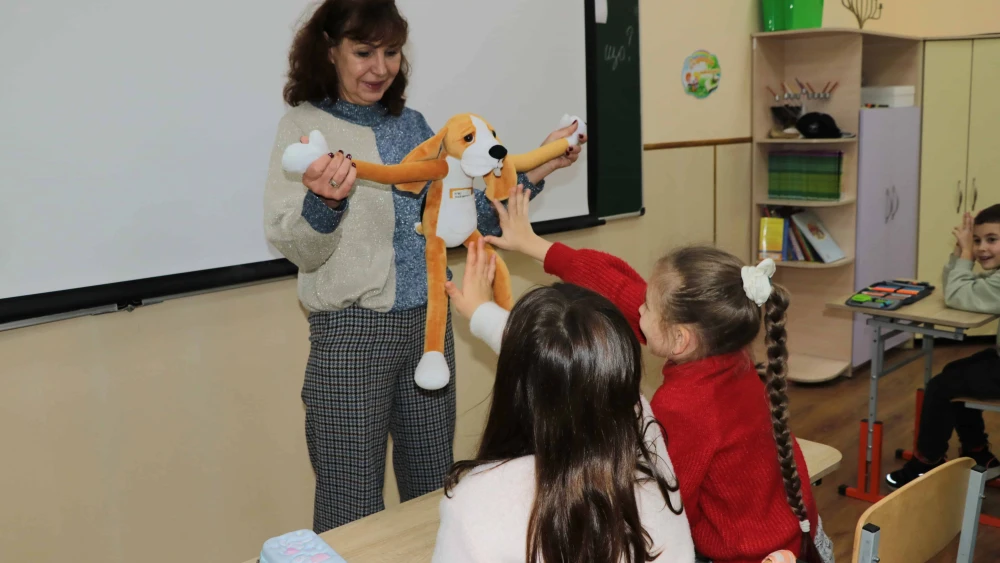
A: Children cannot learn if they don’t feel safe. That’s why we’ve delivered more than 700 counseling sessions across Ukraine, introduced Hibuki therapy for younger students, and expanded trauma-informed care in Israel after Oct. 7. Emotional support is not an “extra.” It’s as foundational as math or science.
Q: Can you share one student’s story of resilience?
A: This year, a group of Ukrainian students created a safety bracelet for people with hearing impairments. They worked through blackouts and air raids to complete it and won international recognition. It’s an extraordinary example of how hardship can fuel innovation and courage.
Q: What’s been your biggest challenge, and how have you adapted?
A: Managing two crises at once: Israel under fire and Ukraine under invasion. We’ve adapted by investing in energy independence, solar panels, generators and underground classrooms, while providing supplemental teacher salaries to prevent staff losses. We’ve additionally increased mental-health resources, training for educators, and most importantly, we’ve built flexible hybrid learning platforms, so no child’s education is left behind.
Q: Why focus on Israel’s geographic and economic periphery?
A: Because that’s where the opportunity gap is widest. A child in Dimona or Kiryat Yam deserves the same access to robotics labs and coding courses as a child in Tel Aviv. ORT’s goal is to level the playing field so talent, not geography, shapes a child’s future.
Q: How are STEAM programs giving kids hope for the future?
A: In Israel’s periphery, our YOUniversity Centers of Excellence expose children to robotics, coding and engineering. In Ukraine, students are developing real-world solutions, apps that reduce stress and bracelets that warn hearing-impaired citizens of danger. These programs show children that their creativity and talent can make an immediate impact and also shape a better future.
Q: How can people outside these regions help sustain your work?
A: Support ORT America’s emergency campaigns. Every contribution provides fuel for generators, counseling for a traumatized child, school lunches for displaced families or the salary of a teacher who works to hold a classroom together. External support is what makes internal resilience possible.
Q: Where do you see the most hope for the year ahead, and what are ORT America’s priorities?
A: Hope shines in every classroom: Israeli seniors finishing high school despite displacement, Ukrainian teens turning wartime hardship into innovation and young children discovering science for the first time. Our priorities are clear: Expand mental-health support, harden schools with safe spaces, empower independence, retain and train teachers, and scale STEAM programs and scholarships. These are investments not just in education, but in resilience and the belief that the next generation will inherit more than war.