The Iranian regime that seized American hostages, murdered U.S. Marines and remains committed to destroying Israel stands to receive sanctions relief, unfrozen assets and hundreds of billions in cash if a final deal is reached. Even after the interim Memorandum of Understanding was signed, Israeli troops uncovered a major Iranian-built Hezbollah fortress in Southern Lebanon.
Critics in America, Israel and across the Arab world are alarmed, and many of the hardest questions remain unanswered.
What We Know
What is being offered to Iran?
The U.S.-Iran MoU kicked off a 60-day negotiating period that started June 18. With Pakistan and Qatar acting as diplomatic intermediaries, the outcome for Iran—if a final agreement is reached—includes sanctions relief, unfreezing $100 billion in assets and a new $300 billion reconstruction fund financed by Gulf states. In exchange, the United States is negotiating for an end to Iran’s wartime chokehold on the Strait of Hormuz, the dilution of its enriched uranium and the return of U.N. nuclear inspectors. Bipartisan critics are pressing for major changes before the window closes. Iran would even be allowed to keep its remaining ballistic missiles, which Sen. Rick Scott (R-Fla.) rejected: “I would be fine with it if they didn’t want to kill Americans. But if somebody wants to kill me, I don’t want them to have a ballistic missile.”
What kind of regime is being rewarded?
Its war on America did not begin with this conflict. Iran has been the world’s leading state sponsor of terrorism for 47 years. This designation by the U.S. State Department became official in 1984. The regime seized the U.S. embassy in 1979 and held 66 Americans hostage for 444 days. Hezbollah, its Lebanese proxy, bombed the Marine barracks in Beirut in 1983 and killed 241 U.S. service members. Iranian-backed militias later killed hundreds of American troops in Iraq. A signature does not change the lethal mission of this regime. U.S. Secretary of State Marco Rubio, Secretary of Defense Pete Hegseth and CIA director John Ratcliffe have reportedly voiced concerns that Iran will not honor the deal.
Are the United States and Israel still aligned?
The United States and Israel are independent nations, and their interests do not always align. The friction is public. U.S. Vice President JD Vance publicly criticized Israeli ministers and warned them against “attacking the only powerful ally” they have left, telling critics they “can’t just kill their way out of solving every threat.” U.S. President Donald Trump has been critical of Israel’s response to Iran-backed Hezbollah terrorists in Lebanon. However, he also has threatened to go “right back to dropping bombs” on Iran if the deal collapses. Several U.S. Senate Republicans blasted the deal, including Sen. Bill Cassidy (R-La.), who called it the “worst foreign policy blunder in decades.” Members of the Israeli government stated that they will not be bound by a deal they did not negotiate. In contrast to Vance’s comments, U.S. Ambassador to Israel Mike Huckabee reaffirmed the “unbreakable U.S.-Israel bond.”
What We Do Not Know
Is Iran’s nuclear program actually stopped?
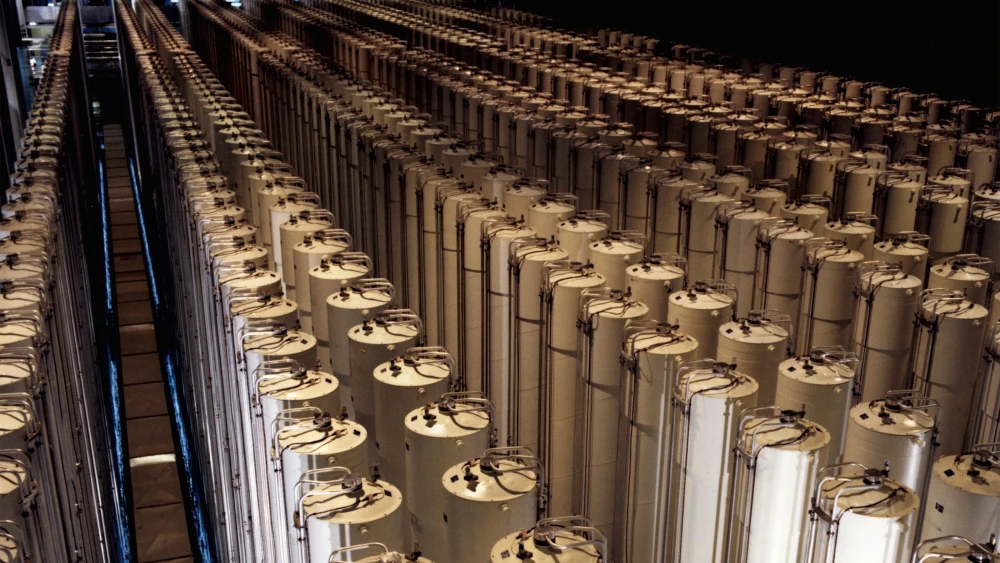
Iran’s President Masoud Pezeshkian vowed after the MoU signing that “we will not relinquish our right to enrich uranium,” the fuel for nuclear bombs. The status of Iran’s uranium is unclear despite last June’s joint U.S.-Israel airstrikes against its main enrichment facilities and more attacks since then. The MoU includes language stating that Iran “shall not procure or develop nuclear weapons,” but does allow for the discussion of a nuclear energy program. Israel’s Knesset speaker insisted that Iran cannot be allowed to become a nuclear power, supporting Trump’s position.
Is the Iranian-Hezbollah war against Israel over?
Iranian-backed Hezbollah terrorists continued to attack northern Israel from their bases in Southern Lebanon. The Israeli Defense Forces have responded by attacking Hezbollah terrorist infrastructure. The military recently found a subterranean base with massive steel-blast doors less than four miles from the border—directly planned and funded by Iran. Troops found 50 Iranian-made explosive drones ready to be launched. Days earlier, a Hezbollah strike killed four Israeli soldiers in their tank. The MoU includes a Lebanon ceasefire, but Israel was not a party to it, and Israel’s prime minister vowed that it would maintain a security zone to stop attacks. A report indicates that current negotiations would limit Israel’s ability to respond to attacks and a ceasefire in Lebanon would be overseen by the United States, Iran, Lebanon, Qatar and Pakistan.
What did the war actually achieve?
Various leaders and policy experts have stated different goals for ending Iran’s nuclear program, missile threat, proxy attacks and the regime itself. None of these problems has been definitively answered, just deferred for later talks. Some analysts warned that the regime treats diplomacy as a tactical weapon to buy time and secure relief while it rebuilds its arsenal. A hardline Iranian newspaper called the agreement a “surrender to the Great Satan”: America. Supporters of the deal argue it serves American interests: securing the flow of oil and stabilizing gas prices, while preventing harm to American soldiers. Critics openly complain that this deal is little different than the Obama administration’s 2015 nuclear deal and reopening the Strait that was open before the war.
The next 60 days: A real deal or only a pause?
The MoU buys a 60-day roadmap that can quietly harden into a permanent reality or collapse back into war. Critics in both major U.S. parties insist that any sanctions relief run through Congress and that a final deal carry real enforcement, no expiration dates and the removal of Iran’s uranium. A bipartisan House resolution demanded that Hezbollah be disarmed and condemned its “repeated violations of ceasefire agreements.” Israel continues to act against Iranian-backed Hezbollah aggression. An array of other details under discussion have not even been made public.
Points to consider:
1. Iran has spent decades killing Americans.
American families have grieved for nearly 50 years because of Iran’s terror—service members, diplomats and civilians killed by a regime that was at war with America, the “Great Satan,” long before today. Anyone who calls this “Israel’s war” insults their memory. Iran chose America as its enemy decades ago and has never stopped.
2. The claim that Israel controls America is an obvious lie.
One of the oldest libels against Jews is that they secretly manipulate governments. Anyone who believes Israel controls American policies only needs to have watched recent events and reactions to the Iran negotiations. The U.S. administration has openly criticized Israel about Lebanon, the deal and what comes next. Israeli government and opposition leaders slammed the agreement. A nation that is supposedly “pulling the strings” does not get reprimanded in public by the U.S. government—and then excluded from the negotiating table.
3. A regime rewarded with billions will fund more terror against Jews.
Iran always finds a way to use its cash to fund those who hate, maim and kill Jews. For decades, the regime has armed the terrorists who target Jewish families in Israel and around the world. Prosecutors recently charged an Iranian-backed commander with plotting to firebomb a synagogue in Manhattan and Jewish centers in other U.S. cities. Armed with hundreds of billions more, the regime continues to fund plans that target Jews wherever they are.
4. The Jewish people have outlived every empire that sought their end.
Israeli President Isaac Herzog called Iran an “evil empire,” a regime that dreams of a world without the Jewish state. It will fail, as every such empire has failed. From ancient Persia to the present, tyrants who vowed to erase the Jewish people became footnotes while the Jewish people endured. Iran’s regime will be no different. The answer to this threat is not fear but resolve.