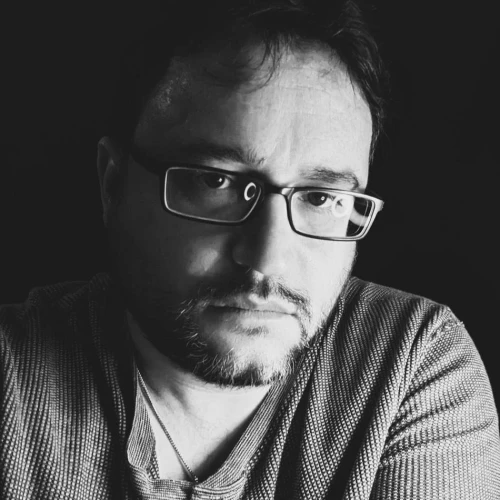
Australian police found no evidence that the two Islamic State-inspired terrorists accused of gunning down 15 people at the Dec. 14 Chanukah party in Sydney were part of a “broader terrorist cell,” police on Tuesday.
Australian Federal Police Commissioner Krissy Barrett told journalists that Sydney residents Sajid Akram, 50, and his 24-year-old son Naveed Akram “are alleged to have acted alone.”
“There is no evidence to suggest these alleged offenders were part of a broader terrorist cell, or were directed by others to carry out an attack,” Barrett told reporters, according to the Associated Press.
The two suspects spent most of November in Davao City in the southern Philippines, once a training ground for small numbers of Islamic State- and Al Qaida-linked foreign terrorists, the police commissioner noted.
However, Philippine National Police determined that the two rarely left their hotel, and Barrett said “there is no evidence to suggest they received training or underwent logistical preparation for their alleged attack.”
“I want to be clear, I am not suggesting that they were there for tourism,” she added, refusing to elaborate further to avoid jeopardizing the trial against Naveed Akram.
Police shot the younger terrorist in the abdomen during a gunfight at Bondi Beach on Dec. 14. He spent a week in a hospital before he was transferred to prison. Police killed his father during the attack.
The two killed 15 people and wounded dozens more when they opened fire on the “Chanukah by the Sea” event marking the first night of the eight-day Jewish festival.
The attack on more than 1,000 people gathered at Bondi Beach’s Archer Park marked Australia’s second-worst mass shooting since the attack in 1996 in Port Arthur, a tourist town in the state of Tasmania.
Barrett on Dec. 16 warned against “misinformation” that she said could “fuel retribution-type incidents,” calling the attack “actions of those who have aligned themselves with a terrorist organization, not a religion.”
Australian Prime Minister Anthony Albanese has so far resisted calls for a federal probe into the incident, despite two lawmakers from his party—Ed Husic and Mike Freelander—breaking ranks to call for one.
Instead, the premier has called for a review into federal law enforcement and intelligence agencies to examine the question whether they have adequate powers, structures, processes and sharing arrangements. He has also announced sweeping gun law reform—a plan some Australian Jews have dismissed as a diversion from the issue exposed by the attack.