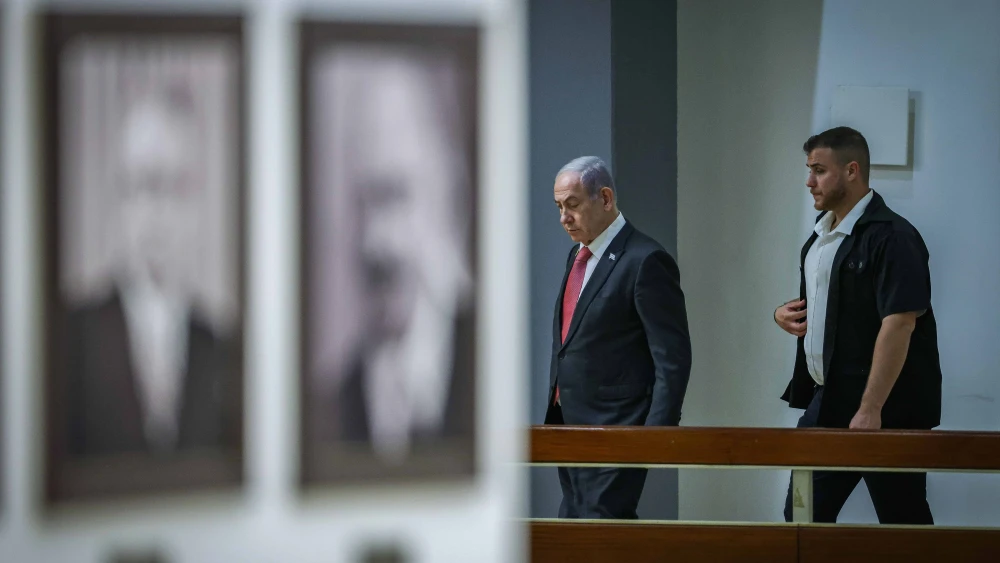

As the conflict in Gaza enters yet another critical phase, Israel faces a daunting question: Will this war lead to the release of hostages and a genuine security achievement, or will it be remembered as another cycle of violence with no tangible gains? The Israeli government, led by Prime Minister Benjamin Netanyahu, is at a crossroads where the outcomes of its military operations will shape not only its political future but also the broader regional dynamics involving Iran and its proxies.
Israel’s leadership has framed this war as an existential battle—not merely against Hamas but against the growing influence of Iranian-backed militias across the Middle East. Since the terrorist attacks on Oct. 7, 2023, the Israel Defense Forces have intensified their operations in the Strip with the stated aim of dismantling Hamas’s military infrastructure and securing the release of hostages.
But a key question remains: Can Israel achieve its objectives without a negotiated agreement? If military pressure alone compels Hamas to release hostages and significantly weakens its operational capabilities, the Israeli government could claim a strategic victory. But if the conflict drags on without clear gains, it risks becoming another costly round of fighting, deepening public frustration and international scrutiny.
The continued military campaign sends a strong signal to Iran and its regional allies, including Hezbollah in Lebanon and the Houthis in Yemen, that Israel will not tolerate the unchecked rise of terror groups on its borders. Netanyahu’s government, in coordination with Western allies, seeks to impose a new security paradigm—one in which Iran’s proxies understand that aggression will be met with decisive retaliation.
This strategy, however, is fraught with risks. Iran has already escalated its rhetoric, vowing to support Hamas and threatening broader regional conflict. The Israeli government must carefully calibrate its military operations to avoid overextending itself in multiple theaters, all while maintaining diplomatic support from the United States and Europe.
Domestically, Netanyahu faces growing pressure from both the right and left. Hardliners demand a total eradication of Hamas, while moderates and families of hostages urge a diplomatic path to secure the release of their loved ones. The political landscape is fragile, with opposition figures questioning whether Netanyahu’s government has a long-term exit strategy or if it is merely reacting to events as they unfold.
History will judge whether this war served Israel’s long-term security interests or simply added another chapter to the cycle of violence. If Netanyahu can secure the hostages’ return and significantly weaken Hamas, then he can claim victory. If not, his leadership—and Israel’s strategic doctrine—will face the necessary changes that he is bringing to the new Israeli strategy after the terrible failure of the “conceptia.”
For Israel, this is more than war; it is a defining moment in its battle for security, deterrence and stability in a volatile region. The coming weeks will determine whether this war brings resolution or sets the stage for the next inevitable confrontation.