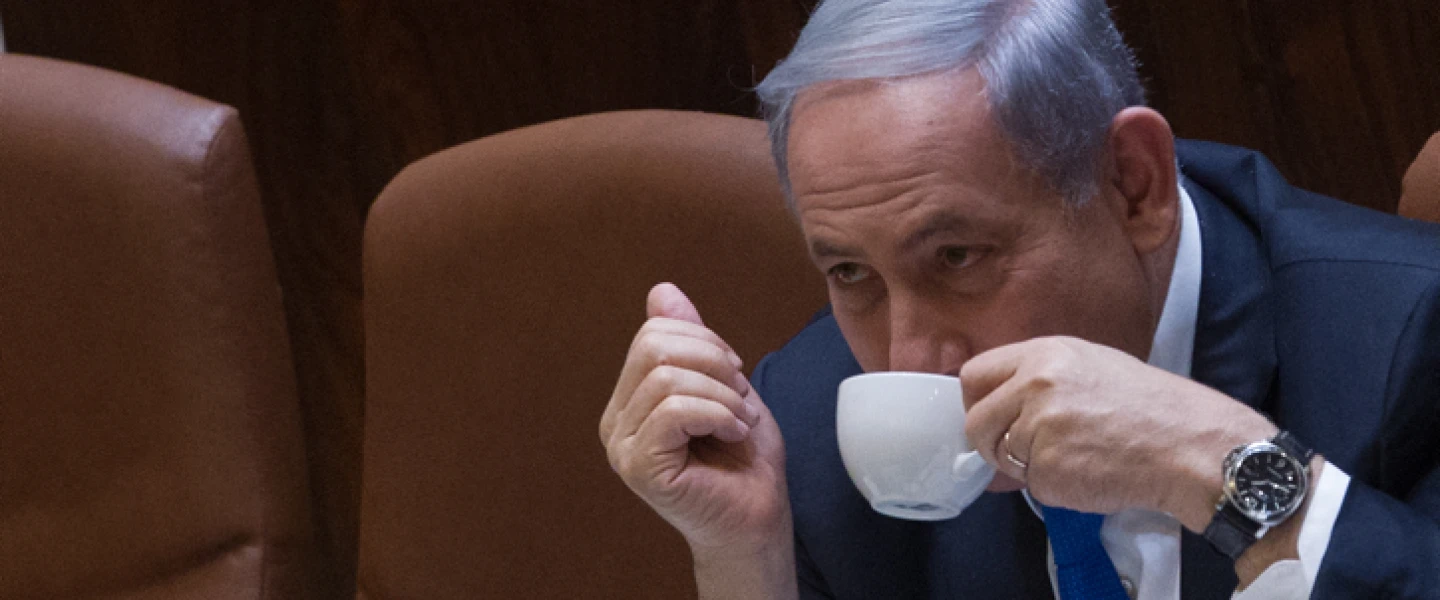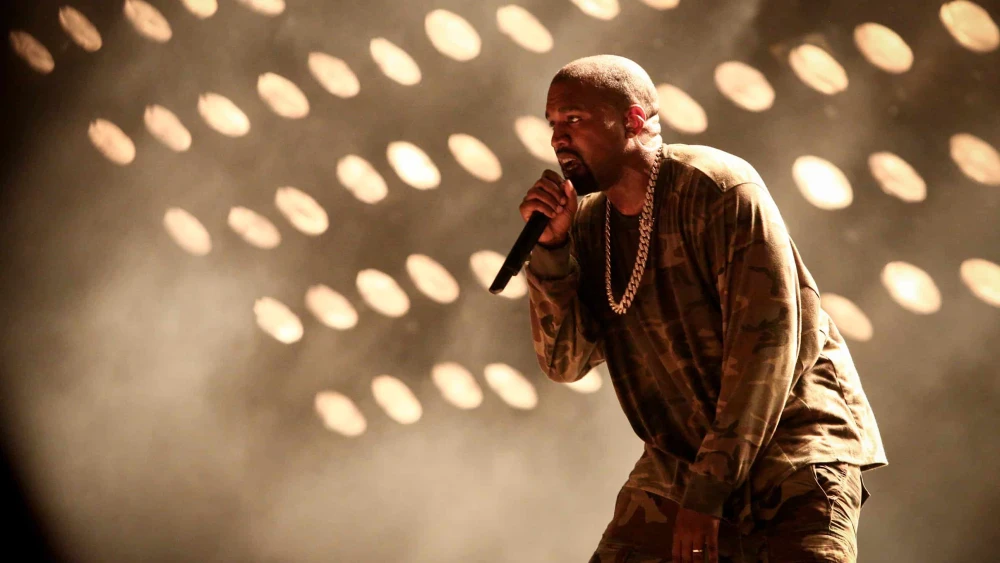
After a long history of Jew-hatred, Kanye West—the musician who goes by Ye—wrote in March that he liked Jewish people again after watching a film by Jonah Hill, who is Jewish. But earlier this month, he went on another antisemitic rant.
On Tuesday, some two weeks before the rapper’s new album “Vultures” is slated to release, Ye issued an apology in Hebrew on his Instagram account.
In the post, Ye “sincerely” apologized to “the Jewish community for any unintended outburst caused by my words or actions.” It wasn’t clear who, if anyone, the latter phrase was intended to quote.
Ye claimed he didn’t intend to harm or dishonor. “I regret deeply any pain I may have caused,” he said. He also committed to learning from the experience and becoming more sensitive. “Your forgiveness is important to me,” he wrote.
This appears to be the first time that Ye has apologized for antisemitism, although the apology noted that his actions “may” have caused harm.
The new album, which Ye made with fellow hip-hop star Ty Dolla $ign, was set for release this month was rescheduled twice, because Nicki Minaj did not want a song she contributed to compete with her new album.