The United States Holocaust Memorial Museum issued a statement on Monday condemning what it described as a “shocking eruption of antisemitism on many American college and university campuses.”
Since the Hamas terrorist attacks on Oct. 7 that resulted in the murder of 1,200 people in southern Israel and the taking of more than 250 hostages into the Gaza Strip, protests have erupted at some of the country’s most elite academic institutions, with calls to “Free Palestine, from the river to the sea” and to “globalize the intifada.” Jewish students have reported feeling increasingly unsafe on campus as threats have turned into more violent behavior since then.
More recently, at Columbia University, pro-Palestinian and pro-Hamas activists have set up tents on the school’s South Lawn, reportedly intimidating students and faculty as non-student agitators rally outside the front gates. The New York City Police Department was called in last week by the university administration, resulting in 100 arrests.
The museum condemned statements by demonstrators. It said “calling for Jews to return to Poland—where 3 million Jewish men, women and children were murdered by the Nazis and their collaborators—is an outrageous insult to Holocaust memory, a failure to appreciate its lessons and an act of dangerous antisemitism.”
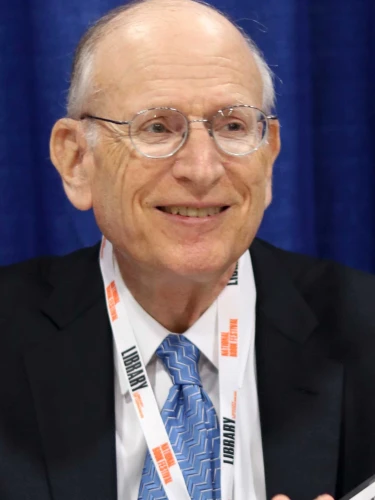
Stuart Eizenstat, chairman of the museum, noted that “America is the home of many Holocaust survivors who rebuilt their lives here seeking to leave behind the longstanding, unchecked antisemitism that fueled the systematic murder of their families and the destruction of their communities across Europe.”
Eizenstat said survivors would “never have imagined that eight decades after the Holocaust, Jewish students would face blatant antisemitism, including intimidation and violence, on college campuses across the U.S.”
He called for “forceful action on all levels to ensure that all students are able to study and engage in campus life without intimidation.”
Eizenstat also serves as special adviser for Holocaust issues to U.S. Secretary of State Antony Blinken. He is a former deputy secretary of the Treasury; under secretary of state for economic affairs; under secretary of commerce for international trade; and ambassador to the European Union.