Banking giant Credit Suisse had dealings with and held accounts linked to Nazis from World War II until as recently as 2020, according to reports the U.S. Senate Budget Committee reports released on Israel’s Holocaust Remembrance Day.
The reports released on Tuesday document an internal investigation conducted by a forensic research firm the Zurich-based bank hired in response to Nazi Asset findings made by investigators for the Simon Wiesenthal Center.
The dealings included 70 Argentine accounts with links to Argentina-based Nazis that were opened with Credit Suisse after 1945. They also included 21 accounts of high-level Nazis, provided by the Simon Wiesenthal Center, including those that belonged to a Nazi commander sentenced at Nuremberg, an SS commander who was convicted of war crimes, a Nazi scientist imprisoned throughout the Nuremberg trials, a senior SS officer and a representative of Deutsche Wirthschaftsbetriebe GmbH (DWB), as well as other accounts not previously identified.
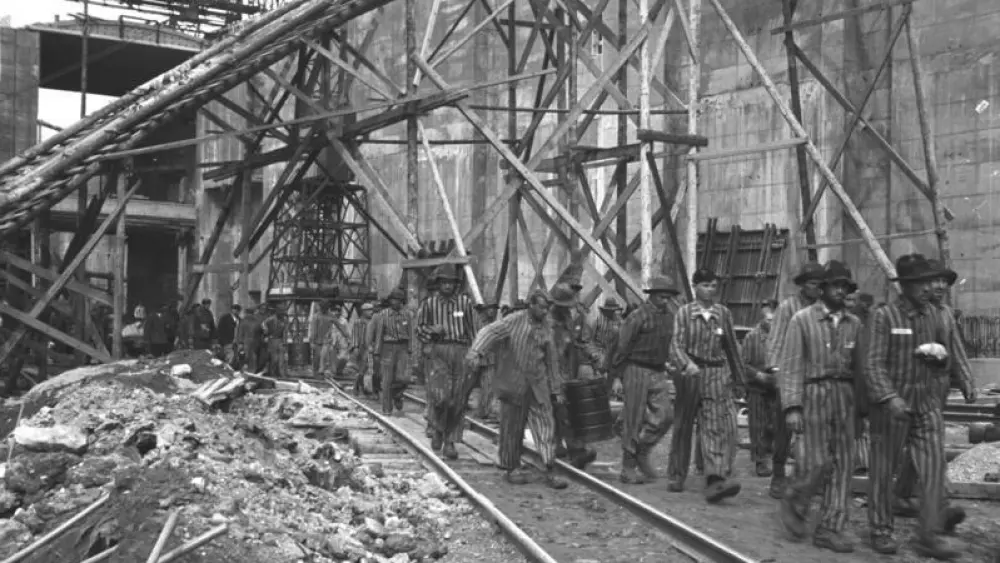
The aim of Deutsche Wirtschaftsbetriebe (“German Economic Enterprises”), organized and managed by the Allgemeine SS, was to profit from concentration camp inmates’ slave labor.
While the sentenced commander’s account stayed open until 2002, the bank has yet to provide asset information from it and 80 other identified accounts.
While the reports are incomplete due to limitations on their scope, they uncover close to 100 previously undisclosed accounts linked to Nazis, along with associated details, including the refusal to review whether Nazi heirs had received access to these bank accounts, raising concerns about the bank’s possible assistance to Nazis seeking to evade justice post-Wor;d War II.
The Simon Wiesenthal Center released a statement expressing disappointment in Credit Suisse’s decision to remove the independent ombudsperson and independent adviser initially put in place to investigate relevant facts and information, and said the actions taken by the U.S. Senate Committee on the Budget “shines a light on a dark and troubling past that has remained outside the historical record.”