Eastern Europe

The goal is to empower them with the skills to help victims of the war at home process what they have been through and get needed treatment.

The shipment was organized with help from MASHAV-Israel’s Agency for International Development Cooperation.

The Jewish Community Center of Warsaw, together with Hillel Warsaw, the Office of the Chief Rabbi and other local partners, is hosting 85 young Ukrainian refugees for a three-week camp called Kef BeKayitz (“Fun in the Summer”).

Systems to restore clean water, disrupted during the Russian invasion, will be installed in four neighborhood administration centers with more offices opening in Kyiv and Odessa.

Students from ORT’s Chernivtsi Jewish School design much-needed tourniquets for victims of military attacks.

Russia-Israel tensions have intensified as Moscow appears primed to force the “dissolution” of the agency operations in the country.

The United States is expected to absorb 180,000 people, including some who were temporarily in the country before the war broke out.
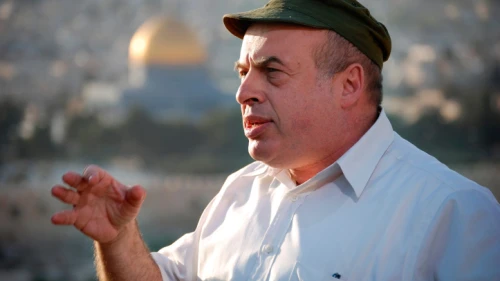
“The Kremlin feels absolutely isolated, and is looking for points of weakness,” says the former Jewish Agency chairman.

A majority of the money—some $870,000—will be used to provide for the refugees’ basic needs, including food, medicine, personal hygiene, clothing and transportation.

During a visit to Tehran by Russian President Vladimir Putin, Iran’s leader claims that the West “would have created a war anyway” had Moscow not invaded Ukraine.

U.S. Special Envoy to Monitor and Combat Antisemitism Deborah Lipstadt was in Argentina for the AMIA bombing ceremony, where attendees waved black-and-white photos of the victims.

The cargo contained tourniquets, bandages, occlusive dressings, chest seals, surgical packs, hygiene kits and diapers.