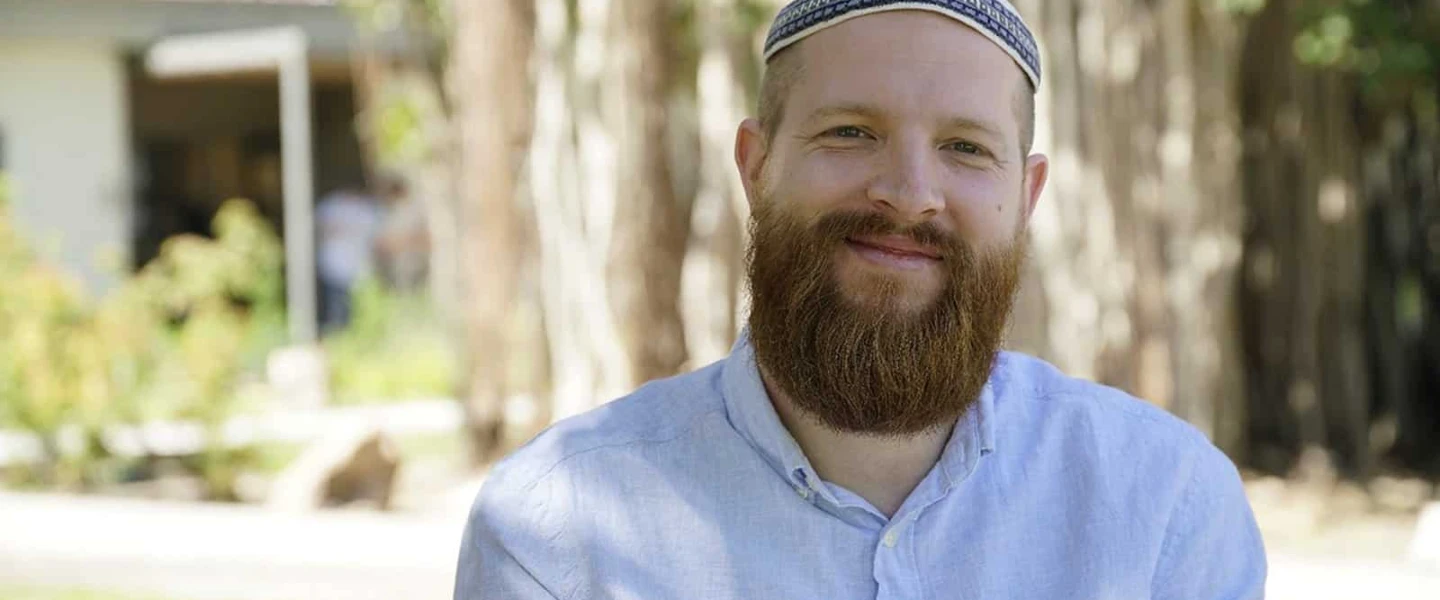
About a year after Boris Daune began publishing pro-Israel videos, he became the focus of an intimidation campaign that ultimately forced him to move house.
The 32-year-old high-tech professional, who is Jewish and runs the BobHasbara Instagram account (40,000 followers), had become the target of physical fliers accusing him of murder, with pictures of his home circulating online in anti-Israel circles.
In June, similar fliers appeared on the street of the address to which he had moved. Daune and his wife decided that Belgium was unsafe for them and their children, and so they immigrated to Israel.
Their ordeal underlines a new, hazardous reality for those who are openly pro-Israel in Europe. Defenders of Israel—and sometimes of their local Jewish communities—face doxxing, intimidation and coordinated harassment, pushing some to leave and others to prepare their departure.
The experience taught Daune a sobering lesson, he said: Israel’s defenders in Europe “shouldn’t speak up if they want to lead a comfortable life. If they want that, they need to either move, like we did, or stay silent and conceal their Jewish identity.”
Anti-Israel groups also circulated fliers of Rabbi Menachem Margolin, head of the Brussels-based European Jewish Association, and other EJA staff. The fliers, bearing portraits, accused them of “lobbying for genocide” and manipulating European lawmakers “in favor of the genocidal Zionist agenda.”
Speaking last month at the annual EJA conference in Krakow, Poland, Margolin said that “when many thousands of Jews feel safer moving to a war zone in Israel than staying in Europe, it is a failure.” EJA is now training rabbis and community leaders in self-defense.
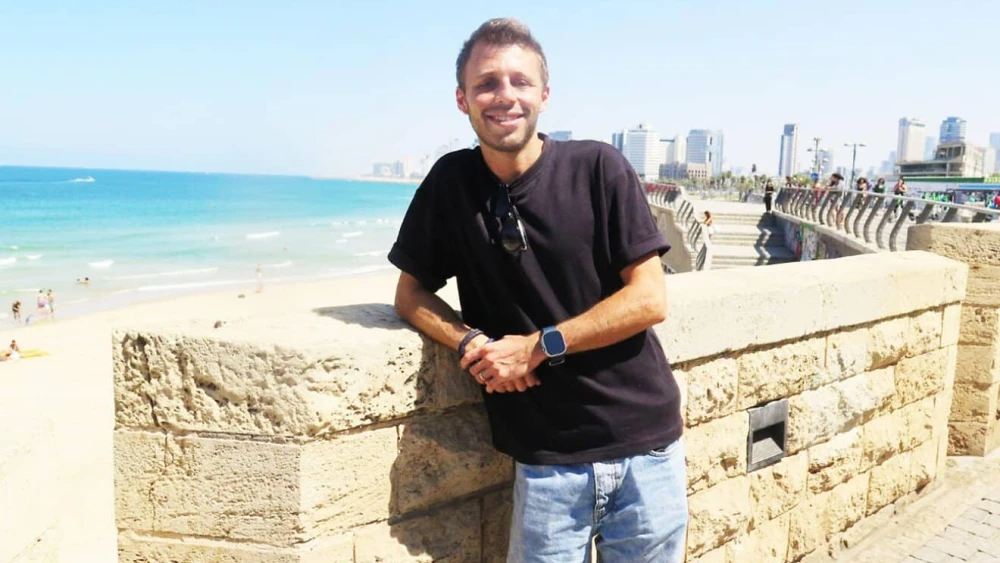
A similar reality is unfolding in the United Kingdom. Last year, it prompted one of the country’s best-known online pro-Israel advocates, Joseph Cohen, to make aliyah with his family.
Cohen, a red-haired activist in his 40s with a calm, confident manner and a deep knowledge of Jewish and Muslim scripture, became known on London’s streets for impromptu debates with Muslim passersby, which he filmed and posted online, generating hundreds of thousands of followers and millions of views.
But those encounters predated Oct. 7, 2023. Hamas’s invasion and the wave of antisemitism that followed—fueled by anger over Israel’s war with Hamas in Gaza and other terrorists and Iran—changed the landscape.
Asked whether he would return to those spots today, Cohen replied: “No, I wouldn’t. In the current climate, being a relatively high-profile Zionist Jew, going to the same place where people could predict you’re going to be would almost certainly result in extreme, potentially fatal violence.”
He and his family moved to Israel in April 2024, settling in the Jerusalem area. The timing owed partly to his frequent interactions outside the Jewish community through his advocacy work, said Cohen.
Aliyah had long been planned “when the timing was right for us and on our own terms,” he said, but Oct. 7 “changed everything,” prompting the family to leave within six months.
Cohen’s work with the Israel Advocacy Movement, which he founded, and the Campaign Against Antisemitism, which he co-founded, had taken him “outside the bubble that most British Jews live in,” whether in northern London or Manchester, he said. Meeting people hostile to Israel and Jews “day in day out, I saw what was coming,” he added.
The murder of two Jews at a synagogue in Manchester on Oct. 2 this year “was not a surprise,” he said. “It was very obvious there was going to be an incident of an extreme nature because authorities had been completely unable to effectively police antisemitism.”
Accosted on the street and subjected to repeated online death threats, Cohen said he and his wife “increasingly felt like foreigners in the U.K.” after Oct. 7, when many people “celebrated, belittled or simply didn’t care” about the massacres and hostages.
Unless there’s “a radical change with the trajectory that the U.K. is on, I don’t see there being a future for Jews in Britain,” he said. “With changing demographics, the nation’s inability to keep the Jewish community safe, it’s only going to get worse.”
In Israel, the Cohens feel “much safer,” he acknowledged, despite running to bomb shelters and witnessing terror incidents near their home. “The difference is here we know there’s an entire nation, a state, a military, a police force that will move mountains to keep our children safe,” he said. “In the U.K., you can drive through Jewish neighborhoods with a megaphone screaming you’re going to abuse our daughters and our mothers in the most violent ways and you won’t go to jail.”
Young Jews in the United Kingdom, he said, “have to do everything they can to fight for our people, to be a voice for Israel. But long term, I’m not optimistic.”
Back in London, investigative journalist David Collier remains on the ground. Earlier this year, he exposed the BBC’s reliance on a Hamas-affiliated official and his family for a now-discredited documentary on Gaza, one of several scoops that have made him a leading pro-Israel figure in the United Kingdom. But he, too, is preparing to make aliyah within a few years, he told JNS.
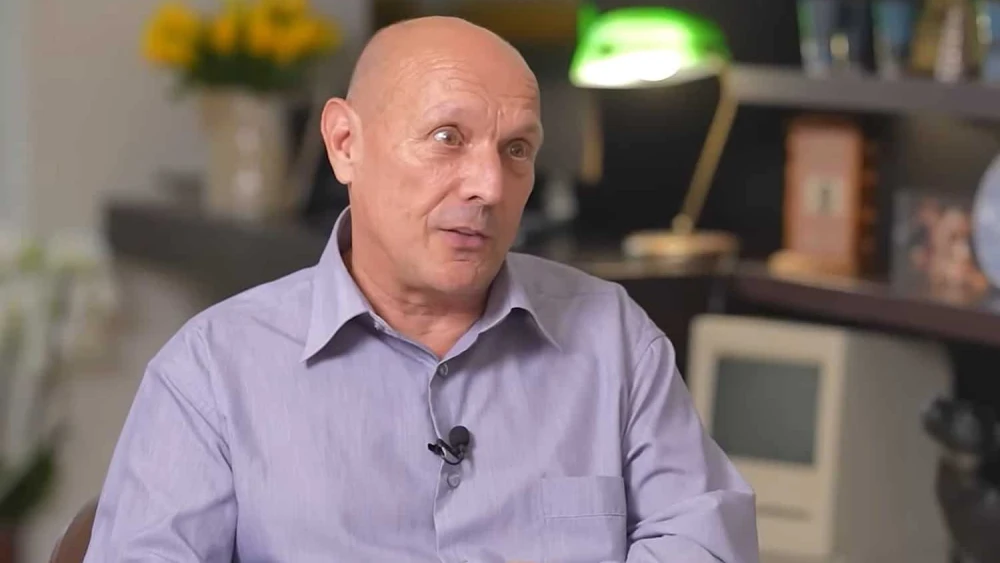
In May, while he was in Israel, unidentified individuals poured a chemical—perhaps paint thinner or acid—on his parked car. It was a rare act of vandalism; most threats he has received have been online.
But that is not why he decided to leave.
Many British Jews who vocally support Israel, he said, “would lose their jobs, their friends, face attacks. All of the things that basically don’t matter too much to me. Like most of the people who are fighting this fight, I have very little to lose.”
What concerns him is the future. “I’m looking at a generation from now. The Jewish community as we know it in the United Kingdom won’t exist,” he said, predicting either immigration or assimilation.
Despite this, Collier urges British Jews to speak up. “This isn’t 1930s Germany. There is a battle taking place in the West—a battle of civilizations. Jews are not alone. But it is a question of coming out: the more people that come out, the stronger it gets.”
Back in Israel, Daune said that his initial concerns about moving “evaporated.” Life isn’t always easy, he said, but “there’s a sense of solidarity.”
Looking back, he added, “I ask myself: ‘Damn, why did I spend two years, since Oct. 7, 2023, surrounded by people who hate me?’”