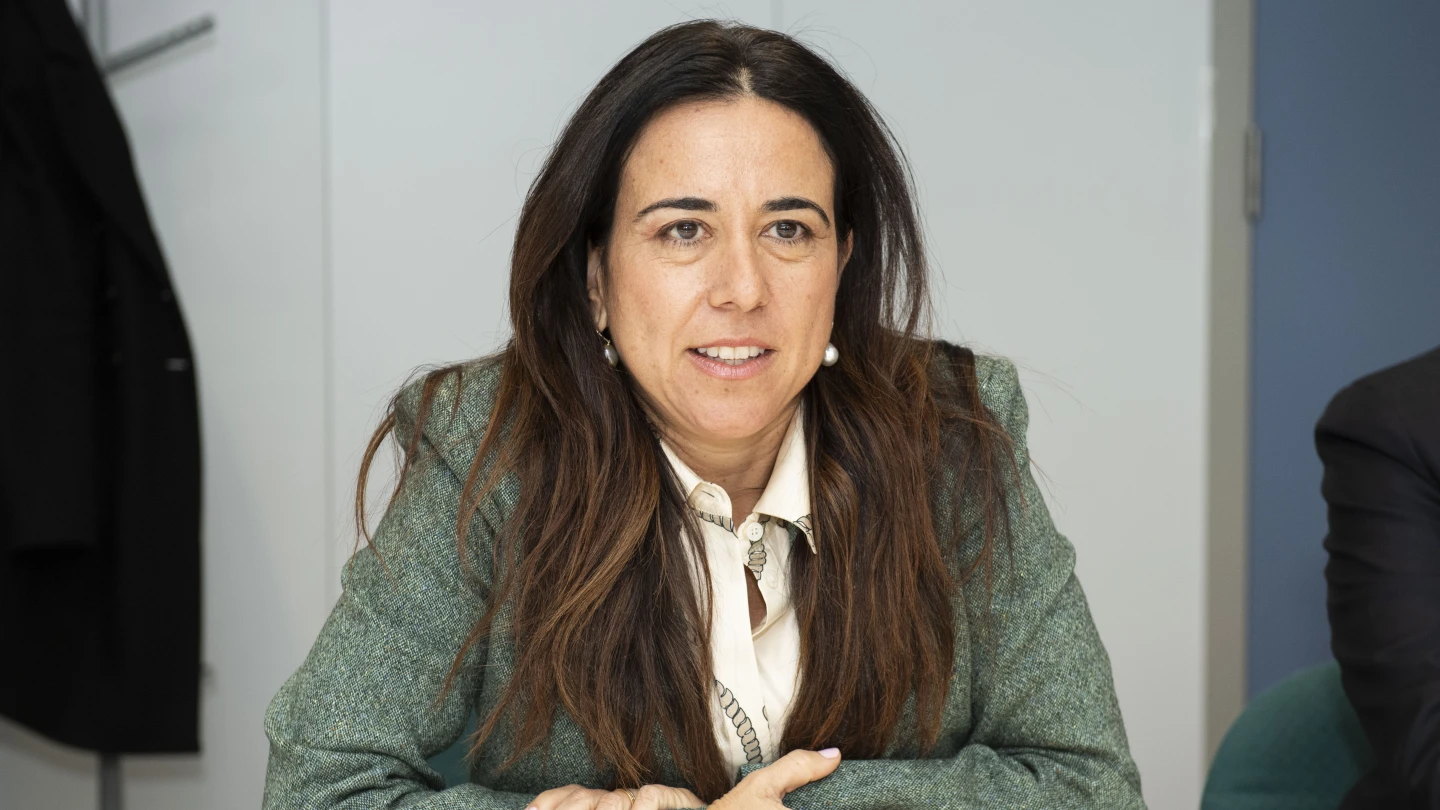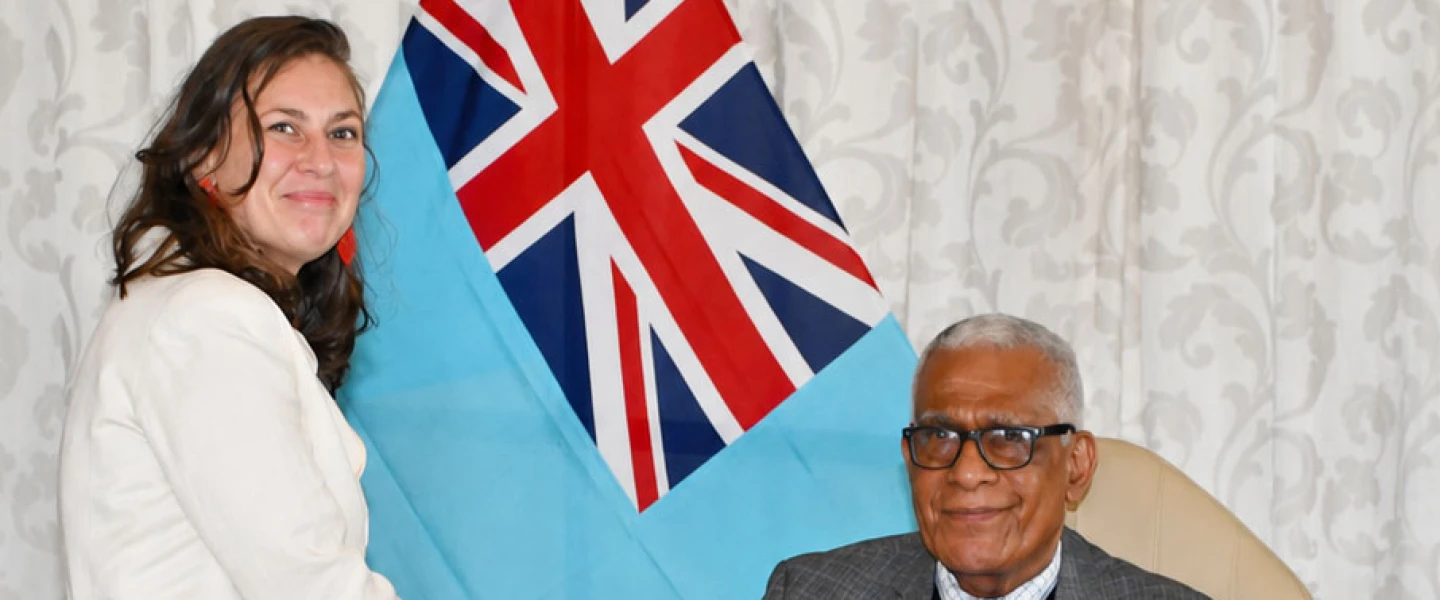
The reopening of Israel’s embassy in Fiji reflects a strategic decision by Jerusalem to prioritize ties with friendly nations and invest in those relationships, Ambassador to Fiji Maya Yaron told JNS on Sunday.
The embassy was originally opened in 1995 and operated for about seven years before closing during the Oslo Accords era, when Israel shifted diplomatic resources toward expanding its presence in the Middle East. It was re-inaugurated on June 1, with many staff members already in place.
Although Fiji has fewer than one million people, it occupies a strategically important position in the Pacific and serves as a regional hub for many island nations.
Yaron, who has spent more than two decades representing Israel abroad—including postings in Dakar, Senegal; Beijing, China; and at the United Nations in Geneva—recently completed a three-year term as Israel’s representative to Taiwan.
“This is a true decision and a choice I have made to go and have the unique experience of opening a new embassy. I’m learning every day how complicated and challenging it is to open one of the farthest embassies from Israel,” Yaron said.
“We have very strict security regulations we need to abide by, recruiting the staff, finding the location. I’m tackling this challenge with a lot of energy and interest. We have a lot of uncharted territories to explore and see how we can strengthen relationships. I’m very honored to do this and be the first woman resident ambassador,” she added.
Yaron’s jurisdiction includes 10 Pacific island nations, including Papua New Guinea and the Republic of Nauru. Those countries play an important role in ocean and climate issues and have significance for Israel in international forums, particularly at the U.N., she noted.
“It is very important for Israel to be looking for friendly countries that support us, understand us and can also share their opinion with other countries, helping us to be more understood and accepted in the international community,” she said.
Economic and strategic cooperation
Israel hopes to deepen economic ties across the region, and Yaron plans to meet with regional financial institutions to explore existing infrastructure and investment opportunities. She said she has already encountered interest from countries drawn to Israel’s innovation-driven economy.
“We have a lot that we can share. We are very strong in agriculture and on health issues. This is what Fiji and other Pacific island countries need,” she told JNS. “I will work on having B2B meetings and more Israeli companies involved. Regarding security, there are some needs Fiji officials already mentioned and we will find the areas of mutual interest that we can cooperate on.”
Yaron said Israel is exploring trilateral cooperation with countries that share common interests and values.
“I can probably already mention the U.S. This is our biggest strategic ally. They are very active in the Pacific and I will definitely reach out to see what we can do together,” she said. “I think there are projects we can collaborate on together, whether it relates to health, agriculture, resilience or community-building.”
Tourism and people-to-people ties
Although Fiji has no permanent Jewish community, Yaron said she hopes the reopening of the embassy will help encourage more Israeli tourism to the island nation.
“As I share with Israeli people that Fiji is a very safe place, a beautiful paradise where they are very welcome and will be received with open arms by the locals, then we should start to see more and more travelers,” she said.
Yaron said kosher products can already be imported from Australia and New Zealand.