Newsletter
Newsletter Support JNS

Israel-Lebanon maritime border talks stall

Israeli Energy Minister Yuval Steinitz says the Lebanese government has “changed its mind seven times”; Lebanese President Michel Aoun calls the claims “baseless.”

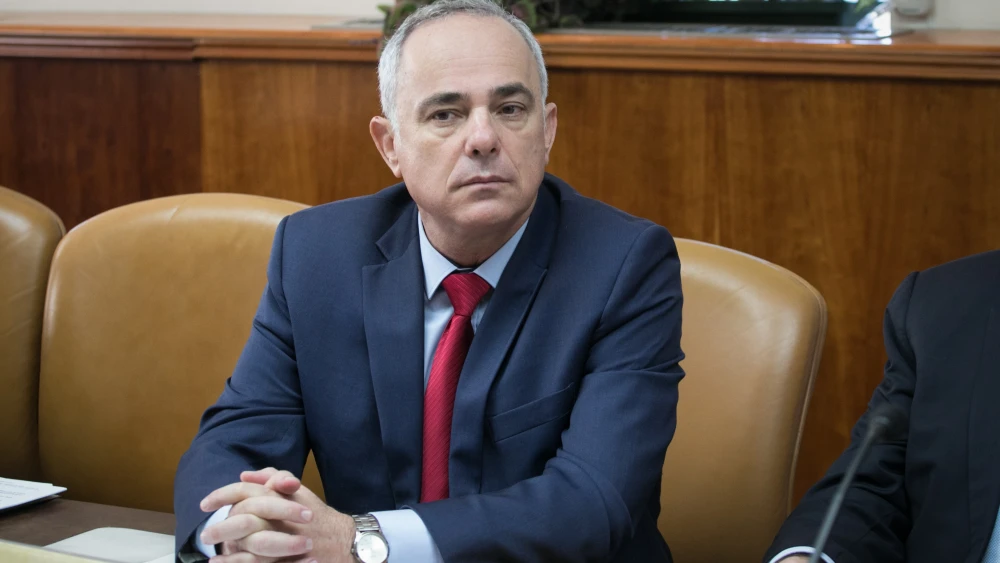
Israeli Energy Minister Yuval Steinitz at the weekly Cabinet meeting at the Prime Minister's Office in Jerusalem on Oct. 29, 2017. Photo by Ohad Zwigenberg/POOL.
Israeli Energy Minister Yuval Steinitz at the weekly Cabinet meeting at the Prime Minister’s Office in Jerusalem on Oct. 29, 2017. Photo by Ohad Zwigenberg/POOL.

Israeli Energy Minister Yuval Steinitz and Lebanese President Michel Aoun traded barbs Sunday after the U.S.-mediated negotiations between the two countries on their disputed maritime border stalled.

Steinitz said that the Lebanese government has “changed its mind seven times” with regard to its position on the origins of the prospective border.

“Its current position contradicts not only its previous stance but also Syria’s position on the matter,” he said, warning that Lebanon’s inflexibility would spell the end of the negotiations.

Aoun later called Steinitz’s claims “baseless,” saying that “Lebanon’s position on the matter stands.”

This article first appeared in Israel Hayom.


“We must not return to the Oct. 6 situation where the enemy is on our fences,” the finance minister said.

“This is, thank God, the seventh time they have unsuccessfully tried to eliminate me,” said Israel’s national security minister.
Their arrival, along with another Marine unit of similar size on its way from San Diego, will bolster the 50,000 U.S. troops already in the region.
The move follows months of rallies in the area; Jewish groups praise police directive while critics call it long overdue.
More than 50 targets were hit in an overnight wave of IAF strikes.
Dispatchers at Magen David Adom’s fortified national operations center in Ramla juggle routine calls alongside red alerts during the war with Iran.