
Newsletter
Newsletter Support JNS

Hezbollah hints at attacks on Israeli passenger aircraft

In a video circulated on the anniversary of former commander Imad Mughniyeh’s death, the Lebanese terror organization sends a message of revenge, with images of El Al planes and Ben-Gurion Airport.

Imad Mughniyeh
Imad Mughniyeh

In a video circulated on social media to mark the anniversary of the death of former Hezbollah military commander Imad Mughniyeh, the terrorist organization appears to be threatening to attack Israeli passenger flights and popular tourist destinations in Israel.

Mughniyeh was assassinated in Damascus in 2008, in an operation that Hezbollah has attributed to the Mossad and the CIA.

Images in the video include El Al planes, as well as pictures of Ben-Gurion International Airport, passports, and the arrivals and departures board at Ben-Gurion.

Hezbollah has not been officially confirmed as the entity that compiled the video, which was published by Mughniyeh’s sister, Zeinab.

The general message of the video is one of revenge for airstrikes on weapons stockpiles belonging to Hezbollah and Iran in Syria and Lebanon, attributed to Israel.

Hezbollah has been busy on social media in general. On Tuesday, the organization launched a campaign targeting senior Israeli politicians and other public figures via the WhatsApp and Telegram instant-messaging applications.

One of the messages includes a photo of Mughniyeh, with the caption: “Revenge is inevitable, and the goal is clear, specific and precise—removing Israel from existence.”

The messages were primarily Hezbollah propaganda, and the unusual initiative appears designed to coincide with Israeli election season.

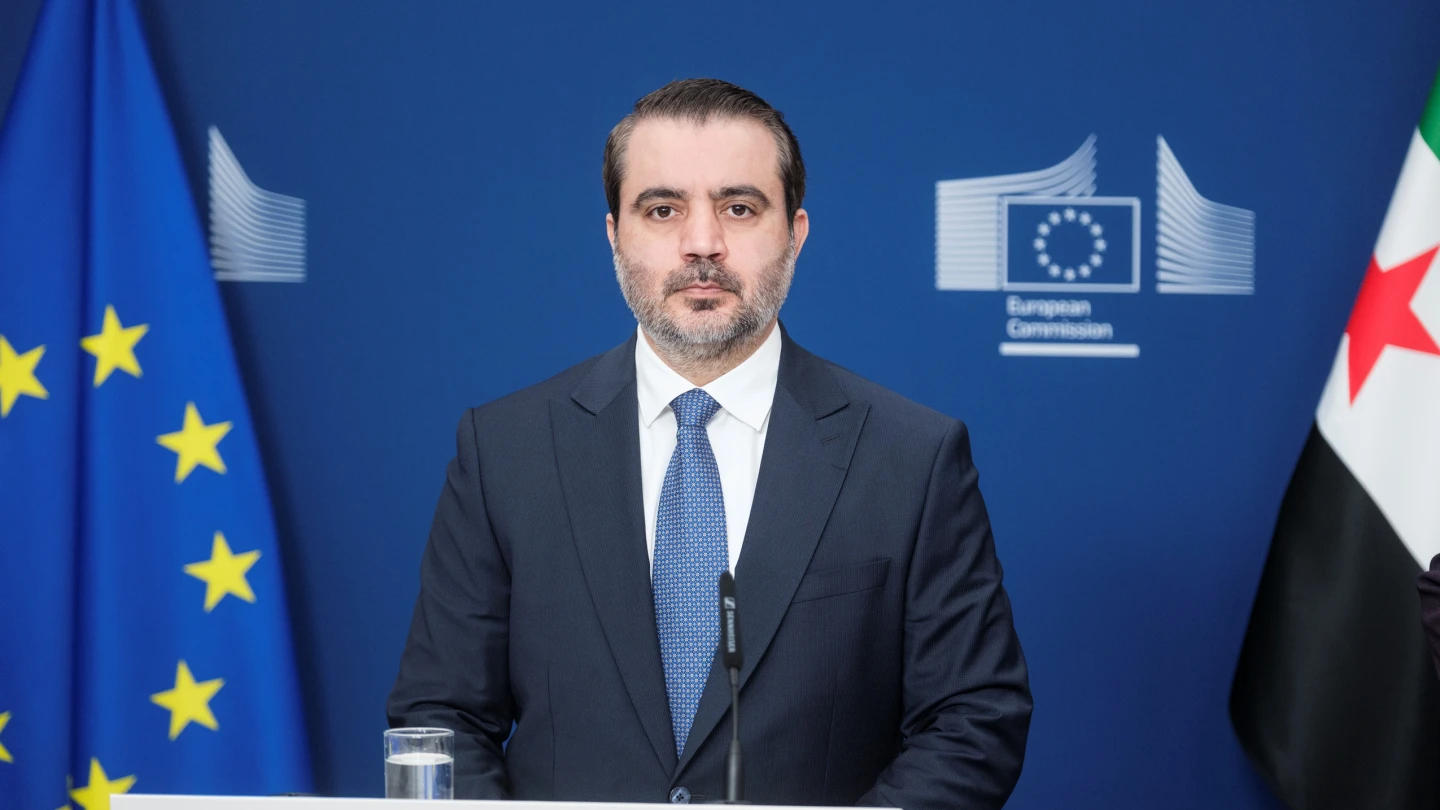
Abdulkadir Al-Jelani, 58, is due in court on July 1 and faces charges of making the threats and three counts of assault with a weapon.
The designations include Hezbollah-linked institutions that “threaten regional stability, international security, mutual interests and global trade,” the U.S. Treasury Department stated.
Gerard Filitti, of the Lawfare Project, told JNS that “lax immigration policy” has always been the main driver of importing “terrorist ideology” into the United States.
“The teachers we have, we don’t respect and support in the way that they deserve,” Paul Bernstein told JNS. “If we’re successful and we grow enrollment, that problem only gets bigger.”
“The message being sent is that you can get away with attacking someone in broad daylight because you disagree with their opinions, especially if it involves feelings about Israel,” Joshua Burt, of the Anti-Defamation League, told JNS.
“Not identifying Hamas as a terrorist organization is, I think, a failure, Marc Miller told the Canadian Press. “And not clearly stating that, for example, Hamas intended to kill Jews is, I think, an unfortunate error in curation and should be rectified.”