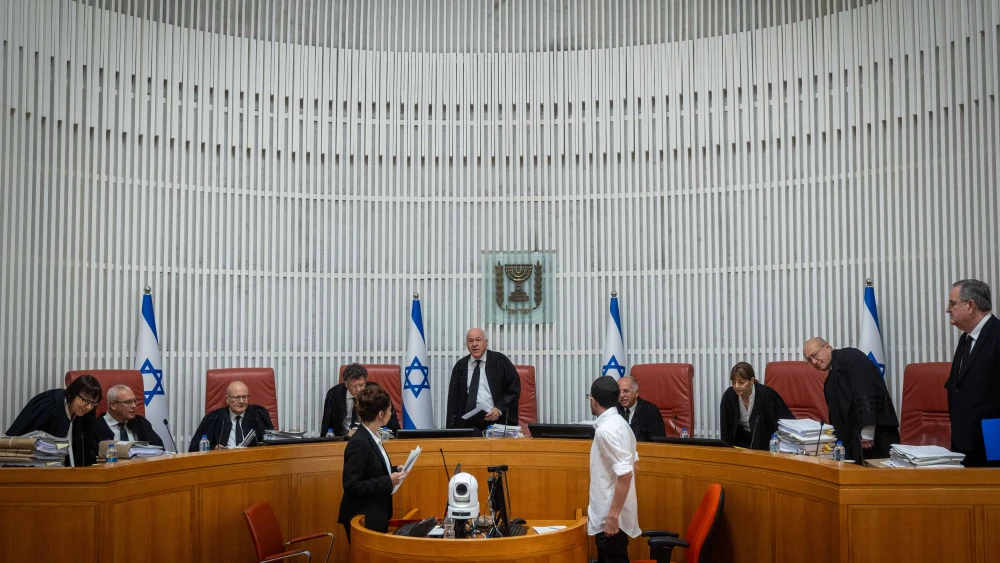
Israel’s High Court of Justice unanimously ruled on Sunday that the state is not required to release for burial the bodies of terrorists who are Israeli citizens.
This decision aligns with the state’s stance that these remains could be used in potential negotiations for the return of Israeli hostages and fallen soldiers currently held by Hamas in Gaza.
The ruling came after six petitions from the terrorists’ families, who argued that withholding the bodies violated the law and harmed the dignity of the dead and their relatives.
The state countered that ongoing negotiations are sensitive and dynamic, making the retention of these bodies a potential necessity for future exchanges.
Justice David Mintz emphasized that intervention in security-related government decisions is extremely limited.
He noted that military commanders have the authority under a 1945 regulation to withhold the release of such bodies and that the policy is temporary and reviewed periodically by the cabinet. Given the current security situation and the nature of the ongoing negotiations with Hamas, the court found no grounds to intervene.