Newsletter
Newsletter Support JNS

Israeli troops find weapons in UNRWA aid sacks

Over 100 mortar shells, as well as rockets and other arms, were found hidden in UNRWA-marked humanitarian aid sacks during operations in southern Gaza, according to the IDF.

UNRWA Aid, Gaza
Mortar shells and other munitions sit alongside the UNRWA-marked aid bags they were found in by Israeli forces in the southern Gaza Strip. Credit: IDF.

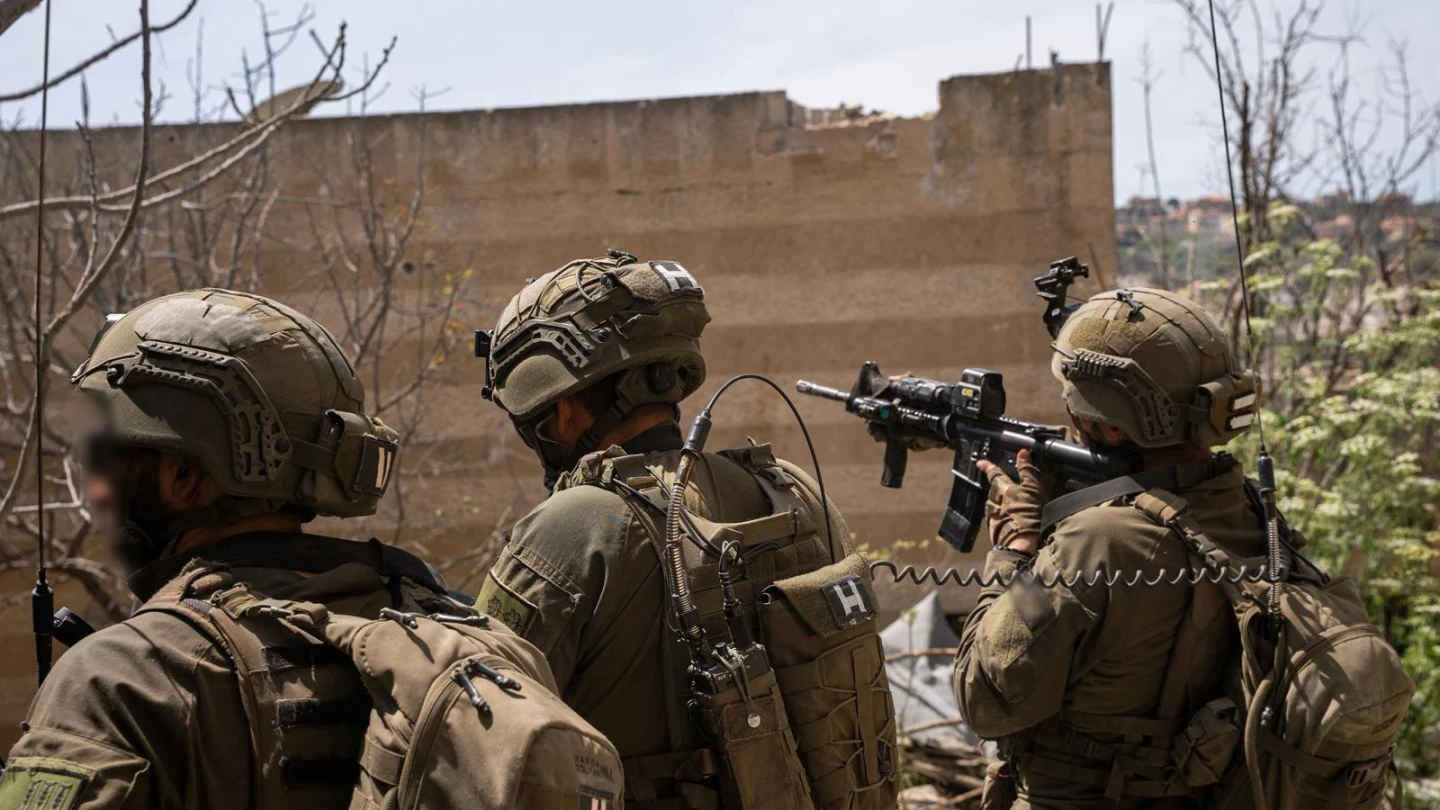
Israeli troops operating in the southern Gaza Strip recently found over 100 mortar shells, several rockets and other weapons hidden inside blankets and sacks marked as UNRWA humanitarian aid, the Israeli military said on Tuesday.

The munitions were discovered by forces from the 7th Brigade under the Gaza Division while clearing areas east of the so‑called Yellow Line of underground and surface‑level terrorist infrastructure, according to the military.

Israel’s Foreign Ministry on Tuesday accused UNRWA of aiding Hamas after the IDF found the aid sacks with weapons. “Weapons don’t end up in humanitarian aid bags by accident,” the ministry said in a post on X, adding that the agency “owes an explanation for their support for terror.”

IDF forces operating in the northern Gaza Strip on Monday eliminated four terrorists adjacent to the Yellow Line. The terrorists had approached the troops, posing an imminent threat to them, according to the military.

“IDF troops in the Southern Command remain deployed in accordance with the ceasefire agreement and will continue to operate to remove any immediate threat,” the IDF said.

See more from JNS Staff
“What started a little more than 30 years ago as basic relations of seller and buyer has evolved dramatically to the highest level,” said former Israeli Ambassador to India Ron Malka.
Alan Meltzer praised the Jewish-non-Jewish collaboration behind Stuttgart’s “Anti-Anti 2.0” initiative and held talks with leaders in Baden-Württemberg.
The U.S. secretary of state will travel to the UAE, Kuwait and Bahrain to discuss regional priorities, including the U.S. agreement with Tehran and efforts to secure the Strait of Hormuz.
“It cannot be overstated that ISIS continues to pose a threat to U.S. interests, both domestically and abroad,” said Reid Davis, the FBI Special Agent in Charge in North Carolina.
“He was a giant of a man who helped shape the U.S. economy for decades under presidents of both parties but was always honest in acknowledging his mistakes,” his widow Andrea Mitchell told NBC.
Rapid, tech-driven strikes killed Tehran’s top commanders in seconds and secured air superiority in hours, the Rafael chair and former minister said.
Benny Gantz, JNS editor-in-chief Jonathan S. Tobin, Gilad Erdan, Mosab Hassan Yousef, Nissim Black and leading voices in security, diplomacy, media, law and Jewish communal affairs headline the summit’s third day in Jerusalem.