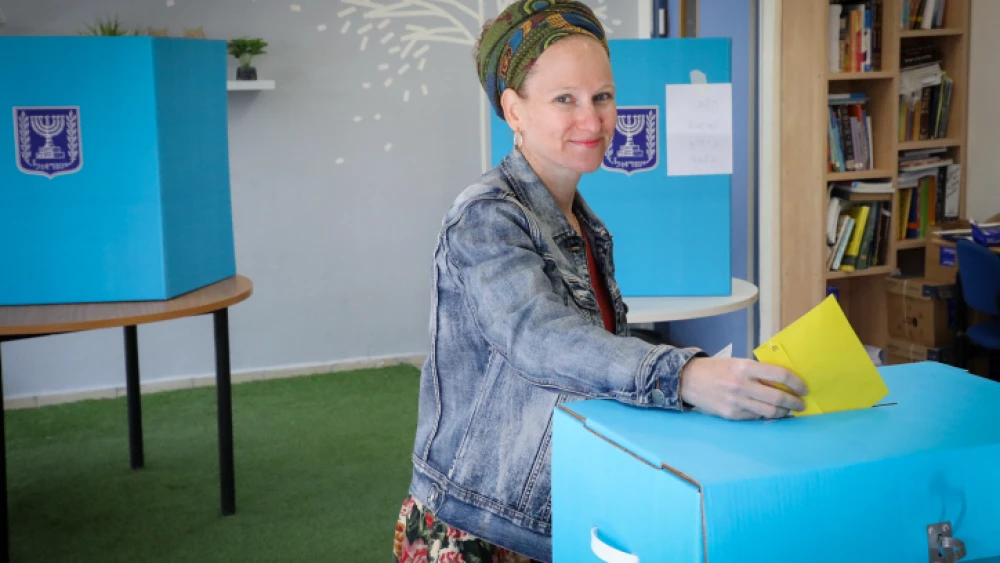
Israelis headed to the polls on Tuesday to vote in municipal elections, with 863 candidates vying for mayoral positions and 3,400 people campaigning to be elected heads of regional councils.
Voting booths opened at 7 a.m. for a record 6,653,808 eligible voters to cast ballots.
Communities with fewer than 350 residents will be able to vote until 8 p.m., with all other ballot boxes open until 10 p.m.—11,000 ballot boxes in total at 4,000 polling stations across the country, guarded by 16,000 police officers, as well as Border Police, and run by thousands of volunteers.
In a bid to raise municipal voting rates from the traditional 50 percent, Israel’s Interior Ministry closed schools and public facilities for the first time since 1986 in an effort to encourage a higher turnout.
Voting will also take place at 27 prisons and jails. Voting at Israel Defense Forces’ bases began Saturday night and will end on Wednesday, allowing more time for soldiers who are engaged in field missions.
Four Druze municipalities were set to hold elections in the Golan Heights for the first time, but candidates in two of them received threats from Arab sources, causing all the candidates to drop out.
Seventeen Israeli municipalities have just one candidate running for mayor, including Modi’in-Maccabin-Re’ut, Rehovot, Mevaseret Zion, Givatayim, Ma’ale Adumim and Nazareth Illit.
Even in those elections, voters will be able to cast a vote for or against the single candidate. If the candidate receives more votes against than for, the elected city council members will choose the town’s mayor.